MH17 Tragedy Sparks New Legal Fight at The Hague
The Hague: The downing of Malaysia Airlines Flight MH17 over eastern Ukraine in 2014, which claimed the lives of all 298 passengers and crew, remains a complicated and contentious issue on the global stage. Nearly eleven years after the Boeing 777 was struck midair by a missile, Russia has moved the dispute to the International Court of Justice (ICJ), challenging a ruling by the International Civil Aviation Organization (ICAO) that found it responsible.
Russia filed an appeal against Australia and the Netherlands at the ICJ on 18 September 2025. The appeal contests the decision of the ICAO Council made on 30 June 2025, which held Russia accountable for violating its obligations under the 1944 Chicago Convention by allowing the missile strike on a civilian aircraft.
According to the Russian application, the ICAO Council’s decision is flawed both in fact and law. Moscow argues that Article 89 of the Chicago Convention excludes situations of armed conflict from its scope, and thus the Council lacks jurisdiction under Article 84 to adjudicate the dispute. Further, Russia claims Article 3 bis, which prohibits weapons use against civil aircraft, applies only to cases of interception of aircraft violating sovereign airspace—conditions not met in the MH17 incident.
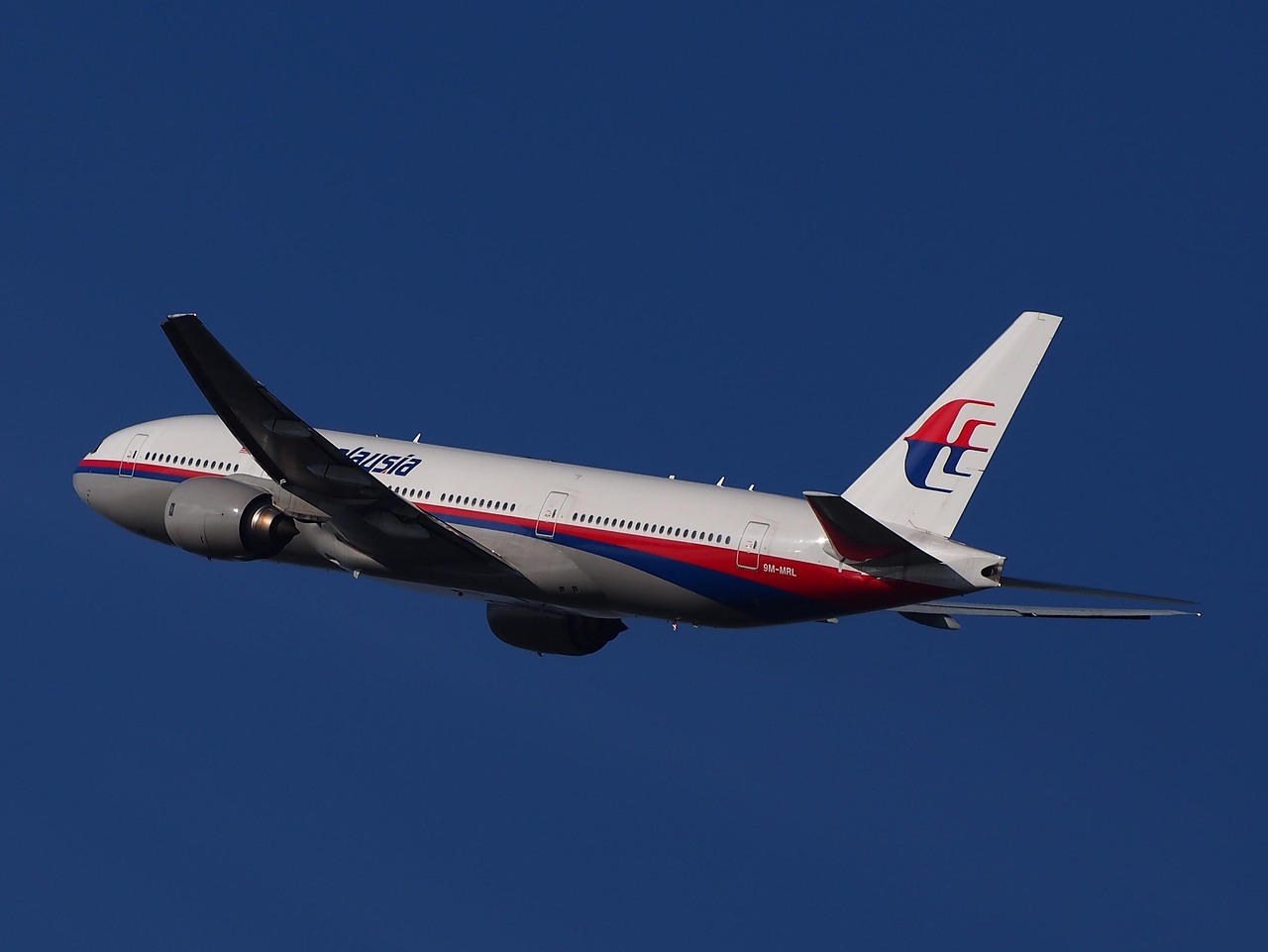
The MH17 tragedy unfolded on 17 July 2014, when the Malaysia Airlines flight en route from Amsterdam to Kuala Lumpur was downed over conflict-ridden eastern Ukraine. The aircraft was hit by a Russian-made Buk missile launched from territory controlled by separatist forces. The incident killed all 298 onboard, making it one of the deadliest commercial aviation disasters.
Australia and the Netherlands, whose nationals comprised the majority of the victims, jointly brought the matter to the ICAO Council in March 2022 under the Chicago Convention’s dispute settlement framework. On 30 June 2025, the ICAO Council ruled that Russia breached its obligations under international civil aviation law.
Russia has strongly rejected these findings, citing what it calls “biased” and “incomplete” investigations, as well as the lack of an impartial procedural process. The ongoing ICJ proceedings will examine these claims and the legal applicability of civil aviation conventions in the context of armed conflict.
This case adds another layer to the complex international legal and diplomatic dispute surrounding MH17, which has seen multiple investigations, national and international court cases, and significant geopolitical tension.
– global bihari bureau