 By Rathin Das*
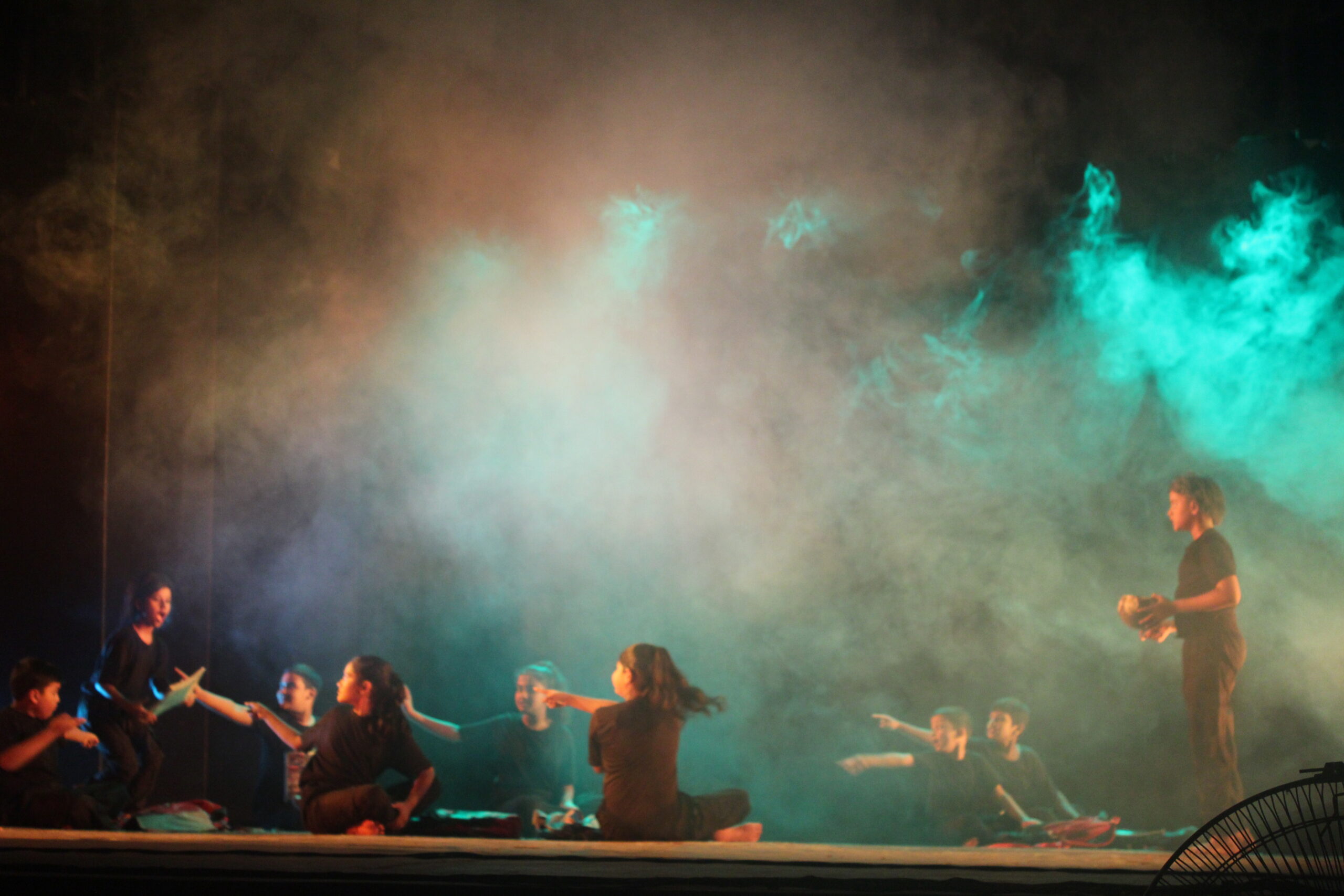
Jalpaiguri: A three-day mime festival in this small town recently provided much more than just entertainment and beautiful performances by youngsters.
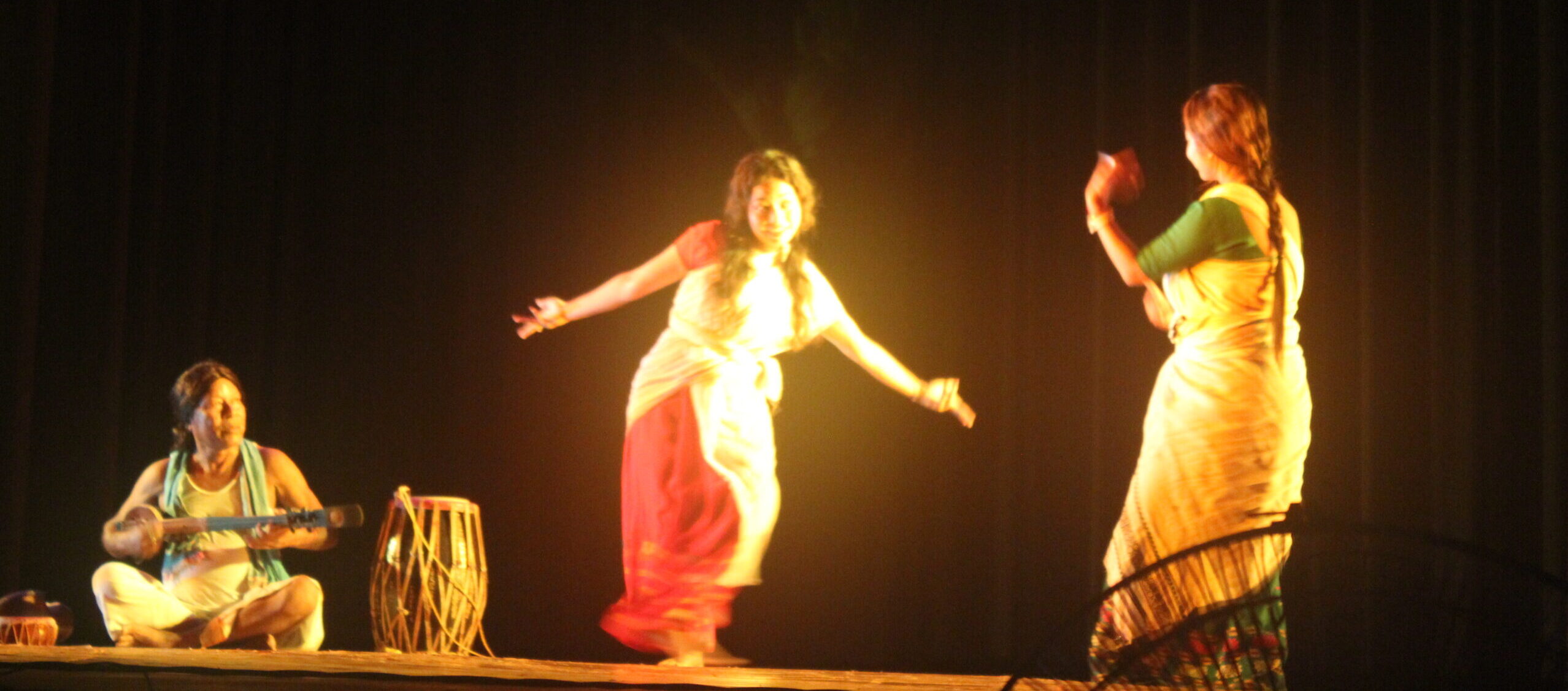
The 7th National Mime Theatre Festival, organised here by Jalpaiguri Sristi Mime Theatre from August 8 to 10, 2025, was not only a treat for the eyes, but the visitors also left with a composite knowledge of much more than the art of silent body gestures.
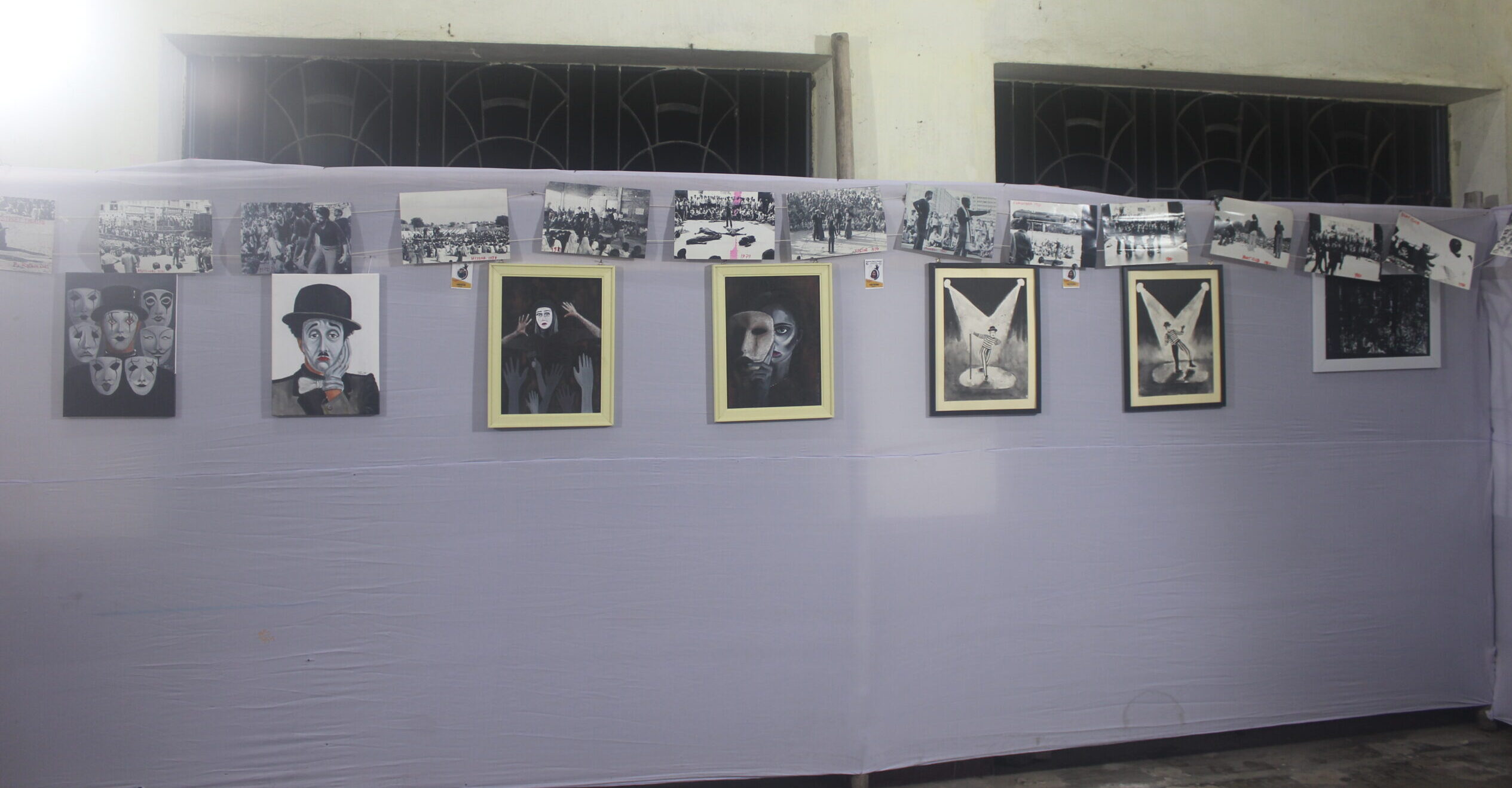
The three-day festival was accompanied by an exhibition of paintings on mime by the local Wings Artist Group and a display of photographs of Delhi-based Jana Natya Manch’s street theatres all over the country nearly half a century back.
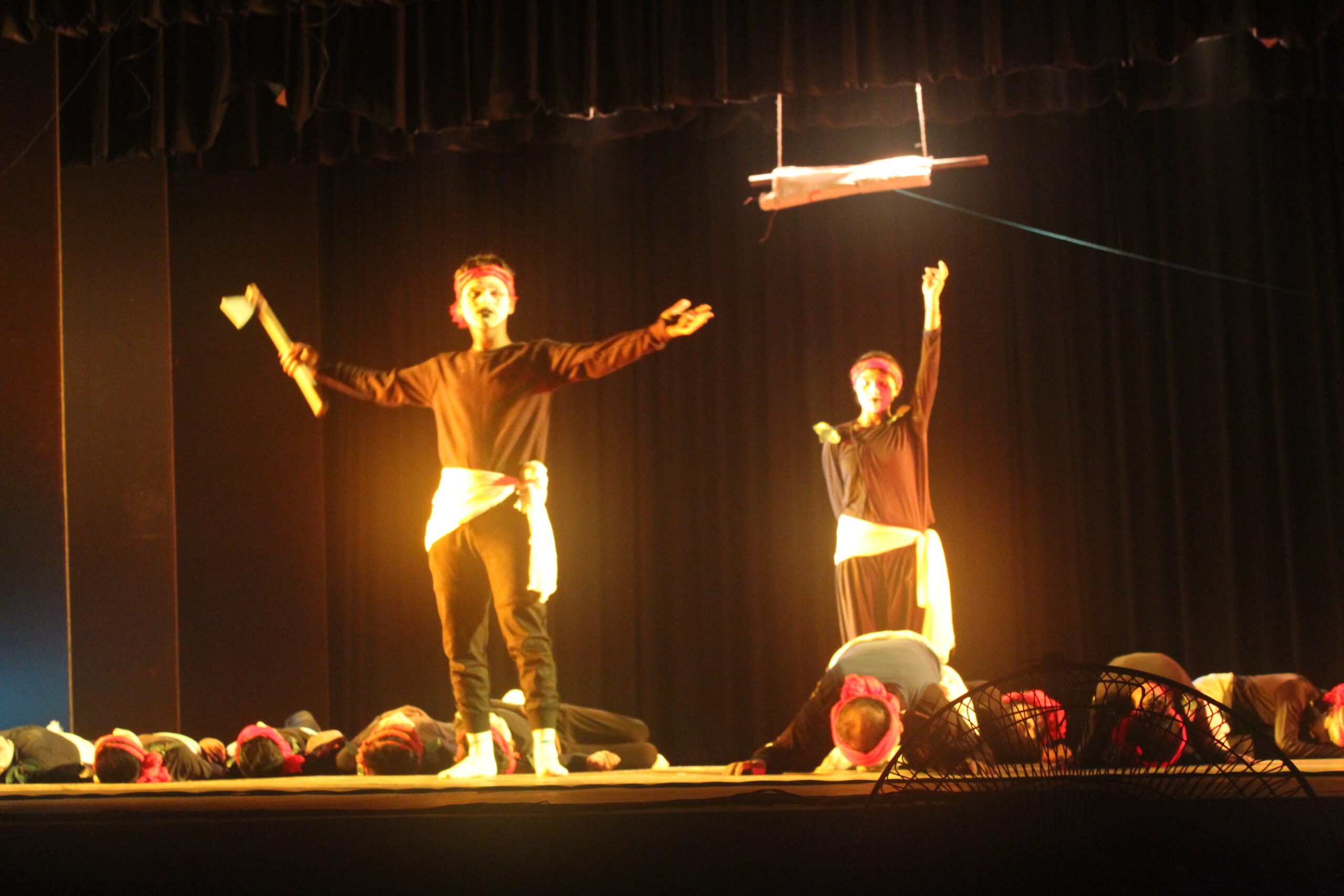
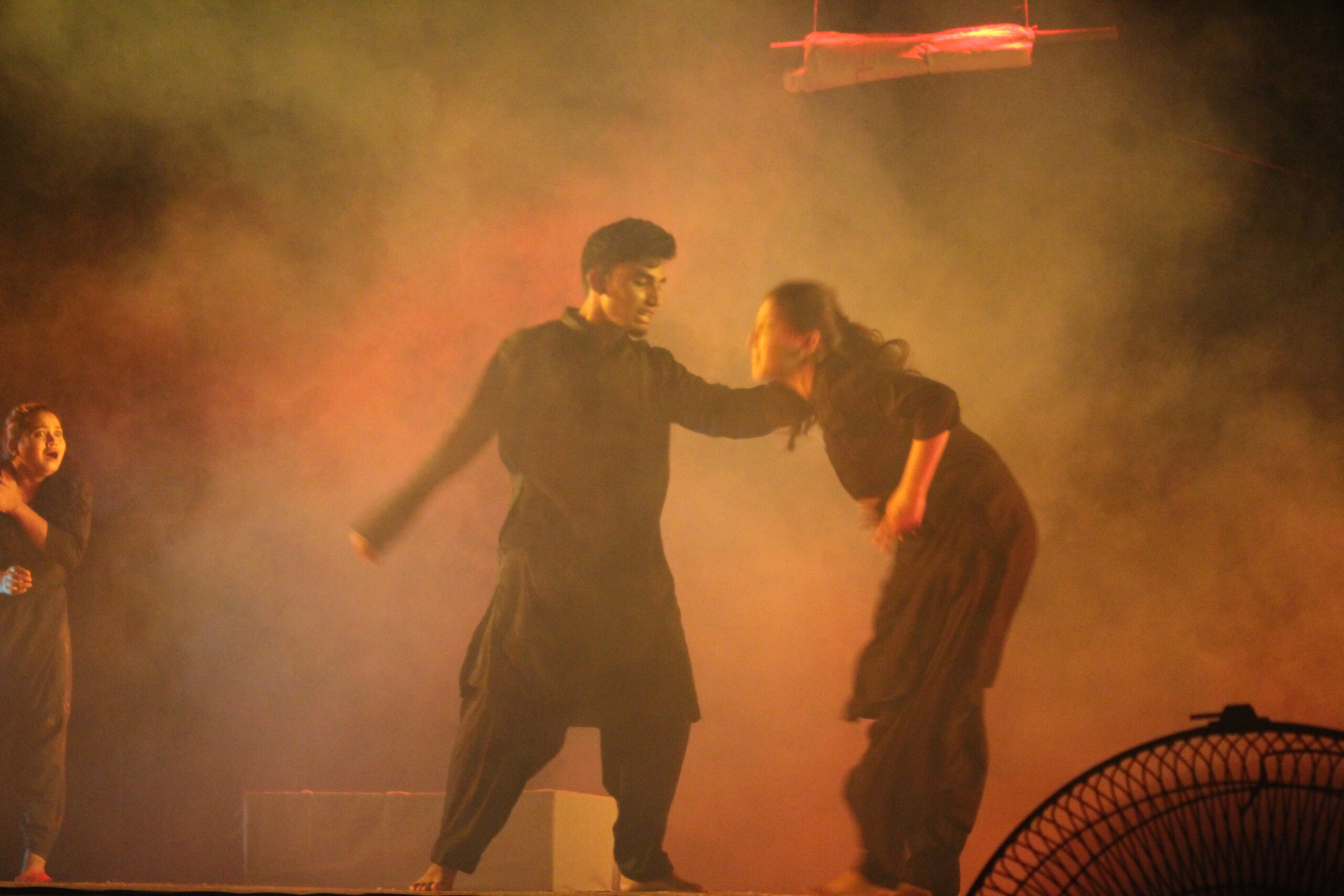
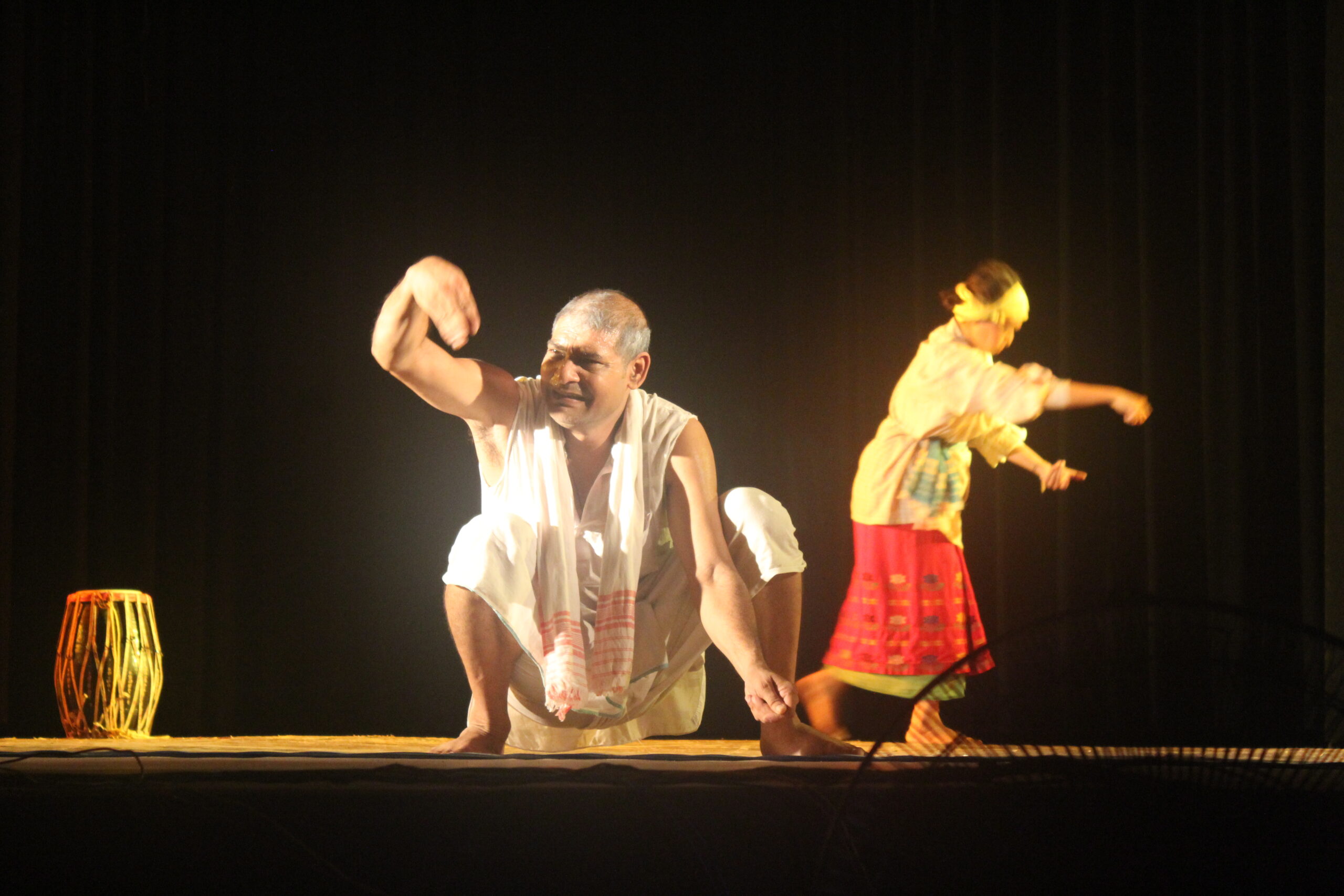
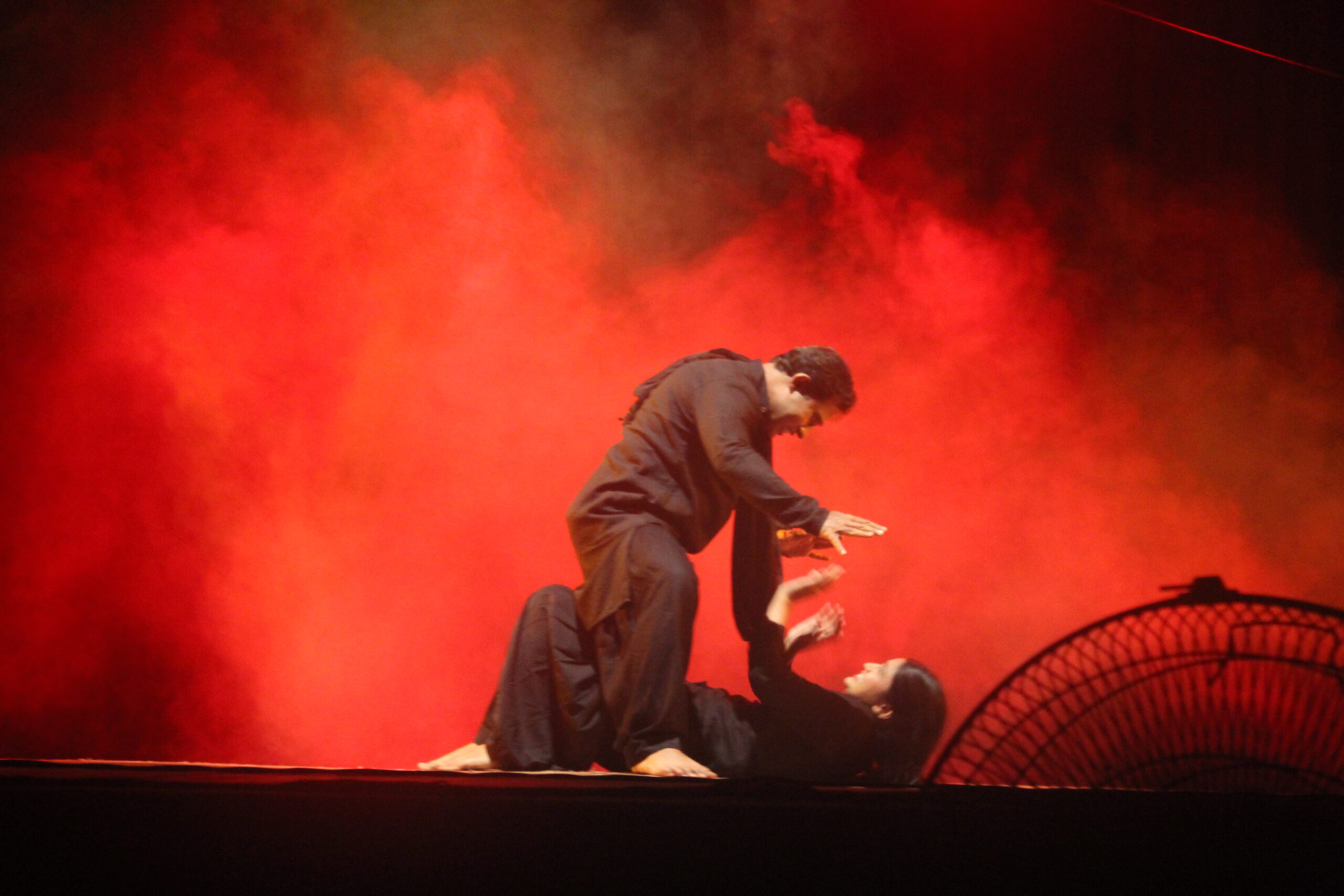
Deforestation caused by the human invention called axe, sordid communal riots of the partition era as seen through the eyes (rather pen) of legendary Sadat Hasan Manto (1912–1948), realities of rural life in Assam, distractions of digital life and many more stories came alive through mime — a silent form of art but eloquent enough to drive home the point.
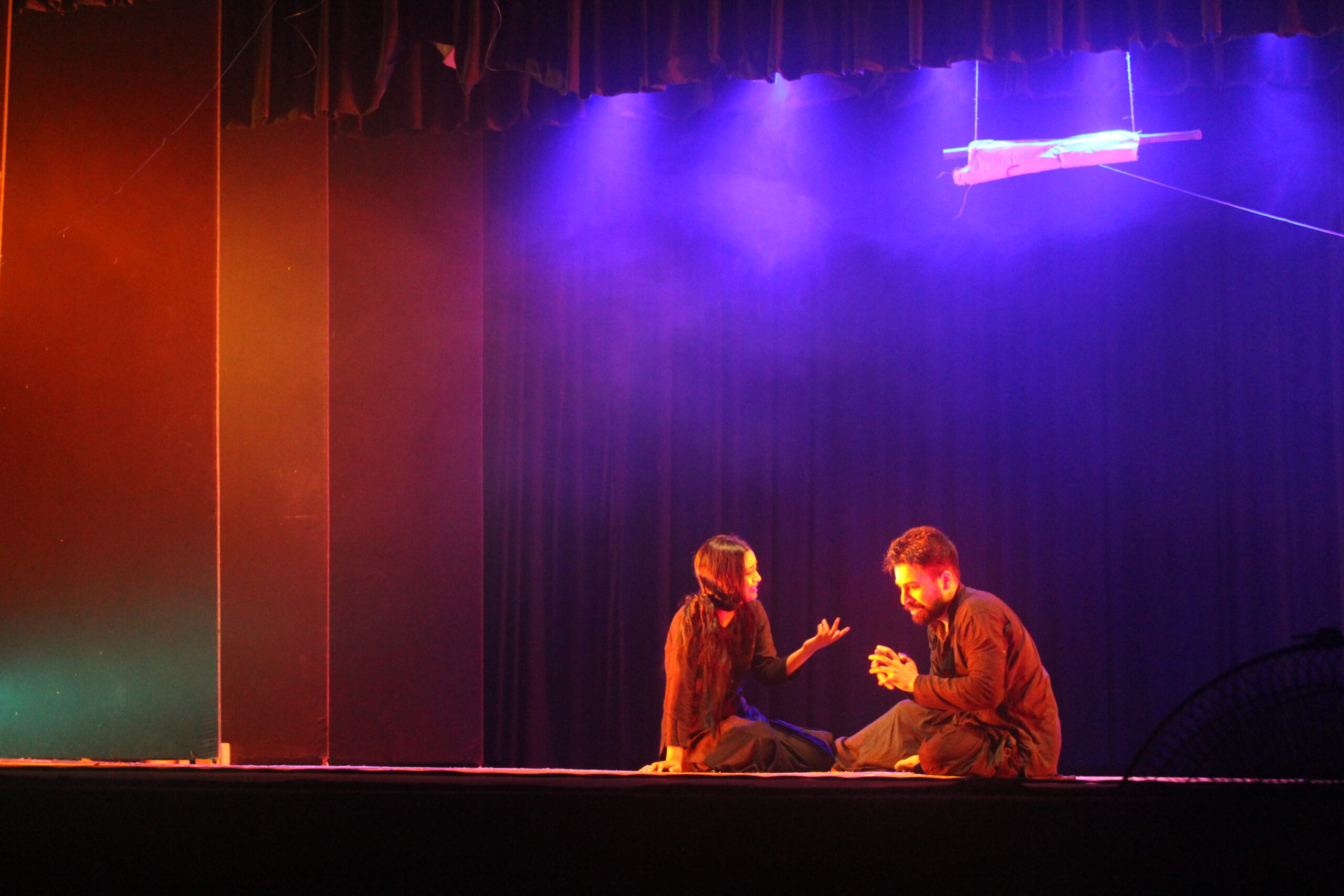
That modern-day mime is not just silent gestures featuring or making caricatures of different types of people was aptly proved by the powerful depiction of themes as varied as the partition period communal violence scripted by Sadat Hasan Manto and indiscriminate felling of trees leading to environmental crisis.
Not just the various themes of the silent plays, new information on the Indian way of life also trickled in during the question-answer session following the talk on street theatre by one of the founding members of Delhi’s Jana Natya Manch. The host group’s leader, Sabyasachi Dutta, narrated their negative experience in a village in Bankura district of West Bengal, where they had staged a play to spread awareness against the prevailing dowry system. Village elders told them that any declaration there about not accepting dowry would be misinterpreted as the ‘suitable boy’ having some ‘defect’ — physical or mental. The theatre activists were asked to quickly leave the village before their ‘anti-dowry’ campaign spread in the area.
After the mime festival, the host’s decision to take its mentor, Padmashree Niranjan Goswami, on a short trip through the tea gardens of Dooars brought in lessons of a different nature for the visitors.

While the lush green tea gardens provided nice photo opportunities, a casual talk with the women plucking “two leaves and a bud” revealed their plight as the owners pay little attention to workers’ welfare needs.
At a time when an emperor without clothes remains shameless, little children bathing naked in a rivulet can display some sense of dignity. The visitors stumbled upon such a lesson as naked young boys instantly dipped the lower portions of their bodies under water the moment a camera lens focused on them.

But the greatest by-product of the three-day mime festival was nature’s wonder the visitors encountered as they drove uphill towards the homestay in Kalimpong district.
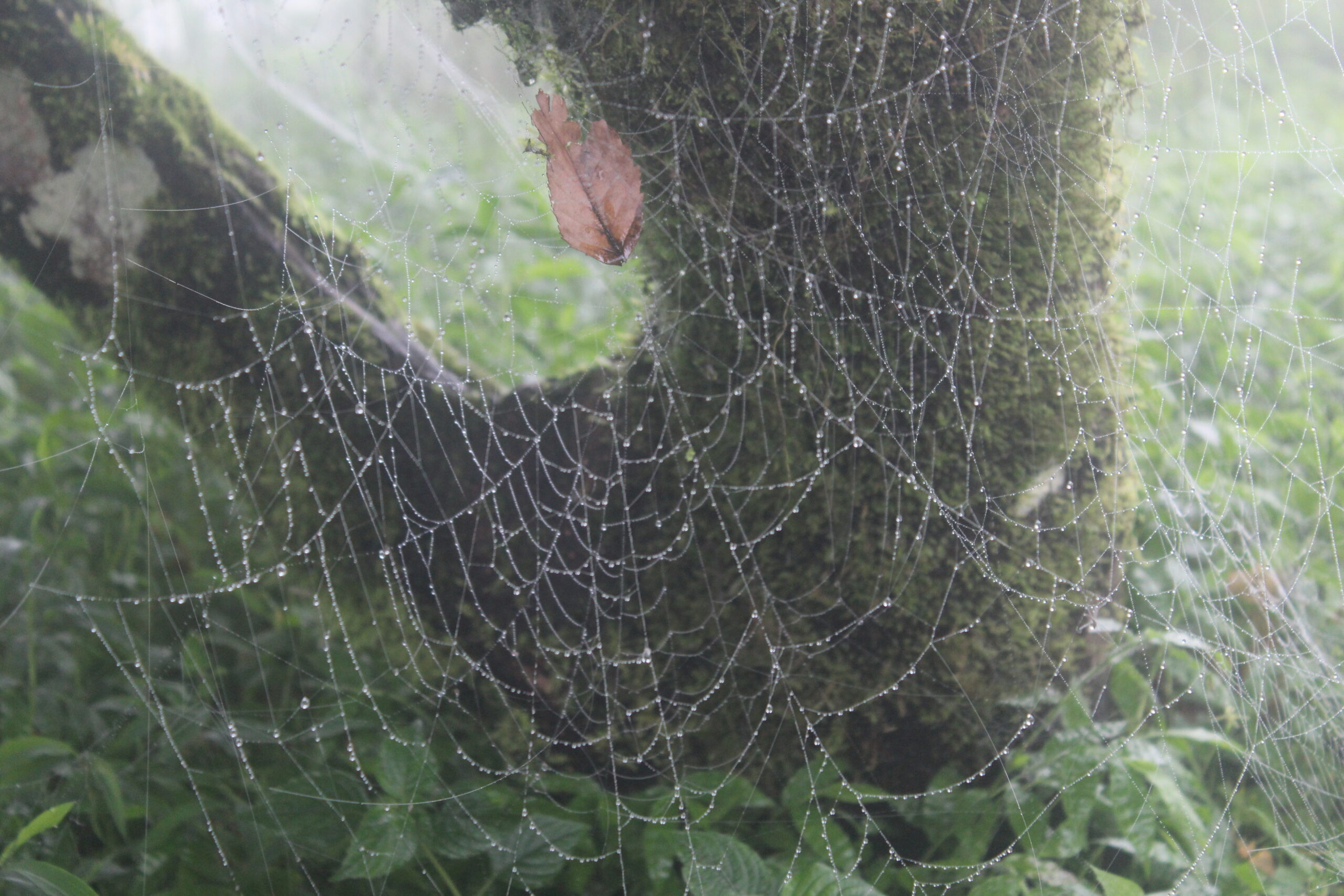
Nature’s stunning game plan manifested itself in the form of spider’s webs snatching moisture from low-flying clouds to form water droplets on its network of minute strings. Awesome or awestruck.
*Senior journalist, who has been associated with Jan Natya Manch since its inception.