Imphal, Manipur
From Hills to Plains: PM’s Rs 72K Crore Trail
New Delhi: Prime Minister Narendra Modi’s scheduled visit to Manipur on September 13, 2025, marks his first trip to the state since ethnic violence erupted on May 3, 2023, exactly 864 days prior, in a conflict between the Meitei and Kuki-Zo communities that has claimed over 250 lives and displaced more than 60,000 people.
With intermittent clashes persisting into 2025 despite phases of relative calm, the visit, part of a three-day itinerary spanning Mizoram, Assam, West Bengal, and poll-bound Bihar through September 15, will see Modi lay foundation stones and inaugurate projects worth over Rs 71,850 crore across the five states, emphasising infrastructure, connectivity, and economic growth in India’s Northeast and eastern regions.
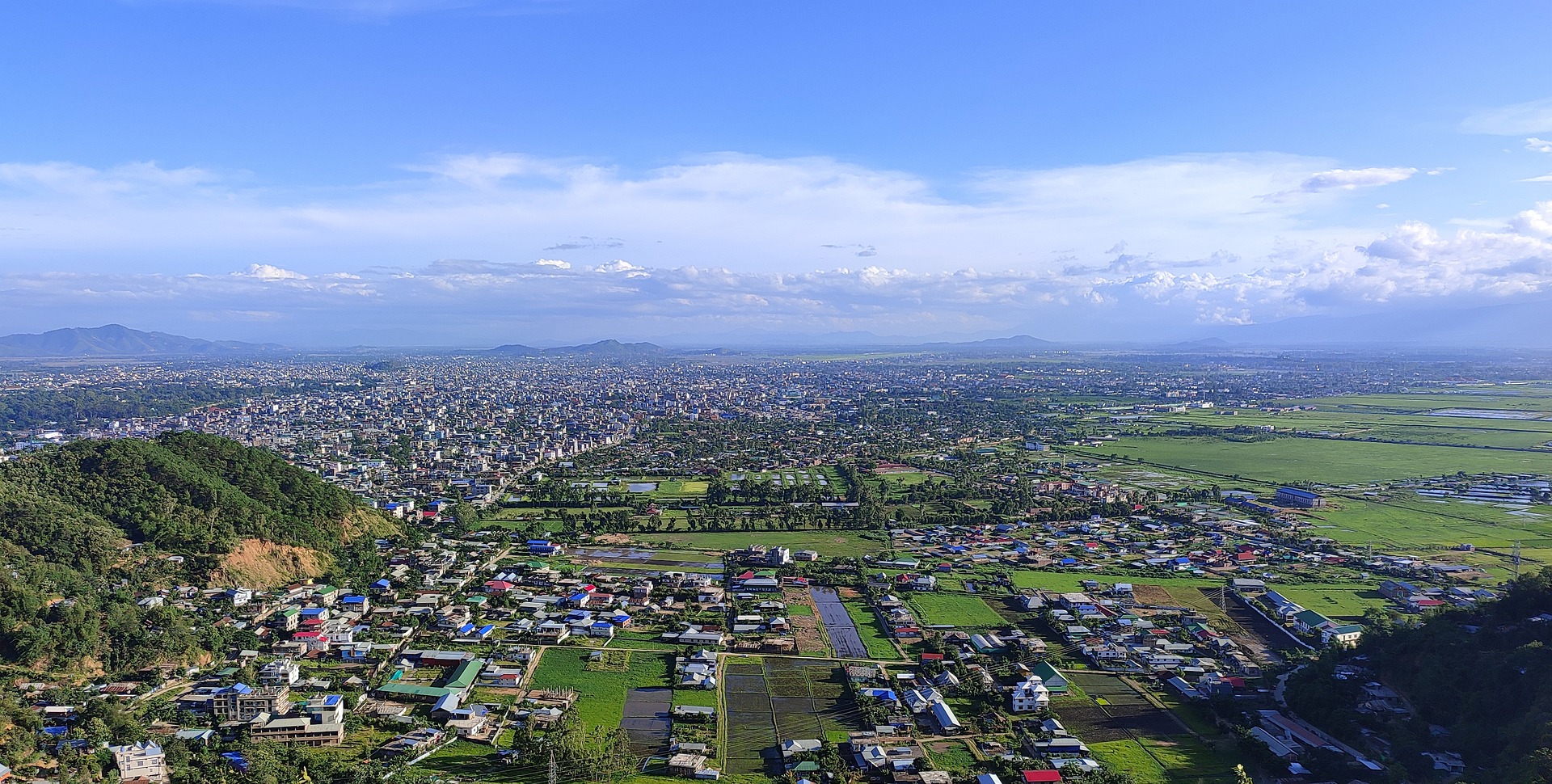
In Manipur, scheduled stops in Churachandpur—a Kuki-Zo majority hill district—and Imphal, the Meitei-dominated valley capital, include initiatives totaling over Rs 8,500 crore: at midday in Churachandpur, projects such as urban road and drainage upgrades valued at Rs 3,600 crore, five national highways exceeding Rs 2,500 crore, the Manipur Infotech Development initiative, and working women’s hostels at nine locations surpassing Rs 7,300 crore in combined worth; by early afternoon in Imphal, openings of a civil secretariat, IT special economic zone building, new police headquarters, Manipur Bhawans in Delhi and Kolkata, and all-women’s Ima markets in four districts, amounting to more than Rs 1,200 crore.
Modi plans to address public gatherings at both sites and interact with internally displaced persons, a gesture amid heightened security following recent clashes between miscreants and forces that led to vandalised banners and barricades in Churachandpur.
This engagement follows Modi’s initial public comments on the unrest in July 2023, after a video of related assaults went viral, when he called the situation “nauseating” and a stain on India’s democracy, followed by a July 2024 assertion of returning normalcy with reopened institutions, though reports document ongoing militant activity, village burnings, and overlaps with cross-border influences from Myanmar.
Reactions to the visit vary among Manipuri leaders and residents: local voices express cautious hope for accelerated relief and dialogue, with billboards in Imphal signaling official preparations, while opposition figures like Congress leaders dismiss it as belated and overshadowed by national concerns such as electoral processes; civil society groups report mixed public sentiment, including protests tearing down decorations, underscoring persistent grievances over delayed central intervention.
Among Kuki-Zo communities, responses include qualified welcomes alongside demands: the Kuki-Zo Council has urged cooperation to make the visit “historic and memorable,” encouraging traditional attire displays to showcase culture and resilience, while reiterating calls for separate administration; conversely, groups like Kuki Inpi Manipur have stated Modi “should be welcomed” as a platform to press for justice, but emphasized that mourning continues and opposed grand celebrations, with phrases like “can’t dance with tears in eyes” reflecting reluctance for festive receptions amid unresolved losses.
Manipuri Congress MP Bimol Akoijam has labelled the trip an “insult,” blaming the centre for bloodshed and calling for accountability on security failures, while 43 Bharatiya Janata Party grassroots leaders in Ukhrul district’s from the Naga-majority constituency resigned ahead of the visit, citing “the present state of affairs within of affairs within the party” and “lack of consultation, inclusiveness, and respect for grassroots leadership” as key reasons behind their move.
Broader public opinion shows mixed views, with some residents voicing hopelessness and disappointment over the delay, and others hoping for a healing touch or an apology to restore faith in governance. The timing, post-federal commitments to preserve Manipur’s territorial integrity in negotiations with Kuki groups, suggests an intent to signal stability through tangible development, potentially fostering economic inclusion across ethnic lines via improved roads, IT infrastructure, and women’s empowerment facilities—yet analysts note that while such investments address immediate needs like asset management and connectivity, deeper resolution of land rights, security lapses, and inter-community trust may require sustained political mechanisms beyond project unveilings.
The tour opens earlier that morning in Mizoram’s Aizawl, where Modi will launch projects exceeding Rs 9,000 crore spanning railways, roads, energy, and sports, highlighted by the inauguration of the Bairabi-Sairang rail line—over Rs 8,070 crore and featuring 45 tunnels through hilly terrain—connecting the state to India’s rail network for the first time, alongside flagging off three new express trains to Delhi, Guwahati, and Kolkata to enhance travel, trade, and tourism. Additional foundations include the 45-km Aizawl Bypass Road under the PM-DevINE scheme to cut travel times by 1.5 hours, horticulture-supporting roads like Thenzawl-Sialsuk and Khankawn-Rongura, the Chhimtuipui River Bridge for all-weather access and cross-border trade, a Khelo India indoor sports hall, a 30 TMTPA LPG bottling plant for clean fuel supply and jobs, and educational facilities such as a residential school in aspirational Mamit district and an Eklavya Model Residential School for tribal youth, aiming to boost enrollment and holistic development.
From there, the afternoon shifts to Assam for the 100th birth anniversary celebrations of Bharat Ratna Dr. Bhupen Hazarika in Guwahati, honoring his cultural legacy through music and literature, followed on September 14 by initiatives worth over Rs 18,530 crore: in Darrang, a medical college and nursing facilities, the Guwahati Ring Road for traffic decongestion, and the Kuruwa-Narengi Bridge over the Brahmaputra for socio-economic links; in Golaghat, the Assam Bioethanol Plant at Numaligarh Refinery for clean energy and the foundation for a Polypropylene Plant to advance petrochemicals and employment.
On September 15 in Kolkata, Modi will inaugurate the 16th Combined Commanders’ Conference—billed as the “Year of Reforms: Transforming for the Future”—a biennial apex forum uniting civilian and military leaders to strategise national defence and preparedness, running through September 17.
The tour concludes in Bihar’s Purnea, where amid assembly elections later in the year, he will launch the National Makhana Board to promote production, processing, and exports in the state’s dominant 90% share of national output, benefiting farmers in districts like Madhubani and Purnea; inaugurate the interim terminal at Purnea Airport for expanded passenger capacity; and initiate projects around Rs 36,000 crore, including the Rs 25,000 crore 3×800 MW ultra-super critical thermal power plant at Pirpainti for energy security, Phase 1 of the Kosi-Mechi river link at over Rs 2,680 crore for irrigation and flood mitigation across northeastern districts, rail lines like Bikramshila-Katareah over Rs 2,170 crore bridging the Ganga and Arariya-Galgalia at Rs 4,410 crore, flagging off Vande Bharat and Amrit Bharat expresses for regional integration, a sex-sorted semen facility under Rashtriya Gokul Mission producing 5 lakh doses annually to aid dairy farmers via indigenous technology, Griha Pravesh for 35,000 rural and 5,920 urban PMAY beneficiaries, and Rs 500 crore in community funds under DAY-NRLM to cluster federations.
Collectively, these stops highlight a strategic push for Northeast integration through rail and road links, sustainable energy, agricultural innovation, and defence reforms, while in Manipur and Bihar, they intersect with local sensitivities around ethnic harmony and electoral dynamics—offering developmental momentum that could underpin long-term resilience, provided it aligns with on-ground peace-building efforts.
– global bihari bureau