Bhojpuri Folk Singer Vijaya Bharti
Interview: Vijaya Bharti
 By Bhavya Raj
Chhath Notes to National Chords: India’s Folk Awakening
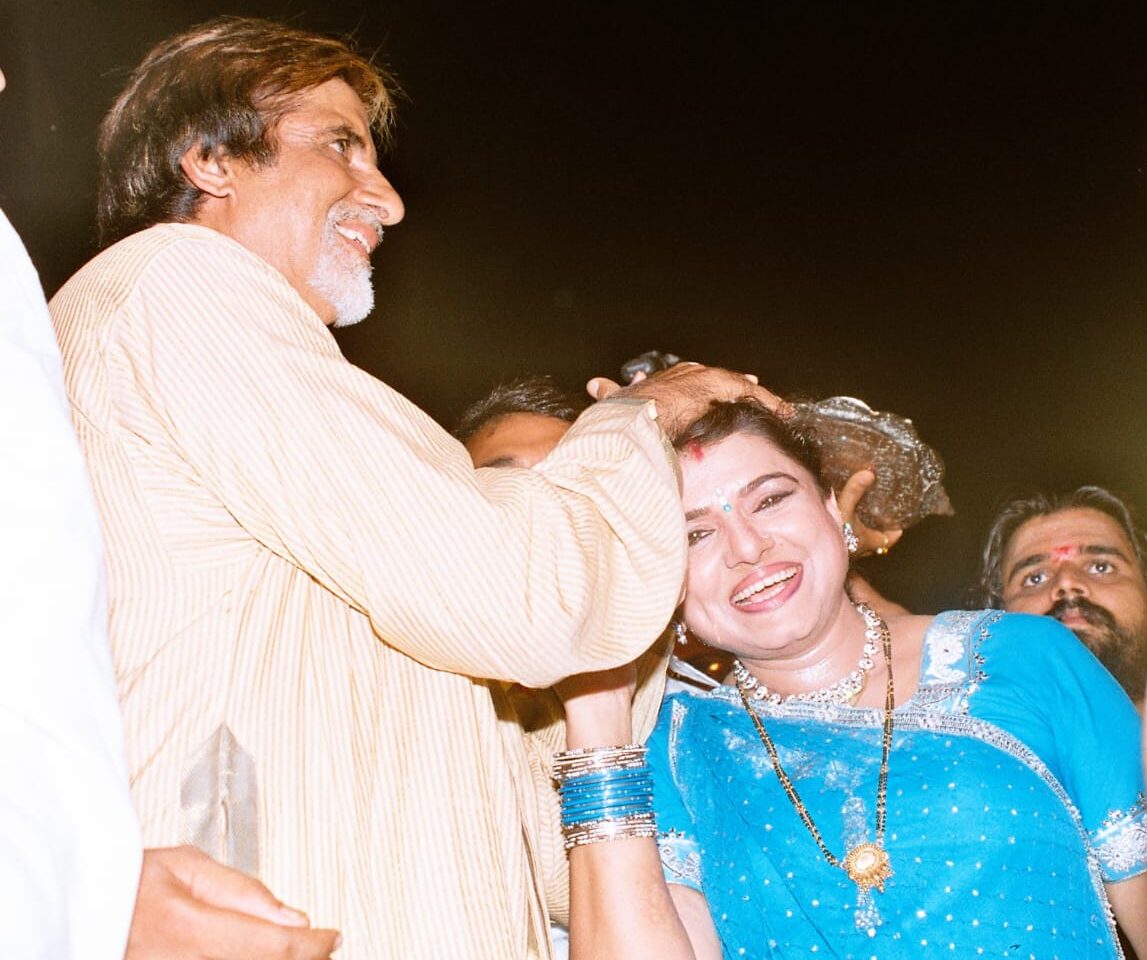
For Vijaya Bharti, Chhath is more than devotion — it is destiny. Her melodies are not mere songs but meditations on nationhood. From Zubeen Garg’s memorial to Bhojpuri reform, from Chhath Geet revival to singer-candidates in Bihar — Vijaya Bharti’s voice rises as a call for a national cultural awakening. One of India’s foremost folk artists and cultural thinkers, she believes the time has come to create a National Music Memorial and Living Archive — a sacred space where every region, genre, and generation finds its rightful place in India’s musical journey.
Born in Bihar and raised in Mumbai, Vijaya Bharti represents the meeting of the Ganga and the Arabian Sea. With dual Master’s degrees in Music and Hindi and the honorific Vidya Vachaspati (PhD equivalent), she is a top-grade artist of All India Radio and Doordarshan, a poet, anchor, and cultural reformer. Having performed in 22 countries and sung in more than 18 languages — from Bhojpuri and Maithili to Assamese, Santhali, Rajasthani, and Hindi — she has carried the fragrance of Indian soil to every corner of the world. She has anchored iconic shows like Mahua TV’s Bihane Bihane, released over 100 albums, authored ten poetry collections, and received more than 150 awards. Her contributions to social causes — from malnutrition to child labour and gender justice — earned her personal appreciation from Prime Minister Narendra Modi, who invited her to contribute to national campaigns. Through her voice, India’s soil, spirit, and sound find their harmony once more.
Q: What is the essence of your folk music?
A: Pure folk music fills the soul with the fragrance of the earth. It’s not just emotional — it’s psychological, spiritual, and civilizational. Lok is not entertainment — it is enlightenment. When I sing, I offer a prayer to the soil that raised me.
Q: How do you connect folk music to the Sanatan tradition?
A: The Vedas proclaim, “Sangeetam Brahma Swaroopam.” In the Samaveda, music is revelation. Lok is primal; classical music refines it, but its origin is Lok. Sanatan Dharma rests upon the foundation of Lok — its voice, its wisdom, its soil.
Q: You are celebrated for your Chhath songs. Could you share a glimpse?
A: This year, I released two Chhath songs — one in Bhojpuri and one in Maithili — on my YouTube channel, Indian Folk Star Vijaya Bharti. I wrote, composed, and sang them. These are not just performances — they are prayers set to melody.
Q: Padma Vibhushan Sharda Sinha left us last year. How do you remember her?
A: Sharda ji was not just a legend — she was my musical mother. She took my first interview. We sang together from Mumbai to Delhi. Her Chhath songs are rituals. Her departure is not silence — it is a sacred pause. Her music will continue to sing through us.
Q: The nation mourns Zubeen Garg. What are your thoughts?
A: I have a strong emotional relationship with Assam and the Northeast. I’ve performed in Guwahati and Meghalaya and even sang with Pratima Baruah Pandey at Rabindra Bhawan. Zubeen Garg was the radiant star of a new generation. His passing is a story of pain and mystery. He is alive in our hearts. Justice must be done.
I hope Chief Minister Himanta Biswa Sarma will establish a Centre for Enajori — a national musical confluence — in Zubeen’s memory. And we must also honour the golden voices we have lost — Lata ji, Sharda ji, SPB, KK, Vani Jairam, Bappi Lahiri. Their memories deserve a National Music Memorial.
Q: From stage to screen, your journey spans continents. What moments stand out?
A: From the dusty lanes of Bihar to the grand auditoriums of Berlin and Trinidad, I’ve carried the fragrance of Indian soil in my voice. I’ve sung on temple steps and television sets, in village fairs and diplomatic halls. I’ve shared platforms with Amitabh Bachchan, Amrish Puri, Yash Chopra, and Ravindra Jain. But what stays with me most are the moments when a folk song made someone cry in Germany or dance in Trinidad. That is the power of Lok.
Q: You’ve spoken boldly on cultural politics. What drives that stance?
A: Art must be earned, not inherited through political proximity. I’ve never sought favours, nor accepted them. My relationship with politics is that of a vigilant citizen, not a beneficiary.
Q: You’ve also raised your voice against vulgarity in Bhojpuri music. Why?
A: Ashleelta is not culture — it is corrosion. Bhojpuri must be protected from distortion. Folk is sacred, not sensational. We must restore dignity to our dialects and depth to our lyrics.
Q: Your literary contributions are vast. What themes do you explore?
A: I’ve written ten poetry collections and a story anthology. My songs and poems address malnutrition, child labour, environmental protection, and gender justice. Prime Minister Narendra Modi wrote a letter and personally invited me to contribute to these campaigns. My words are my activism.
Q: What policy changes would you recommend for folk and cultural artists?
A: Post-COVID, folk artists have faced a severe decline. Doordarshan must dedicate a channel to folk music. NEP 2020 mentions integrating folk culture into education, but implementation is missing. Payments to graded artists must be reviewed and raised. Zonal cultural centres should be revived, and artists — not bureaucrats — must be part of their governing bodies.
Q: Some singers are contesting elections in Bihar. Your thoughts?
A: I congratulate them. May they carry the voice of the soil into the corridors of power. But from politics to culture, cleanliness is a must — of intent, of language, of legacy.
Q: What is your pledge to India as a folk singer in this Amrit Kaal?
A: This is not just a time of celebration — it is a time of cultural reckoning. India must elevate folk culture from festival décor to policy priority. My call is clear: “India’s call is for preservation, promotion, and purposeful encouragement of Lok.”
Q: What is your vision for national unity through music?
A: Music is the most potent thread of unity — it can infuse nationalism without slogans. I sing in 18 languages, but where is the opportunity to sing with Assam, Tamil Nadu, Andhra Pradesh, Kerala, or Punjab in a shared concert of unity? Let us create a new Mile Sur Mera Tumhara — not just a campaign, but a movement. Let the Ganga meet the Brahmaputra in song. Let the folk of Rajasthan embrace the rhythm of Kerala. Let tribal chants harmonise with classical ragas. Cross-country and global exchanges will build Brand Bharat in this Amrit Kaal.