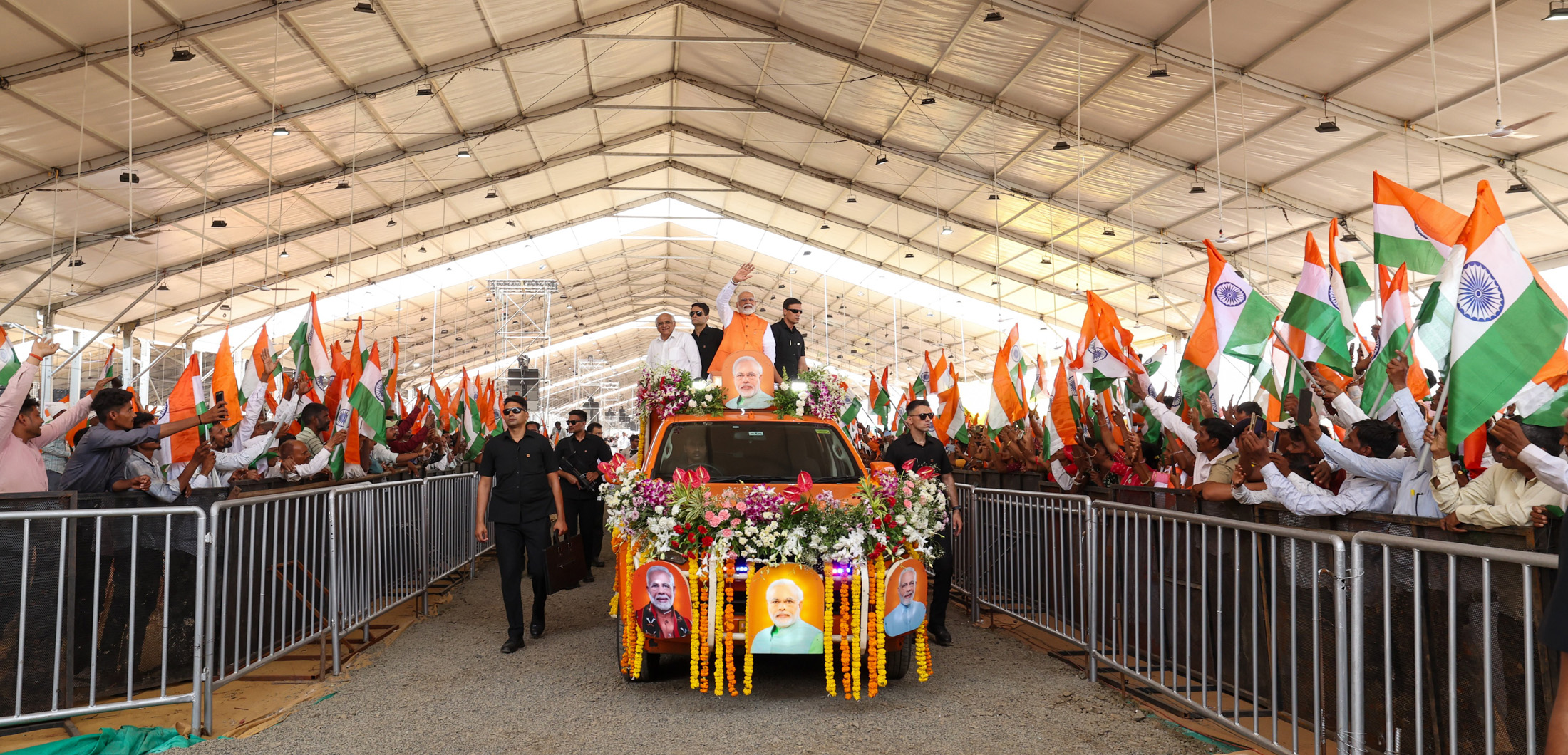
Prime Minister Narendra Modi in Dahod on May 26, 2025.
Bhuj/Dahod: Prime Minister Narendra Modi today launched development projects worth over Rs 77,400 crore in Bhuj and Dahod, Gujarat, aiming to transform the state into a hub for green energy, maritime trade, and industrial growth. The initiatives, announced during events in both cities, underscore Gujarat’s role in India’s economic ambitions, focusing on renewable energy, railway manufacturing, and tribal development.
In Bhuj, projects valued at Rs 53,400 crore were inaugurated or had their foundation stones laid, with a significant emphasis on renewable energy. The Khavda Renewable Energy Park, spanning 72,600 hectares, is set to generate 30 gigawatts of solar and wind energy by the end of 2025, positioning Kutch as a global leader in clean energy.

A new green hydrogen plant in Kandla, utilising indigenous technology, was also announced, with Modi describing green hydrogen as the “fuel of the future” for vehicles and utilities. However, the new green hydrogen plant in Kandla, touted as a “Made in India” innovation, promises to power vehicles and utilities. However, critics note that the technology’s high costs and nascent infrastructure may delay widespread adoption. Green hydrogen technology is known to face challenges due to high production costs and limited infrastructure (e.g., storage and distribution systems).
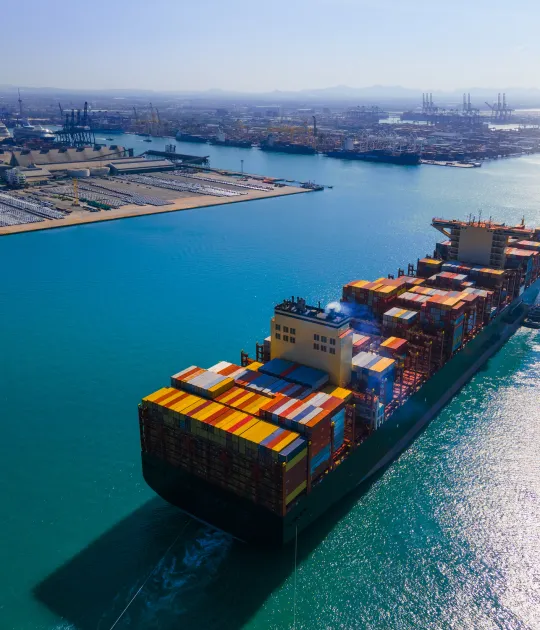
Kandla, one of three designated green hydrogen hubs in India, will benefit from projects like a Rs 35,000 crore 800 KV High Voltage Direct Current line from Khavda to Nagpur and a Rs 4,200 crore 765 kV transmission line from Khavda to Vataman, aimed at evacuating renewable power. Kandla and Mundra ports, which handle nearly a third of India’s maritime trade, saw upgrades including a new jetty and expanded cargo storage. A Rs 2,400 crore coastal corridor under the GatiShakti scheme will connect Kutch to industrial and tourism hubs across Valsad, Navsari, Surat, and Bharuch, with 300 kilometres already under construction. An Rs 8,850 crore Ultra Super Critical Thermal Power Plant at Tapi-Ukai and water infrastructure projects, including a 100 MLD seawater desalination plant serving 8 lakh people across 300 villages, were also launched.
Kutch’s agricultural sector, supported by the Narmada canal, has enabled exports of mangoes, dates, pomegranates, cumin, and dragon fruit. The region’s cultural heritage, including Kutch embroidery and Ajrakh printing, recently awarded a Geographical Indication tag, drives tourism through the Rann Utsav. The Smriti Van memorial, recognised by UNESCO as one of the world’s most beautiful museums, and Dhordo, named a top global tourism village, enhance Kutch’s appeal. Modi proposed a Mandvi beach festival and highlighted the upcoming Namo Bharat Rapid Rail between Ahmedabad and Bhuj to boost tourism further. Road projects, such as the Rs 55 crore Laija-Motati Kothara Coastal Highway and the Rs 50 crore Hodko-Dhoro Tent City Road, aim to improve connectivity.
In Dahod, projects worth Rs 24,000 crore were launched, with a focus on railway manufacturing and tribal upliftment. The Dahod Electric Locomotive Factory, producing 9,000-horsepower electric locomotives, marked a milestone by flagging off its first unit, aligning with Gujarat’s achievement of 100% railway electrification. These locomotives, equipped with regenerative braking systems, will enhance freight capacity and reduce energy consumption. The factory is expected to produce hundreds of locomotives, supporting small-scale industries and creating jobs. Modi also flagged off the Vande Bharat Express between Ahmedabad and Veraval and a new express train connecting Dahod and Valsad, improving connectivity for the tribal belt. India’s railway exports, including coaches to Australia, Mozambique, and Sri Lanka, reflect the “Make in India” initiative’s success, with Gujarat playing a central role.
Dahod, Vadodara, Godhra, Kalol, and Halol form a high-tech manufacturing corridor, bolstered by Vadodara’s Airbus assembly line, Gati Shakti University, and a new semiconductor plant. The Rs 80,000 crore Dhartii Aaba Janjati Gram Utkarsh Abhiyan targets 60,000 tribal villages nationwide, including in Gujarat, with infrastructure like electricity, water, roads, and schools. The PM Janman Yojana supports marginalised tribal groups, while a national mission screens millions for sickle cell anaemia. Dahod, once a backwards district, now benefits from Narmada water pipelines and irrigation across 11 lakh acres from Umargam to Ambaji. Educational facilities, including Eklavya Model Schools, tribal universities, and medical colleges, have expanded access for tribal communities.
Addressing national security, Modi highlighted Operation Sindoor, which destroyed nine terror hubs in 22 minutes, as a response to the Pahalgam attack in Jammu & Kashmir. He praised the armed forces’ precision and recalled the 1971 Bhuj airbase reconstruction by local women and Dahod’s historical sacrifices, emphasising Gujarat’s resilience. He urged Pakistani citizens to reject their government’s support for terrorism, framing India’s fight as one against sponsors of cross-border attacks.
The Rs 77,400 crore investment signals Gujarat’s pivotal role in India’s development, leveraging its coastal and industrial strengths. The projects aim to create jobs, boost exports, and uplift tribal communities, though their success will depend on effective implementation and sustained local engagement.
– global bihari bureau