Ukrainian Drone Strike Hits Russian Nuclear Plant
Kursk (Russia): As of August 25, 2025, the Kursk Nuclear Power Plant reported no ongoing safety threats following a Ukrainian drone attack on August 24, 2025, which damaged an auxiliary transformer and sparked a fire that was quickly extinguished. Radiation levels remained normal, and Unit 3 operated at 50% capacity, with no injuries reported, though the incident heightened concerns about nuclear safety amid the Russia-Ukraine conflict.
The International Atomic Energy Agency (IAEA) confirmed normal radiation levels and planned a visit by Director-General Rafael Grossi on August 27, 2025, to assess the situation, given the plant’s proximity to conflict zones 60 kilometres from the Ukraine border. The attack, occurring around 02:30 Indian Standard Time on August 24, 2025, was part of a broader wave of Ukrainian drone strikes, prompting Russia to accuse Kyiv of targeting critical infrastructure.
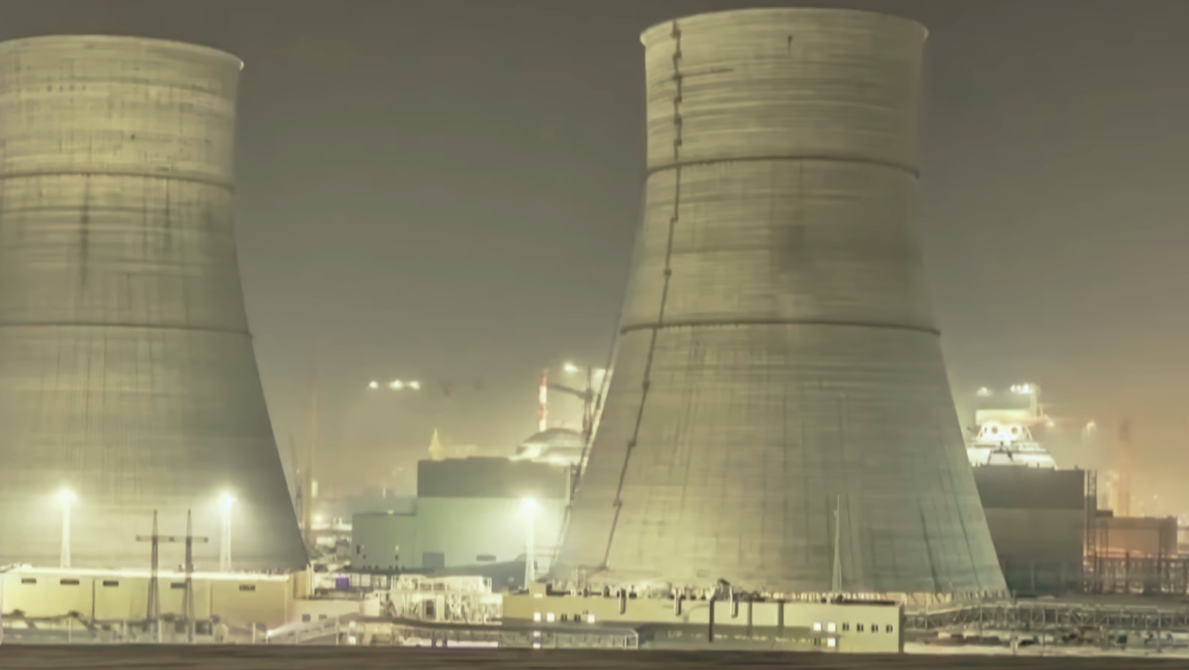
The attack took place near the Kursk Nuclear Power Plant, west of Kursk city. Russian air defence systems shot down a Ukrainian combat unmanned aerial vehicle (UAV), which detonated, damaging an auxiliary transformer and igniting a fire, according to the plant’s press service. The fire was extinguished quickly, with no injuries, and radiation levels remained normal. Unit 3’s capacity dropped by 50%, while two reactors operated without power generation, and one was under scheduled repairs. Russia’s Defence Ministry reported intercepting 95 Ukrainian drones across 13 regions, including Kursk, Leningrad, and the annexed Crimean Peninsula, accusing Ukraine of targeting power and energy facilities. Sources include the plant’s press service, the Defence Ministry, and reports from Reuters, BBC, Al Jazeera, DW, and France24.
Ukraine did not comment, though Kyiv often targets Russian infrastructure to disrupt Moscow’s military efforts, retaliating for Russia’s attacks on Ukraine’s energy grid since 2022. The IAEA, aware of media reports of a transformer fire due to military activity, lacked independent confirmation but stressed that nuclear facilities must be protected. Russia’s IAEA envoy criticised the agency’s response as “muted.” Ukrainian President Volodymyr Zelenskyy, marking Ukraine’s 34th Independence Day on August 24, said, “This is how Ukraine strikes when its calls for peace are ignored,” without directly referencing Kursk. Russia’s President Vladimir Putin, via the Defence Ministry, condemned the attacks as targeting civilian infrastructure.
The attack coincided with Ukraine’s Independence Day, with Russia launching 72 drones and a cruise missile into Ukraine, 48 of which were downed or jammed. Ukraine’s strikes hit the Ust-Luga fuel terminal in Leningrad, causing a fire, and an industrial site in Syzran, Samara, injuring a child, following earlier attacks on Russia’s Druzhba oil pipeline.
This incident raises urgent questions: How can nuclear facilities be safeguarded during active conflicts? What diplomatic measures can prevent the escalation of infrastructure attacks? Can the IAEA’s oversight ensure civilian safety? With no immediate answers, the attack underscores the need for international efforts to protect critical sites and avert catastrophic risks in the ongoing war.
– global bihari bureau