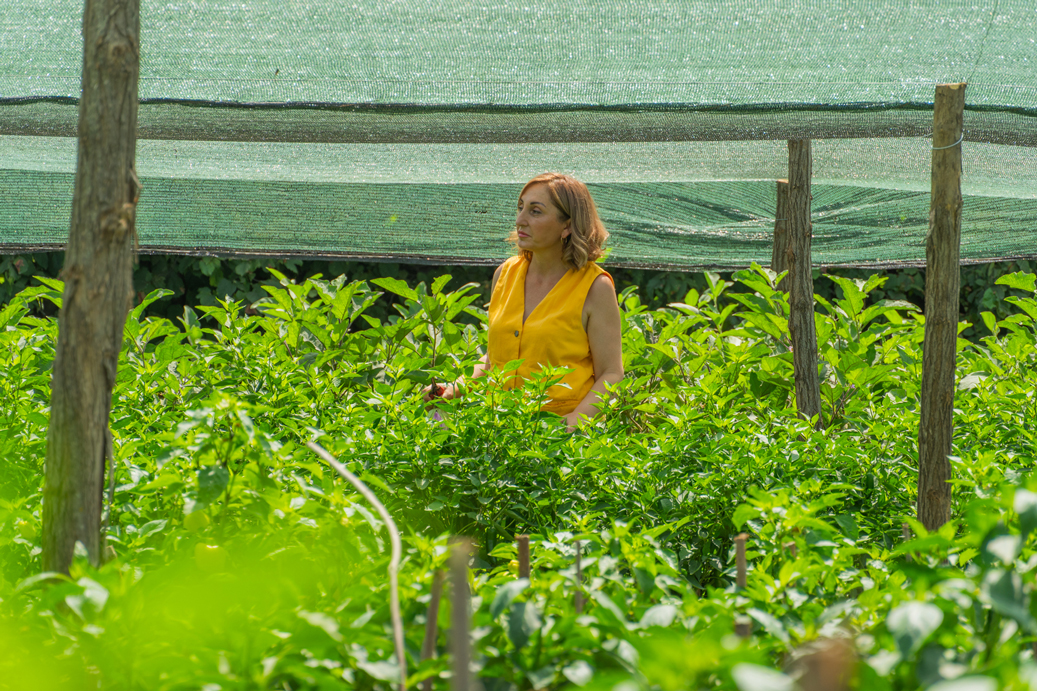
Switching from journalism to fruit and vegetable production, Nino Tadiashvili emphasizes the importance of access to knowledge in farming successfully. ©FAO/Guram Saqvarelidze
From News to Farm: Nino’s Harvest Glow
Gavazi, Georgia: In Georgia’s lush Kakheti region, a farming revolution is blooming, where shared knowledge is transforming small plots into vibrant hubs of safe, high-yield crops. At the heart of this change is Nino Tadiashvili, a former journalist who left the newsroom to tend her family’s six-hectare plot in Gavazi village, now bursting with tomatoes, eggplants, peppers, melons, pumpkins, and zucchinis. “Journalism was about capturing others’ stories,” Nino says, her hands brushing soil from a ripe pepper. “Farming is my story, told through colours, aromas, and tastes.” Her shift from headlines to harvests drives a movement empowering smallholders to conquer pests, heat, and market demands with new skills.
Nino sees agriculture as a space of freedom and creativity, but challenges like pest outbreaks, increasingly hot summers, and strict food safety standards require expertise. “The problems we’ve faced come from a lack of knowledge,” she explains, “so we’re building knowledge-based agriculture.” On her plot, a farmer field school gathers Gavazi’s farmers weekly, with Nino as lead farmer sharing modern techniques for safer, more efficient production. Three years into this effort, her methods have transformed: her crops grow on raised beds with mulch to suppress weeds and minimise herbicide use, protected by shading nets to guard against scorching summers, and nourished by drip irrigation with fertigation for precise water and nutrient delivery. “The mulch and raised beds have been especially useful in protecting crops from weeds,” she says, “and without shading nets, many of our veggies would wilt, and fruits would get sunburned.”
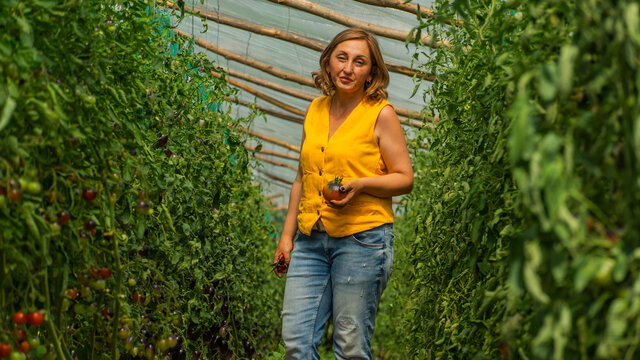
Integrated Pest Management, using delta pheromone traps, helps Nino monitor specific pests and apply pesticides only when necessary, avoiding overuse. “The delta traps help us determine if and what pesticide applications are needed,” she notes, “so we don’t overuse chemicals.” The results are remarkable: her harvest has tripled, with vegetables achieving higher food safety and quality standards. Nino’s plot also serves as a testing ground for new varieties, like a chocolate-colored sweet pepper with a cocoa-like aroma that delights children and catches the eye of Tbilisi retailers. “The retailers themselves always ask me to share new veggies and fruit varieties, even if it’s only a single kilogram,” she says, “to test out the demand for them. Visual appeal isn’t enough—taste matters.”
Partnering with large retailers, Nino explores consumer preferences, diversifying her crops to meet urban markets while rooted in Kakheti’s fertile traditions. The farmer field school, supported by the Food and Agriculture Organization of the United Nations (FAO) through the European Union (EU) and Sweden-funded European Neighbourhood Programme for Agriculture and Rural Development (ENPARD), powers this transformation. Developed 25 years ago in Southeast Asia as a hands-on alternative to top-down training, these schools bring farmers together to study soil, pests, and markets over a growing cycle, tailored to Georgia’s climate shifts and EU trade agreement demands. Since 2018, ENPARD has trained and provided technical assistance to more than 2,000 vegetable and fruit farmers across Georgia, fostering sustainable, inclusive growth.
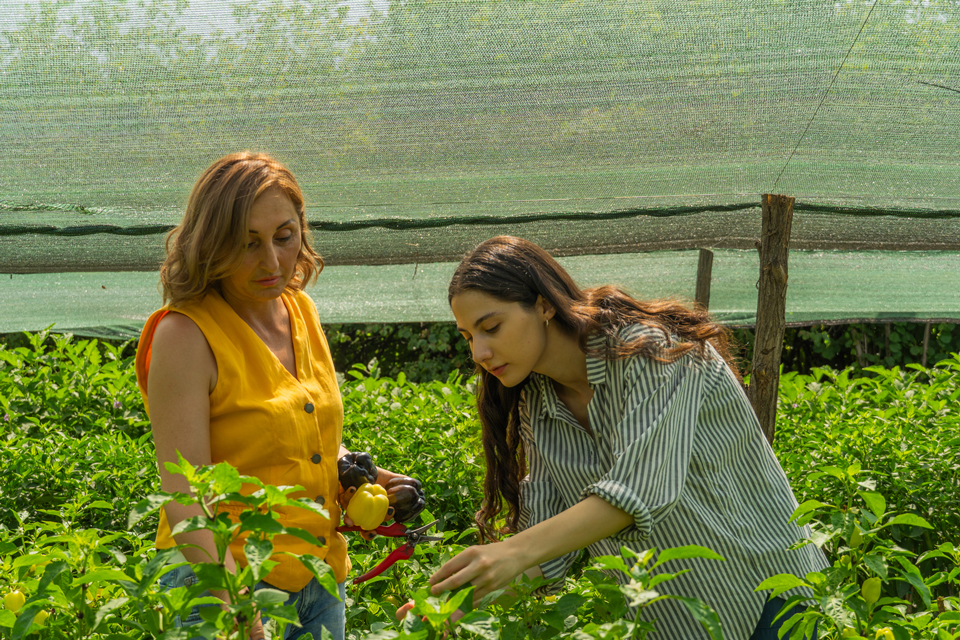
In Gavazi, at least 60 per cent of farmer field school participants have adopted mulch, raised beds, balanced plant nutrition, and Integrated Pest Management practices, turning lessons into tangible gains. As lead farmer, Nino inspires her neighbours to diversify their production. “Along with the knowledge from our farmer field school, Gavazi has both the human and soil capital to ensure complex agricultural production, especially of high-quality, safe vegetables,” she says. “If we all increase the production of such products, our village will turn into a hub, a brand, generating much more diverse vegetables, possibly enough to export some of them too.” In a nation where smallholders face erratic weather and market hurdles, these schools empower women, who drive much of rural agriculture, to lead change. Nino’s journey from newsroom to fields, blending tradition with innovation, shows how one plot can spark a brighter future for Georgia’s farms.
Source: The FAO News And Media Office, Rome
– global bihari bureau