China alarms, India evacuates, Russia offers mediation, Pezeshkian seeks citizens’ support
Tel Aviv/Tehran/Moscow/Washington/New York/Beijing/New Delhi: Israel’s Operation Rising Lion, now in its sixth day, has exacted a heavy toll, with Prime Minister Benjamin Netanyahu acknowledging significant casualties in the nation’s dual campaign against Iran’s nuclear and ballistic missile programmes and Hamas in Gaza, while global powers scramble to contain the escalating conflict. International alarm grows as Russia offers mediation, China and India evacuate citizens, and the UN warns of regional destabilisation, amplifying the stakes of Israel’s military push amid a worsening humanitarian crisis in Gaza.
Israeli Prime Minister Benjamin Netanyahu reported heavy casualties on June 18, 2025, as Operation Rising Lion entered its sixth day, a grim milestone in Israel’s dual campaign against Iran’s nuclear and ballistic missile programs and Hamas in Gaza.
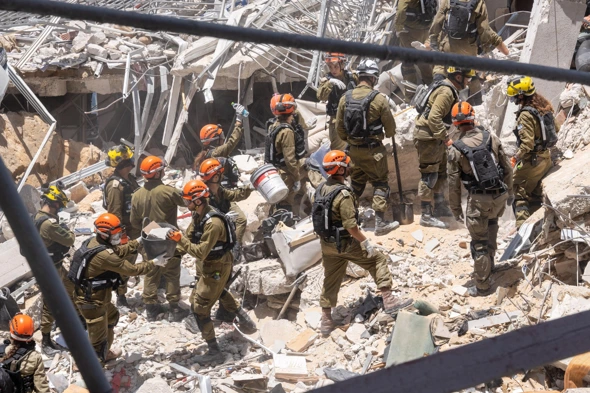
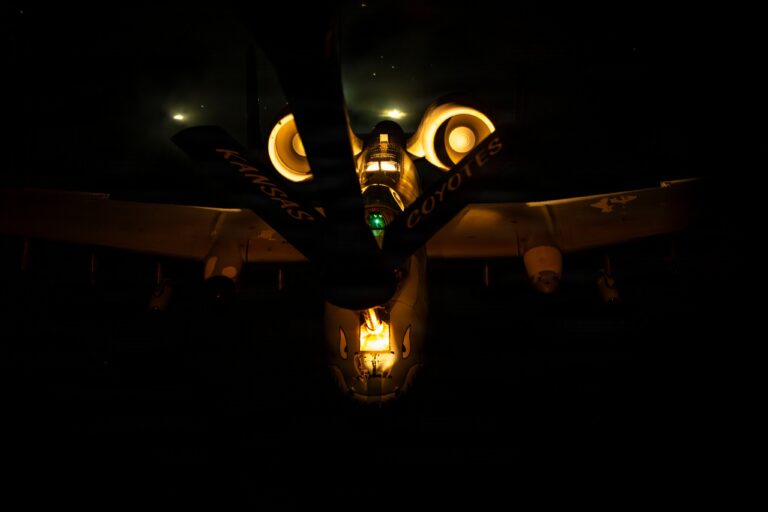
Addressing the nation, Netanyahu acknowledged “many losses, painful losses,” including fallen soldiers, and offered condolences on behalf of the government, vowing support for affected families. “We embrace them,” he said, emphasising shared grief. Despite the toll, he asserted, “The home front is strong. The people are strong, and the State of Israel is stronger than ever.” The operation targets Iran’s existential nuclear and missile threats, with Israeli forces controlling Tehran’s skies and striking nuclear installations, missile sites, command centres, and regime symbols, while intense fighting in Gaza aims to defeat Hamas and secure all hostages, living and deceased.
Netanyahu described the campaign as a methodical effort to dismantle Iran’s strategic assets, noting praise from world leaders for Israel’s resolve and its citizens’ resilience. He thanked President Donald J. Trump, “a great friend of the State of Israel,” for U.S. support in defending Israel’s skies, citing a “very warm” conversation on June 17. Trump’s stance, reiterated over 54 times since 2011, including on June 17, 2025—“Iran cannot have a nuclear weapon”—aligns with Israel’s goals. Trump has stressed that Iran must end terrorism, proxy wars, and nuclear ambitions, stating on May 14, 2025, that these are prerequisites for any deal. He expressed hope for Iran’s success on May 6, 2025, saying, “We want it to be a great country,” but warned on October 1, 2024, that nuclear weapons are “the biggest problem today.” On June 18, Trump posted on social media that Iranian Supreme Leader Ali Khamenei is “an easy target, but he is safe there” for now, calling for Iran’s “unconditional surrender” and noting U.S. patience is “wearing thin,” prompting global concern.
In Iran, President Masoud Pezeshkian, speaking at a cabinet meeting on June 18, emphasised national unity and public participation in response to Israel’s attacks, which he termed “crimes committed by the Zionist regime.” He stated that with public support, “no problem will endanger the country,” urging all measures to preserve cohesion. Pezeshkian called for officials to assist citizens, ensuring the public feels supported, and thanked neighbouring countries for their solidarity, urging ministers to strengthen regional ties. He advocated delegating authority to provincial officials for swift decision-making and stressed adherence to security protocols to prevent further issues.
The Israel-Iran conflict has triggered widespread international alarm. In a June 18 UN press briefing, spokesperson Stéphane Dujarric conveyed the Secretary-General’s “profound alarm” at the escalation, warning that further interventions could destabilise the region, including Syria, and threaten global peace. The Secretary-General demanded an immediate halt to military actions, urging diplomacy under the UN Charter to address Iran’s nuclear program. He voiced heartbreak over civilian deaths in Iran, Israel, and Gaza, clarifying that his call to stop military actions is a ceasefire demand, and expressed concern that the conflict could divert attention from Gaza’s humanitarian crisis, urging focus on victims worldwide, including in Sudan and Myanmar.
Russia offered to mediate, as confirmed in a June 18 telephone conversation between President Vladimir Putin and UAE President Mohammed bin Zayed Al Nahyan, initiated by the UAE. Both expressed deep concern over the Israel-Iran escalation, warning of “most adverse consequences” for the region. They stressed ceasing hostilities and pursuing diplomatic solutions to Iran’s nuclear issue. Putin affirmed Russia’s willingness to facilitate dialogue, noting prior contacts with other leaders, and both expressed satisfaction with Russia-UAE cooperation, agreeing to maintain contact.
China voiced alarm and criticised U.S. threats. At a June 18 press conference, Foreign Ministry spokesperson Guo Jiakun expressed “deep worry” about the Israel-Iran situation, opposing actions violating the UN Charter or sovereignty, particularly Trump’s remarks about Khamenei. Guo urged countries with influence over Israel, notably the U.S., to adopt a “fair and objective position” to de-escalate. China has evacuated 791 citizens from Iran and others from Israel, with over 1,000 still being relocated via land crossings, assisted by embassies in Azerbaijan and Turkmenistan. No Chinese casualties have been reported.
India launched Operation Sindhu on June 18 to evacuate its nationals from Iran amid the escalating conflict. The Indian Embassy evacuated 110 students from northern Iran to Armenia on June 17, with the students travelling by road to Yerevan under embassy supervision. They departed Yerevan on a special flight at 14:55 on June 18, arriving in New Delhi early on June 19. India thanked Iran and Armenia for facilitating the evacuation. The Indian Embassy in Tehran is assisting nationals in moving to safer areas within Iran and evacuating them, providing emergency helplines (+98 9128109115, +98 901044557, etc.) and a 24/7 Control Room in New Delhi (800118797, +91-11-23012113, situationroom@mea.gov.in). India prioritises the safety of its citizens abroad, urging those in Iran to stay in contact with the embassy.
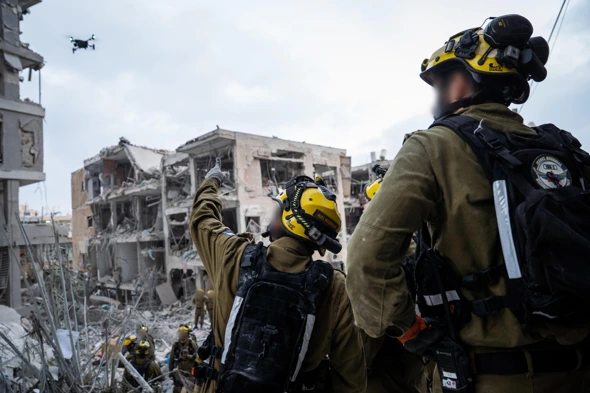
Gaza’s humanitarian crisis is catastrophic. The Office for the Coordination of Humanitarian Affairs (OCHA) reported scores of casualties and damaged infrastructure. In Khan Younis, the Nasser Medical Complex has repurposed its maternity ward for emergency surgeries, performing amputations amid surging casualties. Blood shortages rely on daily collections, and food scarcity causes emergency workers to faint during mass casualty events. Field hospital admissions have tripled due to restricted access to Nasser, near an Israeli-imposed displacement area. A new field hospital in Al Mawasi camp serves displaced families, but shortages threaten operations. OCHA noted partners are assessing displacement sites west of Gaza City.
Fuel shortages cripple aid operations, with no new supplies entering Gaza for over 100 days. The Palestine Red Crescent Society operates fewer than 24 of 58 ambulances, though Israeli authorities approved a fuel retrieval mission from Al Tahreer station in Rafah on June 18, results pending. The last successful fuel mission was a month ago, with Israeli denials blocking access. Internet blackouts in Deir al Balah, Khan Younis, and Rafah, ongoing since June 17, disrupt aid coordination, with repair missions denied. Displacement orders in Khan Younis and Deir al Balah affect hundreds across five neighbourhoods, with five healthcare centres and three medical points nearby. Over 680,000 people have been displaced in Gaza in the past three months, including 250,000 in the last 30 days.
Palestinian civil society organisations, including the Palestinian Civil Society Organization Network, demanded a halt to U.S.-Israeli aid mechanisms, alleging they facilitate civilian deaths and forced displacement, claiming a goal is to “make not only killing Palestinians but also force them to leave Gaza.” The UN, via Dujarric, criticised the Gaza Humanitarian Foundation’s operations for failing humanitarian standards, causing deaths despite some aid delivery, and demanded unimpeded access to fuel and supplies.
Netanyahu concluded by reaffirming Israel’s resolve, stating, “Together we will fight and with G-d’s help, together we will win.” He directed ministries to assist those harmed, urged unity, and praised Israel’s strength. The stakes are immense: preventing a nuclear-armed Iran, rescuing hostages, and defeating Hamas, amid Gaza’s crisis and global calls for de-escalation. Pezeshkian’s unity call, Russia’s mediation offer, China’s concerns, India’s evacuation efforts, and the UN’s warnings underscore the risk of regional destabilisation and the urgent need to balance military aims with the escalating human cost.
– global bihari bureau