UN Designates 2026 to Safeguard Grasslands and Livelihoods
Pastoralists at the Forefront of Climate, Food, and Ecology
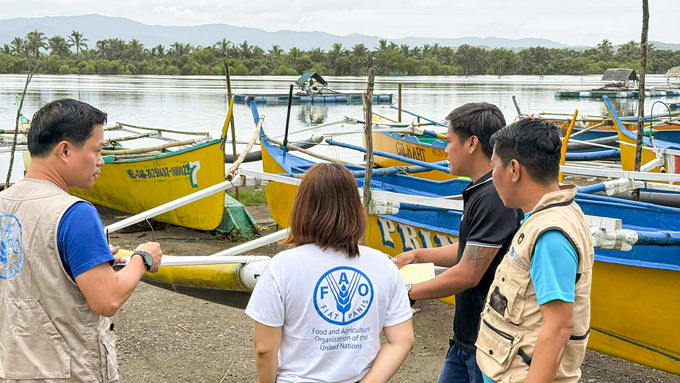
Rome: The world’s rangelands — sweeping grasslands, vast savannas, arid deserts, mist-shrouded mountain pastures and wetlands that cover nearly half of the Earth’s terrestrial surface — are under renewed global scrutiny as the United Nations marks 2026 as the International Year of Rangelands and Pastoralists. The designation aims to spotlight the ecosystems themselves and the communities that have long sustained them, drawing attention to the interwoven challenges of food security, climate resilience and biodiversity preservation. The launch of the year-long campaign was conducted by the Food and Agriculture Organization of the United Nations (FAO), at its Rome headquarters on the sidelines of the 179th session of the FAO Council, with participation from governments, pastoralist representatives, and international observers.
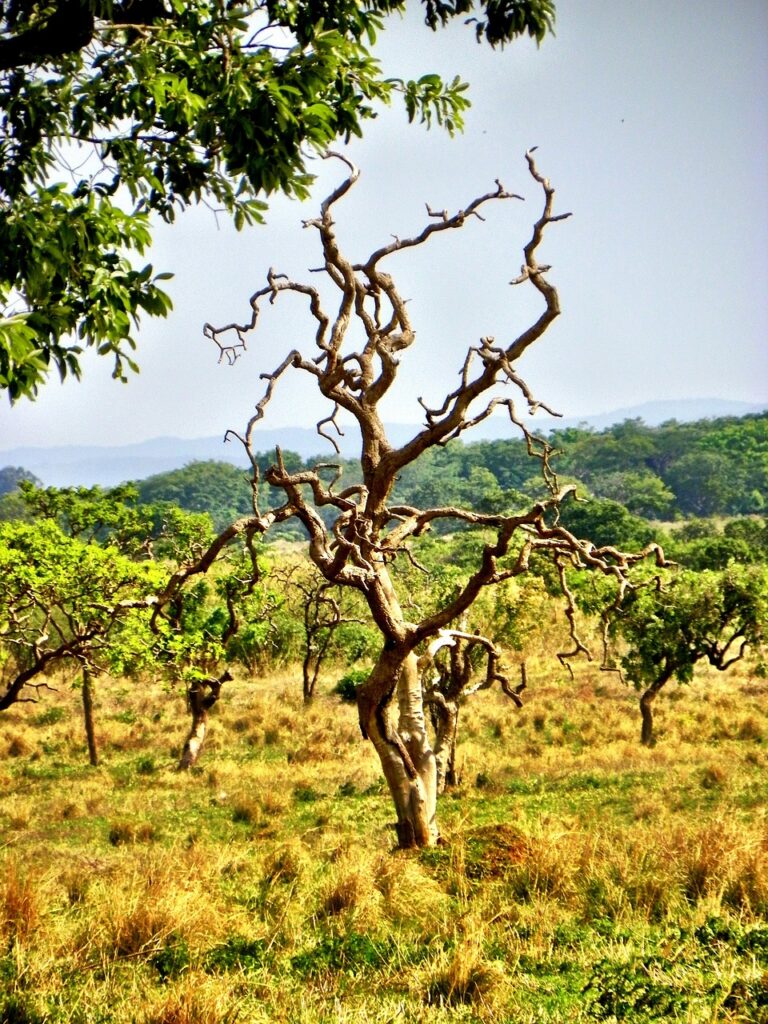
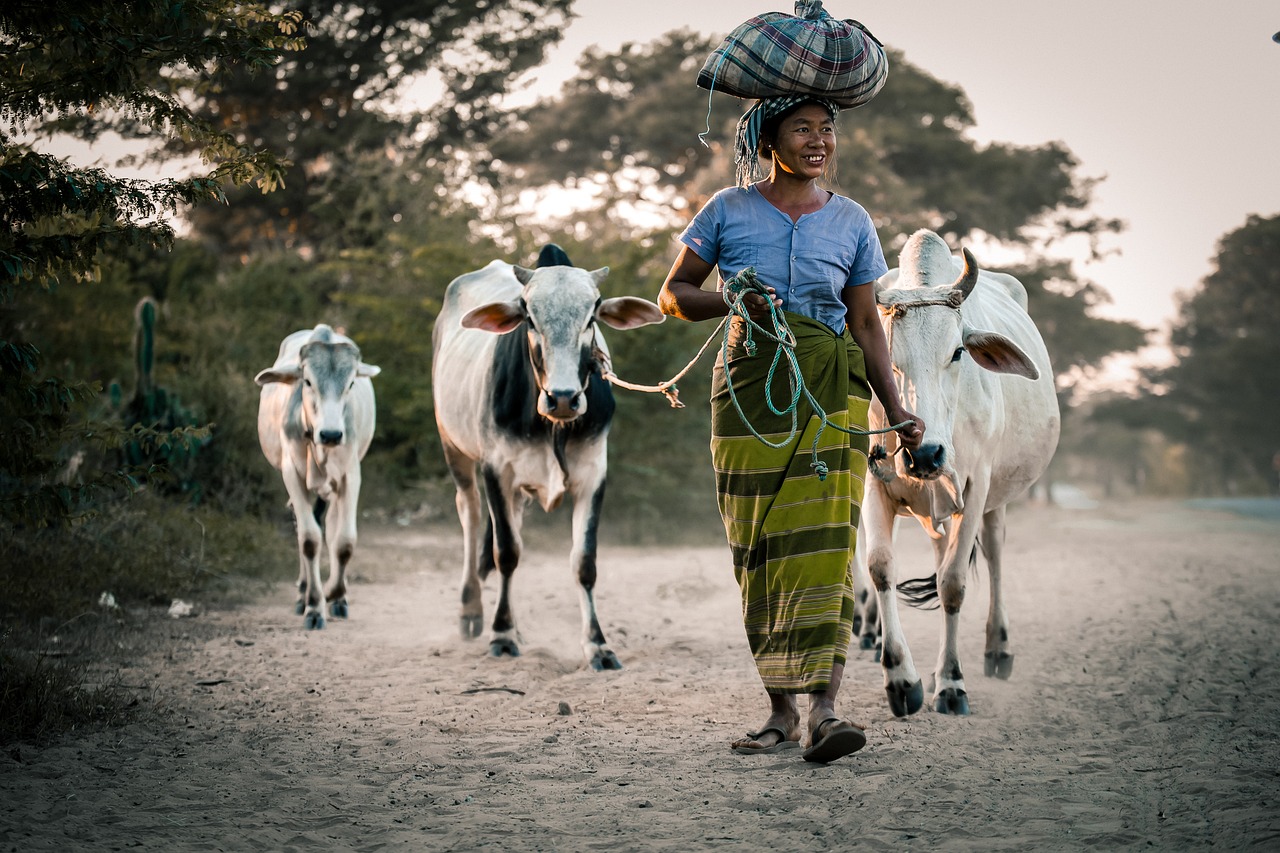
Rangelands, which extend from the steppes of Central Asia to the African savanna, from the Andes in South America to the Alps and Pyrenees in Europe, and across North America’s Great Plains, sustain not only wildlife and ecological balance but also human livelihoods and cultural heritage. Pastoralists, whose lives and movements have shaped these landscapes for generations, manage roughly one billion animals worldwide, including sheep, goats, cattle, camelids, yaks, horses, reindeer and buffalo. Their practices are inseparable from the ecosystems they traverse, maintaining grasslands, preventing soil erosion, and supporting biodiversity. Yet the landscapes and communities are under mounting pressure. Roughly half of global rangelands are degraded, climate extremes threaten mobility, and disease outbreaks and competing land uses limit pastoralists’ traditional grazing practices. These challenges are compounded by the fact that rangelands store about 30 per cent of the planet’s soil organic carbon, making their degradation not only a local or regional issue, but a global concern.
The International Year, endorsed by the United Nations General Assembly in 2022, was spearheaded by Mongolia and supported by sixty member states. FAO, as the lead agency, has committed to demonstrating how rangelands and pastoralists underpin resilient rural economies, sustainable food systems, climate adaptation, and ecosystem preservation. Director-General Qu Dongyu emphasised that the initiative is as much about governance and empowerment as ecology. He underlined the inclusion of women, youth, and pastoralist organisations in decisions shaping land tenure, access, and management, highlighting that their voices are often marginalised in policy-making. The campaign aligns with FAO’s Four Betters framework — better production, better nutrition, better environment, and a better life — aimed at leaving no one behind while sustaining ecosystems and cultural knowledge.
Mongolia offers a telling example of the stakes involved. Vast steppes that have traditionally supported nomadic herders now face desertification and economic pressures from urban migration. President Khurelsukh Ukhnaa observed that the International Year could help Mongolia mitigate land degradation, reduce unemployment, and strengthen rural livelihoods while providing tools to adapt to climate change. Similarly, in Uruguay, where natural grasslands are central to livestock production, Vice-Minister Matias Carambula highlighted ongoing efforts to modernise pastoral systems while maintaining ecological integrity and social equity. In both countries, pastoralist knowledge is central to balancing production, conservation, and cultural preservation, illustrating the nuanced interplay between environment, economy, and society.
FAO’s campaign emphasises four priorities: securing governance and access rights for pastoralist communities, scaling up sustainable rangeland management, strengthening value chains, and restoring degraded ecosystems. Implementation relies on established frameworks, including the Voluntary Guidelines for the Responsible Governance of Tenure, the Improving Governance of Pastoral Lands initiative, and the Global Environment Facility-7 Drylands Sustainable Landscapes Impact Program. The Pastoralist Knowledge Hub serves as both a technical repository and a neutral forum for stakeholders to share practices and coordinate interventions.
Beyond policy, FAO invests in animal and ecosystem health. Its Domestic Animal Diversity Information System monitors breeds crucial to pastoralist livelihoods, while disease control programmes target threats such as peste des petits ruminants, or sheep and goat plague. The agency also recognises globally significant pastoralist systems under its Globally Important Agricultural Heritage Systems programme, including Brazil’s Southern Espinhaço Range, China’s Zhagana Agriculture-Forestry-Animal Husbandry Composite System, Tajikistan’s Almosi Valley, and Tanzania’s Engaresero Maasai Pastoralist Heritage Area.
Across the rangelands of Asia and Africa, the human impact of these pressures is visible in subtle and stark ways. In Mongolia, herders navigate increasingly unpredictable winters and spring droughts, moving their flocks farther and more frequently than previous generations. In the Andes, pastoralist families balance the sale of llama and alpaca fibre with maintaining rotational grazing systems that sustain fragile high-altitude pastures. In East Africa, Maasai communities confront encroachment from agriculture and tourism, as well as recurrent drought, affecting herd composition, milk production, and food security. These examples underscore that pastoralist systems are not isolated curiosities but vital cogs in regional and global food networks.
The campaign’s Rome launch was complemented by a four-day exhibition in the FAO Atrium, featuring photography, interactive displays, cultural performances, and tastings of traditional pastoralist foods. The exhibition aimed to translate technical and policy discussions into tangible experiences, illustrating how pastoralists’ daily practices sustain ecosystems, contribute to nutrition, and preserve cultural heritage.
FAO officials highlighted the fragility of these systems. Without investment, governance, and technical support, degradation could undermine biodiversity, disrupt livelihoods, and weaken the economic resilience of rural communities. Climate change compounds these challenges, with rising temperatures, altered rainfall patterns, and extreme weather events increasingly exceeding local adaptive capacities. Pastoralist knowledge and mobility, the FAO stressed, are essential to sustaining rangelands, yet they risk being overlooked in national and international development plans.
In essence, the International Year reframes pastoralists as active agents of ecological stewardship rather than relics of a bygone era. The campaign seeks to galvanise governments, civil society, and international partners, highlighting that safeguarding rangelands and supporting pastoralist communities is not only an ethical imperative but a practical necessity. The health of these lands and the resilience of the people who manage them may increasingly determine the robustness of global food systems, the preservation of biodiversity, and the effectiveness of climate adaptation strategies.
Through this initiative, FAO aims to underscore that pastoralist knowledge, mobility, and management are central to sustaining some of the planet’s most extensive, complex, and vulnerable ecosystems. In a warming world, the survival of these communities and the landscapes they inhabit is not peripheral; it is intimately linked to global sustainability, food security, and climate resilience.
– global bihari bureau