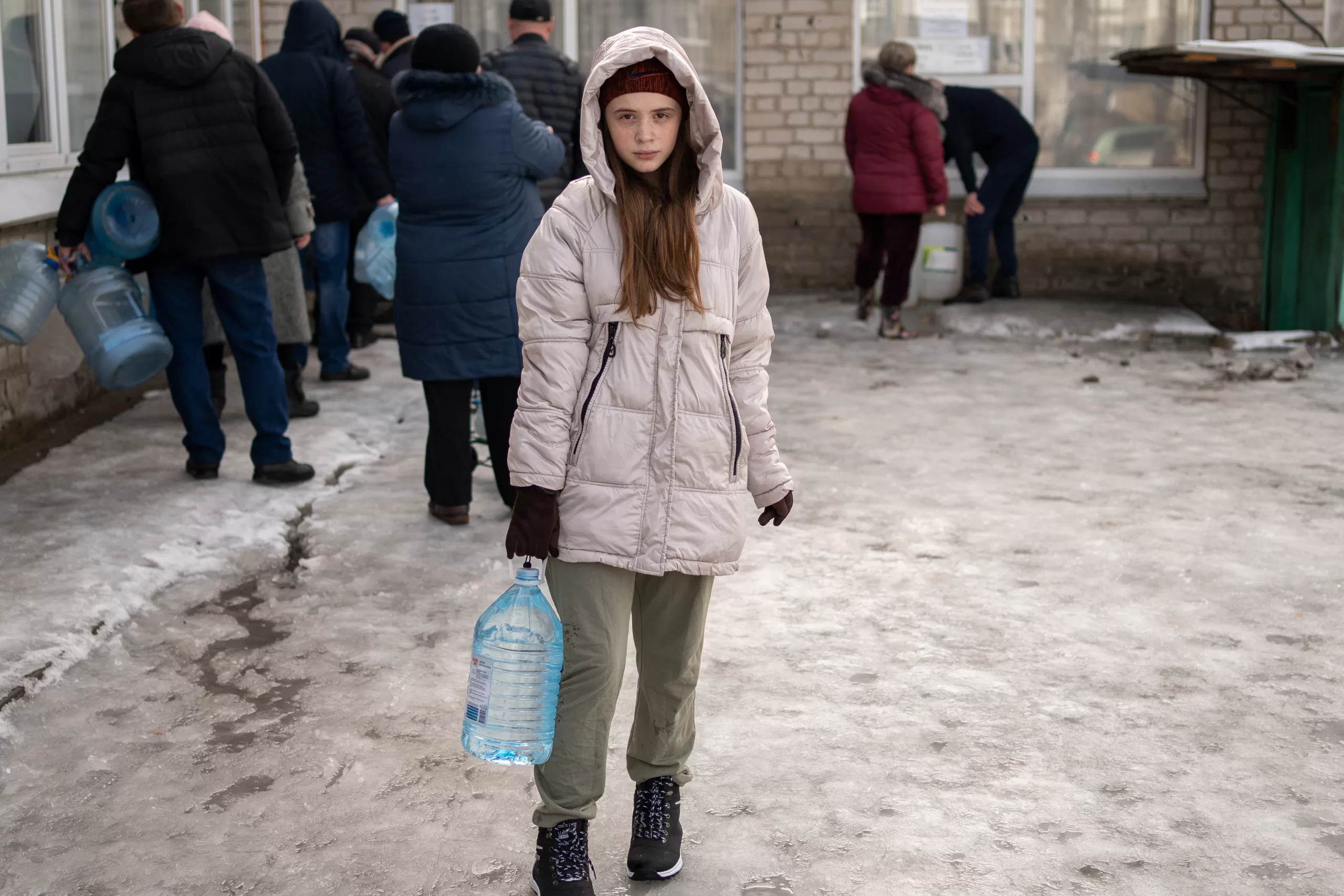
February 19, 2023, Myrnohrad, Donetsk region, Ukraine. 12-year-old Amina. Every day, 12-year-old Amina visits her former school in Myrnohrad in eastern Ukraine. Nowadays, after 12 months of war, she only comes here to collect drinking water. Constant shelling of the frontline city's utility infrastructure has left it without a stable water supply for a year. There are several drinking and utility water points in the city, which help families in the absence of a stable water supply. One of them is a borehole in the yard of Amila's school. “I'd prefer to go to school for studying, not for collecting water,” says Amina, sadly. As the violence in Ukraine continues, many children are struggling to access drinking water. As part of the United Nations Children’s Fund (UNICEF)’s water, sanitation and hygiene (WASH) programme, water supply networks in several districts of Myrnohrad have been reconstructed and drinking water storage tanks have been installed. One year since the war in Ukraine escalated, children are still counting the cost of the violence, with access to education, health care and even drinking water disrupted. UNICEF continues to provide emergency water supplies, restore water and sewerage networks, and set up drinking water points in temporary accommodation centres, healthcare facilities, educational facilities and bomb shelters. Since 24 February, UNICEF has provided access to clean water to more than 4.6 million people in Ukraine. As the violence in Ukraine continues, many children are struggling to access drinking water. Every day, 12-year-old Amina visits her former school in Myrnohrad in eastern Ukraine. Nowadays, after 12 months of war, she only comes here to collect drinking water. Constant shelling of the frontline city's utility infrastructure has left it without a stable water supply for a year. There are several drinking and utility water points in the city, which help families in the absence of a stable water supply. One of One of them is a borehole in the yard of Amila's school. Photo: UNICEF/UN0795214/Aleksey Filippov
 Geneva/New York: As World Water Week 2025 convenes experts to tackle global water challenges, a comprehensive report released today by the World Health Organization (WHO) and UNICEF exposes the enduring gaps in access to safe drinking water, sanitation, and hygiene (WASH) services worldwide. Titled “Progress on Household Drinking Water and Sanitation 2000–2024: Special Focus on Inequalities,” the report, produced by the WHO/UNICEF Joint Monitoring Programme (JMP), reveals that despite a decade of progress, 2.1 billion people—one in four globally—lack safely managed drinking water, 3.4 billion lack safely managed sanitation, and 1.7 billion lack basic hygiene services. These deficits, starkest in low-income countries, fragile contexts, rural areas, and among women, girls, and marginalised groups, threaten the 2030 Sustainable Development Goals (SDGs) for universal WASH access.
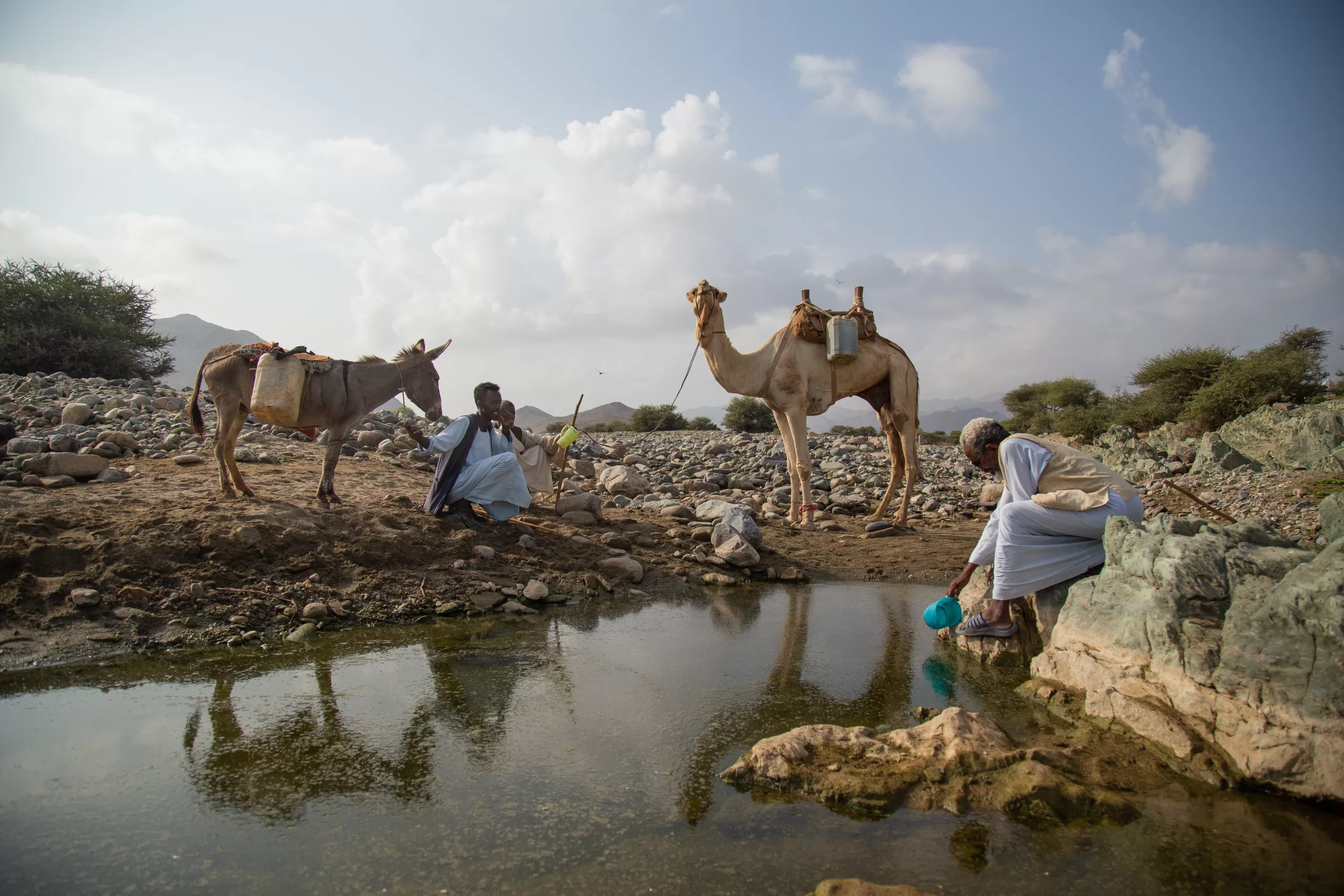
Globally, 106 million people still drink untreated surface water, exposing them to waterborne diseases, while 354 million practice open defecation, perpetuating health risks and social exclusion. Another 611 million lack any hygiene facilities at home. The report highlights that least developed countries face the steepest barriers: residents are over twice as likely to lack basic water and sanitation and three times as likely to lack basic hygiene compared to other nations. Low-income countries report open defecation rates four times the global average, and they are the only income group not on track to eliminate the practice by 2030.
Global Water Gaps Widen in Vulnerable Regions
2.1B Lack Safe Water, Gender Gaps Persist
Fragile Areas Lag in WASH, SDGs at Risk
Inequalities Stall Global Water Progress
Regionally, disparities are pronounced. Australia and New Zealand have achieved universal access (over 99%) to basic drinking water and sanitation, and Eastern and South-Eastern Asia is on pace to reach universal basic sanitation by 2030 with tripled efforts. Latin America and the Caribbean is similarly poised to meet basic water access targets with accelerated progress. However, no SDG region is on track for universal safely managed services—requiring an eightfold increase in water and a sixfold increase in sanitation globally. Sub-Saharan Africa faces acute challenges, with only 30% of the population accessing safely managed drinking water and 20% accessing safely managed sanitation in 2024, compared to 83% and 66% in urban areas globally. Central and Southern Asia also lags, particularly in rural zones, where only 50% have safely managed water, up from 40% in 2015. Data coverage has improved, with estimates for safely managed drinking water now spanning 160 countries (72% of the global population) and sanitation covering 145 countries (86%), but gaps in hygiene data—available for 91 countries and 71% of the population—hinder comprehensive monitoring.
Fragile contexts, defined by the OECD as areas with high risk and low coping capacity across economic, environmental, human, political, security, and societal dimensions, face particularly severe WASH shortfalls. Safely managed drinking water coverage in these areas is 38 percentage points lower than in stable regions, sanitation trails by 33 points, and basic hygiene by 37 points. In 2024, only 35% of people in fragile contexts had safely managed water, compared to 73% globally, and just 25% had safely managed sanitation, against 58% worldwide. These regions, often marked by conflict or economic instability, struggle with infrastructure deficits and disrupted services, leaving populations vulnerable to disease and displacement. Subnational data further reveal that within fragile contexts, rural areas and marginalised ethnic or indigenous groups face even lower access, compounding their exclusion.
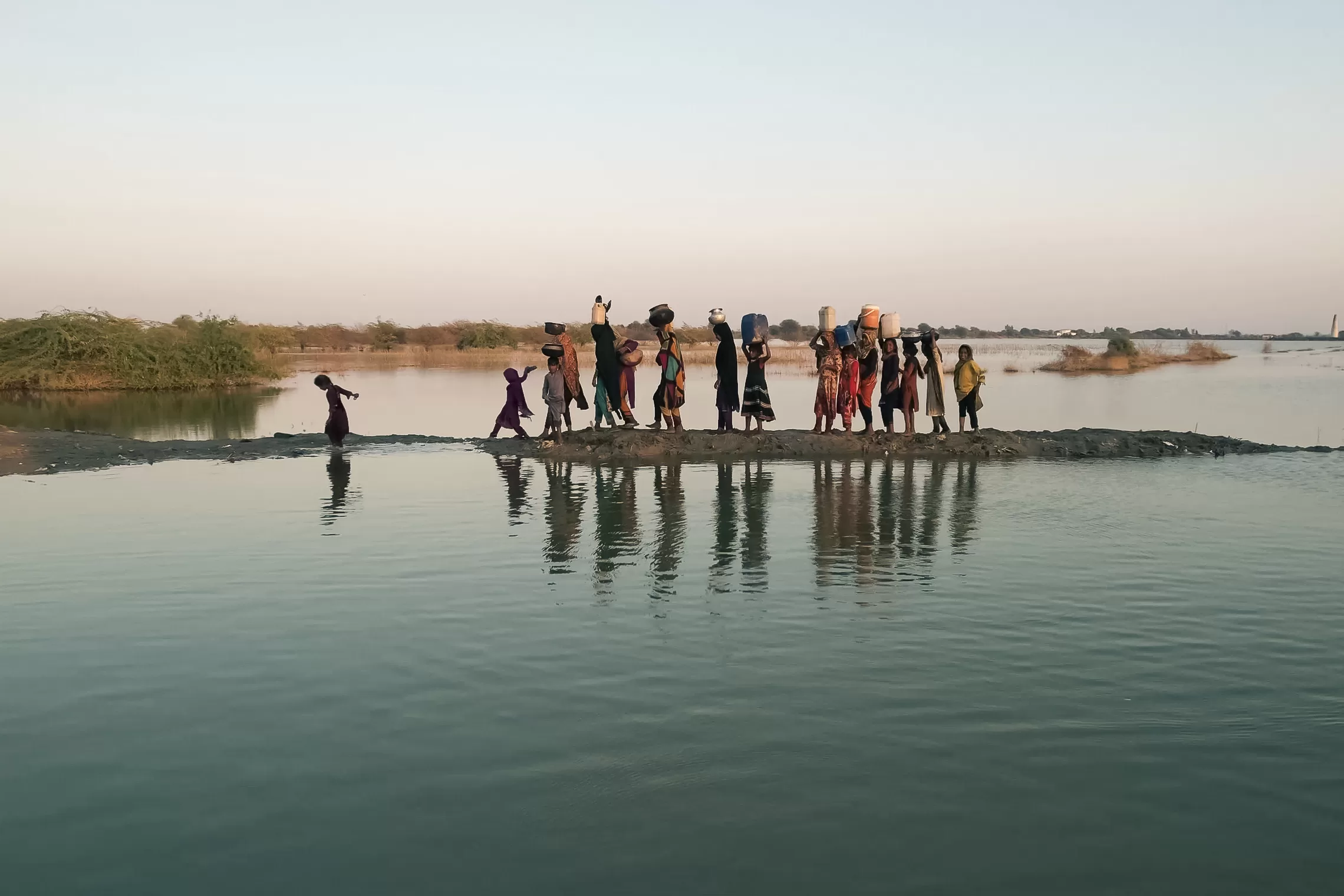
Gender inequalities add a critical dimension to the crisis. Data from 70 countries show that women and girls, particularly in sub-Saharan Africa and Central and Southern Asia, are primarily responsible for water collection, often spending over 30 minutes daily on the task. This burden, especially in rural areas, limits their time for education, work, or social activities, perpetuating cycles of disadvantage. The report’s expanded menstrual health data, covering adolescent girls and women aged 15-49 across seven SDG regions, reveal further challenges. While most have access to menstrual materials and private spaces to change, many lack sufficient materials to change as frequently as needed, particularly in low-income countries and rural settings where reusable materials dominate and improved water sources are scarce. Adolescent girls aged 15-19 are significantly less likely than women aged 20-49 to participate in school, work, or social activities during menstruation, with regional variations showing sharper restrictions in sub-Saharan Africa and parts of Asia. These barriers, coupled with limited access to pain management or medical support, underscore the intersection of WASH and gender equity.
Progress since 2015 provides some optimism. Globally, 961 million people have gained safely managed drinking water, lifting coverage from 68% to 74%, with rural areas rising from 50% to 60%. Sanitation access has expanded for 1.2 billion, increasing coverage from 48% to 58%, and open defecation has dropped by 429 million, nearly eliminated in urban areas. Basic hygiene services have reached 1.6 billion more people, boosting coverage from 66% to 80%, with rural gains from 52% to 71%. The number of people using surface water for drinking has fallen by 61 million. In 2024, 89 countries achieved universal basic water access, 64 reached universal basic sanitation, and four attained universal basic hygiene. Nine countries have universal safely managed sanitation, and 31 have it for water, with projections indicating 38 and 18 countries, respectively, could achieve this by 2030 if trends continue.
Yet, these gains are uneven and insufficient. Achieving universal basic WASH services (SDG 1.4) demands doubled progress in lower-middle-income countries and a sevenfold increase for water and 18-fold for sanitation and hygiene in low-income ones. Universal safely managed services (SDG 6.1 and 6.2) require even steeper accelerations. Subnational disparities highlight further challenges: access varies widely between urban and rural areas, wealth quintiles, and ethnic or indigenous groups. Emerging data show lower WASH access in roadless communities, certain household types, and among individuals with disabilities, underscoring the need for targeted interventions.
Dr. Ruediger Krech, acting director of environment, climate change, and health at WHO, stressed the urgency of addressing these gaps. “Safe water, sanitation, and hygiene are not luxuries—they are human rights essential for health and dignity. We must prioritise the most marginalised to fulfil our global commitments,” he said.
Cecilia Scharp, UNICEF’s director of WASH, highlighted the impact on children and girls. “Inadequate WASH services rob children of health, education, and opportunity, with girls bearing a disproportionate burden through water collection and menstrual barriers. We need urgent, bold action to ensure no child is left behind,” she said.
Launched during World Water Week, August 24-28, the report galvanises stakeholders to accelerate SDG progress. With five years remaining to meet 2030 targets, the findings emphasise that without intensified efforts—particularly in fragile contexts, rural areas, and for women and girls—universal WASH access will remain elusive, perpetuating health risks and inequalities for billions.
– global bihari bureau