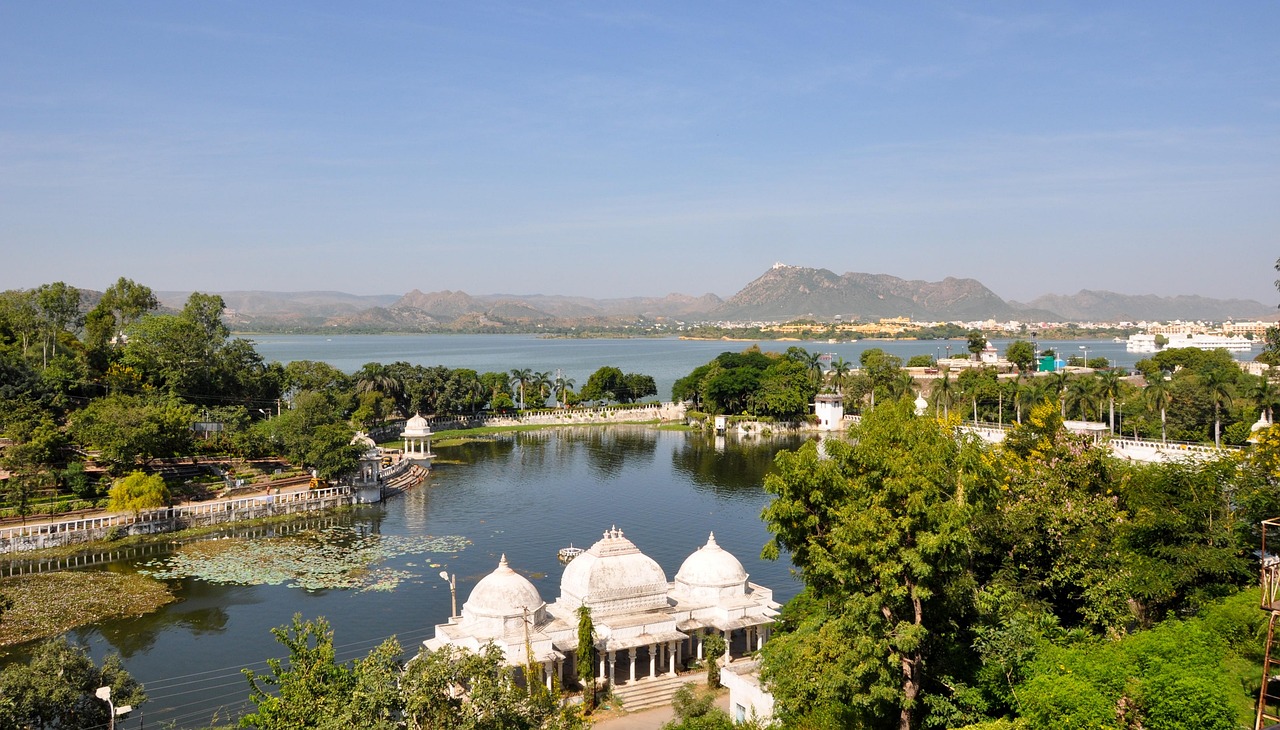
Lake Pichola, Udaipur
NCAP, Ramsar Honour 13 Cities for Cleaner Air, Wetlands
New Delhi: In Indore, children breathe easier today because their city planted 16 million trees, earning a global record and cleaner skies. In Udaipur, fishermen thrive as protected lakes sustain their livelihoods. Across India, communities in 11 cities are transforming their air quality, while two cities lead in safeguarding wetlands, proving that local efforts can change lives.
These achievements were celebrated through the Swachh Vayu Sarvekshan, part of the National Clean Air Programme (NCAP), which rewards cities for fighting pollution, and the Ramsar Convention’s Wetland City Accreditation, honouring urban wetland conservation. “This is about giving every citizen cleaner air and a sustainable future,” said Union Minister Bhupender Yadav at a ceremony in New Delhi on September 9, 2025.
Sparked by the Prime Minister’s 2020 call to curb pollution in 100 cities (now 130), the NCAP has helped 103 cities improve air quality, with 64 cutting PM10 levels by 20% and 25 by 40% since 2017-18. The Swachh Vayu Sarvekshan evaluates 130 cities on efforts like controlling road dust, managing waste, and reducing vehicle and industrial emissions. In Category 1 (cities over 1 million), Indore topped with a perfect 200/200 score, winning Rs. 1.5 crore for its tree-planting feat—a Guinness World Record—and running 120 electric and 150 compressed natural gas (CNG) buses, making streets safer for kids like those playing in local parks. Jabalpur, scoring 199/200, earned Rs. 1 crore for its 11-megawatt waste-to-energy plant, turning trash into power, and new green spaces. Agra and Surat, both at 196/200, received Rs. 25 lakh each; Agra cleared old waste dumps, planting dense Miyawaki forests, while Surat’s electric vehicle (EV) incentives and 38% green cover help residents breathe easier.
In Category 2 (300,000 to 1 million people), Amravati scored 200/200, securing Rs. 75 lakh for paving 340 kilometres of roads to cut dust, greening 53 gardens, and turning 19 acres of barren land into forest, offering new spaces for families. Jhansi and Moradabad, at 198.5/200, got Rs. 25 lakh each for urban forests and waste management, respectively, easing life for shopkeepers and workers. Alwar, with 197.6/200, earned Rs. 25 lakh for clearing waste dumps. In Category 3 (under 300,000), Dewas led with 193/200, winning Rs. 37.5 lakh for switching industries to cleaner fuels, protecting factory workers’ health. Parwanoo (191.5/200, Rs. 25 lakh) paved roads to reduce dust, and Angul (191/200, Rs. 12.5 lakh) improved roads and engaged communities, inspiring residents like local teachers to spread awareness. Mayors, district collectors, and municipal commissioners collected the awards. Yadav praised Moradabad and Agra as three-time winners, Indore, Jabalpur, Surat, Jhansi, Dewas, Parwanoo, and Angul as two-time winners, and Alwar as a new champion.
The government has invested Rs. 20,130 crore in 130 NCAP cities, including Rs. 13,237 crore in performance-based grants since 2019-20. Another Rs. 73,350 crore from schemes like Swachh Bharat Mission (Urban), Atal Mission for Rejuvenation and Urban Transformation (AMRUT), Smart City Mission, Sustainable and Alternative Transport for Affordable Transformation (SATAT), Faster Adoption and Manufacturing of Electric Vehicles (FAME-II), and Nagar Van Yojana, plus Rs. 82,000 crore from states and local bodies, totals Rs. 1.55 lakh crore for cleaner air and green spaces. Yadav highlighted a circular economy approach, recycling waste to protect neighbourhoods from pollution.
New Ward-Level Swachh Vayu Sarvekshan Guidelines will extend clean air efforts to local wards, encouraging residents, like street vendors, to join the fight. A Compendium of Best Practices under NCAP shares city strategies, helping others replicate successes. The PRANA portal tracks progress transparently, empowering citizens to monitor their cities. India plans to plant 750 million trees from September 17 to October 2, 2025, under Ek Ped Maa ke Naam and create 75 urban forests via Nagar Van Yojana, giving families more places to enjoy nature.
India’s 91 Ramsar wetland sites, up from 25 in 2014, span 1.36 million hectares, leading Asia and ranking third globally. Wetlands support fishermen, control floods, and preserve cultural heritage, acting as nature’s filters. Indore and Udaipur’s Ramsar Wetland City status, with certificates awarded to their officials, recognises their work in protecting urban lakes, benefiting communities like Udaipur’s lakeside artisans. Yadav lauded Indore as India’s cleanest city consistently. The Prime Minister’s Mission Amrit Sarovar rejuvenates waterbodies, while Mission LiFE promotes sustainable living, including water conservation, for every household.
Yadav called for continued efforts to ensure clean air and thriving ecosystems, aligning with the Prime Minister’s vision. The event included the Ministry Secretary, the Chairperson of the Commission for Air Quality Management in the National Capital Region (NCR) and Adjoining Areas, and officials from the Central Pollution Control Board and State Pollution Control Boards.
– global bihari bureau