Photo: @Anu_World1|X
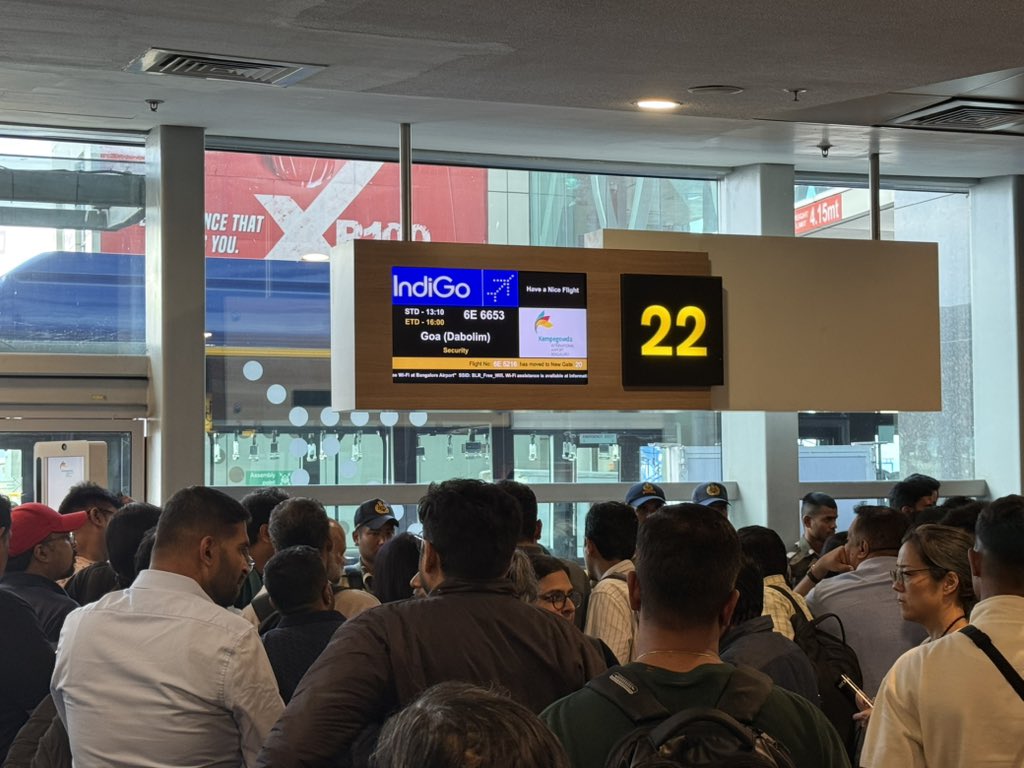
New Delhi: IndiGo’s operational meltdown persisted into its fifth day on December 6, 2025, with more than 800 flights cancelled nationwide, stranding thousands at airports from Bengaluru to Mumbai, as the Ministry of Civil Aviation ordered the carrier to finalise all passenger refunds by 8:00 PM today and imposed emergency fare limits to rein in price spikes. The Directorate General of Civil Aviation issued a show-cause notice to CEO Pieter Elbers on December 6, citing “severe mismanagement” of pilot rosters under new fatigue regulations, while a four-member panel launches an inquiry into the disruptions that have grounded over 2,100 flights since late November. The airline, which together with the Air India group now forms a near-duopoly controlling over 85% of India’s domestic market following recent consolidation, projects a return to full schedules between December 10 and 15, but passenger protests and union backlash highlight deepening safety concerns.
The latest wave of cancellations on December 6—ranging from 385 to over 800 per varying airport tallies—eclipsed the prior day’s record of more than 1,000 axed flights, with Bengaluru reporting 124 disruptions, Mumbai 109, New Delhi 86, and Hyderabad 66. Delhi’s airport authority noted that while operations are “steadily resuming,” IndiGo services remain the hardest hit, forcing travellers to endure long queues, jammed helplines, and alternative scrambles via packed trains or surging cab rates. Social media overflowed with accounts of upended holidays, missed medical visits, and even diplomats attending events remotely, amplifying calls for accountability from the low-cost giant.
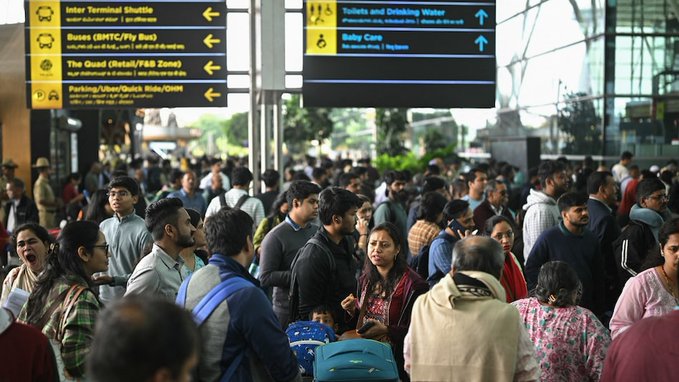
Civil Aviation Minister K. Ram Mohan Naidu, addressing the crisis on December 6, pinned the blame squarely on IndiGo’s “internal miscalculation” in anticipating crew needs under the November-enforced Flight Duty Time Limitations (FDTL), which cap night shifts and mandate weekly rests to combat pilot exhaustion. In a swift pivot, the ministry granted temporary exemptions from the rest clause until February 10, 2026, to unlock stranded aircraft, but pilot associations decried the rollback as a dangerous concession to commercial pressures. “This isn’t relief—it’s a safety shortcut,” said a union spokesperson, echoing fears that the concessions could erode long-fought gains in aviation standards.
To shield consumers from the fallout, the ministry’s directives—issued December 6—demand automatic refunds to original payment methods for all affected bookings, with no fees for rescheduling through December 15. IndiGo must deploy dedicated support teams to reach out proactively, resolving complaints and arranging hotels or ground transport without endless follow-ups. Baggage mishaps, a frequent grievance, now carry a 48-hour delivery mandate to passengers’ doorsteps, complete with tracking and compensation where warranted. Oversight prioritises vulnerable groups, including seniors, students, the disabled, and urgent medical cases, under a “zero-inconvenience” framework involving airports and security agencies.
The scramble also triggered a rare reimposition of fare ceilings, the first since the COVID era, capping economy tickets on nonstop domestic routes: ₹7,500 for journeys under 500 km, ₹12,000 up to 1,000 km, ₹15,000 to 1,500 km, and ₹18,000 beyond—exempting business and regional subsidised flights until stability returns. These limits, enforced via real-time data from airlines and booking sites, aim to thwart “opportunistic hikes” that saw Delhi-Mumbai fares balloon to ₹65,000 from norms of ₹5,000-₹10,000. Competitors like Air India preemptively aligned with caps from December 4, while platforms such as ixigo waived service charges on disrupted itineraries.
Bolstering ground options, Indian Railways rolled out 89 special trains—totalling over 100 runs—from December 6 through 8, targeting high-traffic links like Delhi-Mumbai (six extra trips via North Eastern Railway), Pune-Bengaluru, and Howrah-Chennai. Central Railway alone added 14 services, including Lokmanya Tilak Terminus to Lucknow and Gorakhpur, with 116 extra coaches on 37 routes to handle an influx of 489,000-plus passengers fleeing the skies.
IndiGo, in a December 6 statement, described the cuts as a “deliberate system reboot” to recalibrate rosters amid the FDTL squeeze, vowing to slash cancellations further and extend waivers on change fees. Elbers, responding to the notice, reiterated apologies for the “immense distress” and credited ground crews for the uptick to 1,500 daily flights and 95% network restoration across 135 destinations. Yet, with the probe looming, questions swirl over the carrier’s high-frequency model and its reliance on a thin pilot margin, exposing cracks in a sector long criticised for duopoly dominance.
Critics—including opposition leaders like Rahul Gandhi—smell deeper issues, such as inadequate planning despite two years of warnings or cosy ties between regulators and the carrier. MoCA’s deadline for full refunds by 8 PM today is a win for passengers, but trust rebuild?
As the December holiday rush collides with this turmoil, experts urge antitrust scrutiny and infrastructure diversification to fortify resilience. Affected travellers should monitor apps or dial the DGCA helpline at 1800-11-3333 for updates, with refunds auto-processing in 3-5 days post-deadline.
– global bihari bureau