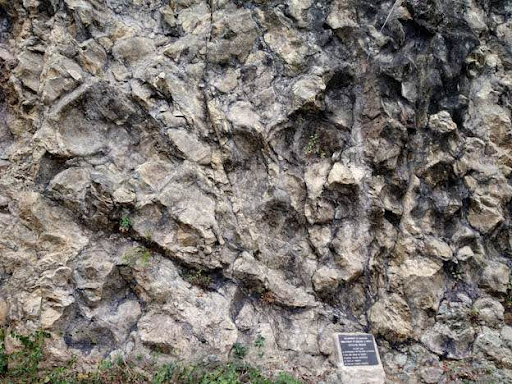
Naga Hill Ophiolite
Deccan to Varkala: New Heritage Sites in Spotlight
New Delhi: Nestled within the vast tapestry of India’s diverse landscapes, from the rugged Deccan plateaus to the misty Meghalaya hills and the sun-kissed Kerala cliffs, seven breathtaking natural wonders have just earned a spot on UNESCO’s Tentative List of World Heritage Sites.
Inclusion on the Tentative List is a mandatory step for sites seeking UNESCO World Heritage status, positioning these locations for future nominations. The latest additions swell India’s tally from 62 to 69 properties under consideration, the Ministry of Culture stated here today. The updated list includes 49 cultural, 17 natural, and 3 mixed heritage sites, advancing India’s bid for global recognition of its geological and ecological assets.
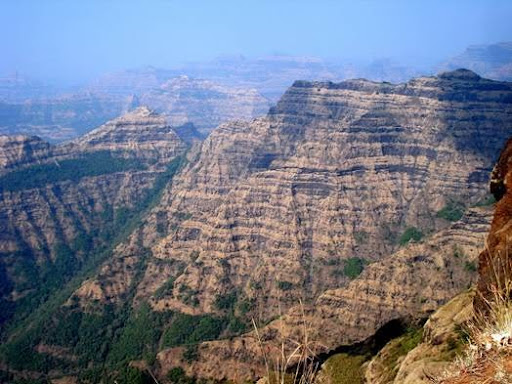
The newly added sites span diverse regions and geological features. In Maharashtra, the Deccan Traps at Panchgani and Mahabaleshwar, located within the Koyna Wildlife Sanctuary—a UNESCO World Heritage Site—contain well-preserved lava flows from ancient volcanic activity. These traps whisper tales of cataclysmic eruptions millions of years ago, drawing geologists who pore over the layered basalt like pages in a prehistoric book.
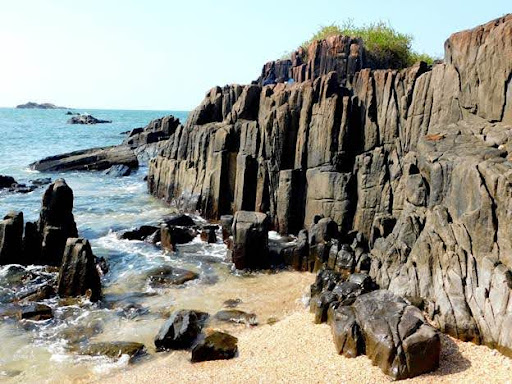
The Geological Heritage of Karnataka’s St. Mary’s Island Cluster rises from the Arabian Sea, its bizarre columnar basaltic formations a frozen snapshot from the Late Cretaceous, around 85 million years old, offering insights into Earth’s geological past. Picture families picnicking on these hexagonal pillars, unaware they’re treading on rocks that hold clues to the dinosaurs’ final days.
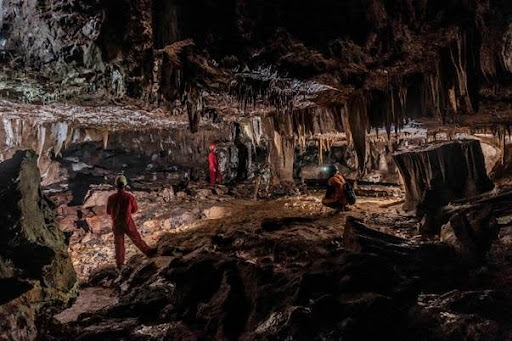
In Meghalaya, the Meghalayan Age Caves, notably Mawmluh Cave, serve as the global reference point for documenting critical climate and geological shifts. These subterranean labyrinths, dripping with stalactites and echoing with the drip of ancient waters, define the Meghalayan Age in the Holocene Epoch, capturing pivotal shifts in climate and geology that shaped human history. Local cavers, descendants of the Khasi tribes, have long navigated these depths, their knowledge now blending with international expertise to safeguard this underground wonder.
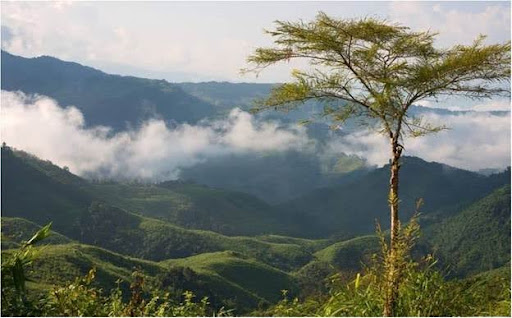
In Nagaland’s rugged Naga Hill Ophiolite, the story turns tectonic: these rare outcrops of oceanic crust thrust onto continental plates reveal the fiery birth of mountains and the dance of mid-ocean ridges, a living classroom for understanding Earth’s restless core.
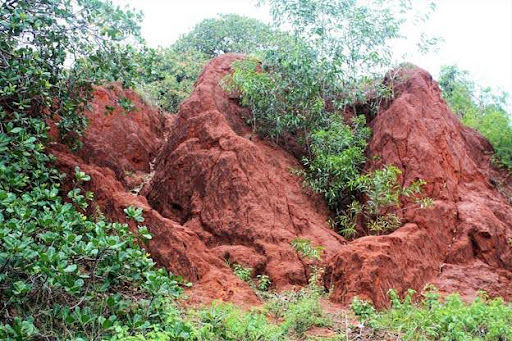
Down south in Andhra Pradesh, the Erra Matti Dibbalu, or Red Sand Hills, near Visakhapatnam, paint the coastline in vivid crimson, their undulating dunes a canvas of paleo-climatic secrets.
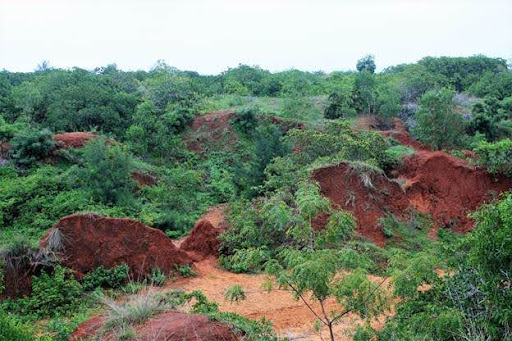
These formations, sculpted by wind and wave over aeons, offer a window into ancient weather patterns and coastal evolution, where beachgoers might stumble upon fossils that connect them to a warmer, wilder past.
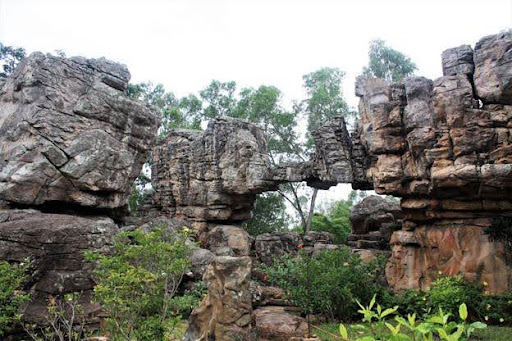
Not far away, also in Andhra Pradesh, the Natural Heritage of Tirumala Hills cradles the Eparchaean Unconformity and the awe-inspiring Silathoranam Natural Arch, a geological bridge spanning over 1.5 billion years. Pilgrims ascending these sacred slopes for darshan at the Tirupati temple now share the path with researchers marvelling at rock layers that chronicle the planet’s infancy.
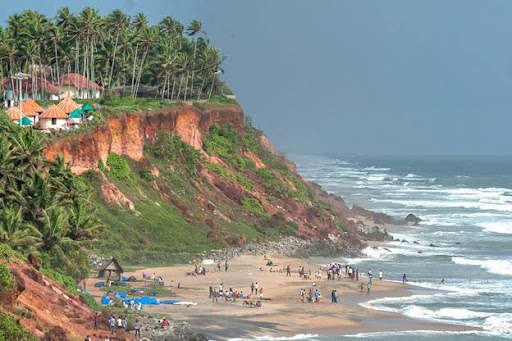
Finally, Kerala’s Varkala Cliffs plunge dramatically into the sea, their Laterite bluffs exposing the Warkalli Formation from the Mio-Pliocene era, complete with therapeutic natural springs and intricate erosional sculptures.
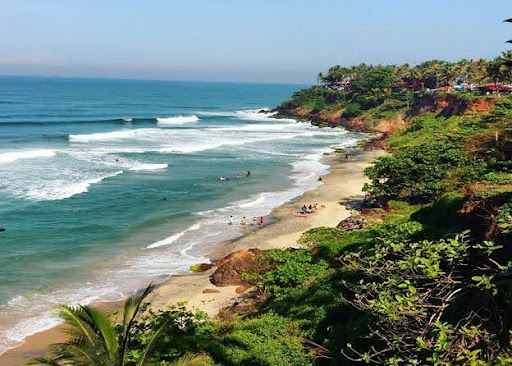
Here, yoga enthusiasts and sunbathers alike bask in the therapeutic springs, while geologists trace the lines of ancient shorelines etched into the cliffs.
This inclusion isn’t just bureaucratic—it’s a lifeline for these sites, ensuring sustainable management that benefits the villagers, tribal communities, and wildlife that call them home.
The Archaeological Survey of India (ASI), the nodal agency for India’s World Heritage Convention obligations, compiled and submitted these nominations, earning recognition from India’s Permanent Representative to UNESCO in Paris. The inclusion strengthens India’s efforts to integrate its natural sites into global conservation frameworks, potentially boosting eco-tourism and local economies. In July 2024, India hosted the 46th Session of the World Heritage Committee in New Delhi, attended by over 2,000 delegates from more than 140 countries, highlighting its role in international heritage preservation.
These additions position India to pursue full World Heritage status for the sites, aligning with national priorities to protect and promote its natural and cultural legacy while fostering sustainable development in the regions.
– global bihari bureau