New Delhi: The Indian Army is pushing the boundaries of modern warfare, conducting extensive trials of next-generation defence technologies across the country’s premier testing grounds. From the sun-scorched sands of Pokhran Field Firing Ranges to the rugged terrains of Joshimath, and from Babina to the dedicated air defence testing sites in Agra and Gopalpur, the Army is rigorously evaluating a suite of advanced systems under simulated combat conditions. These trials, infused with electronic warfare simulations, are designed to stress-test cutting-edge platforms, ensuring they meet the demands of evolving battlefield scenarios.
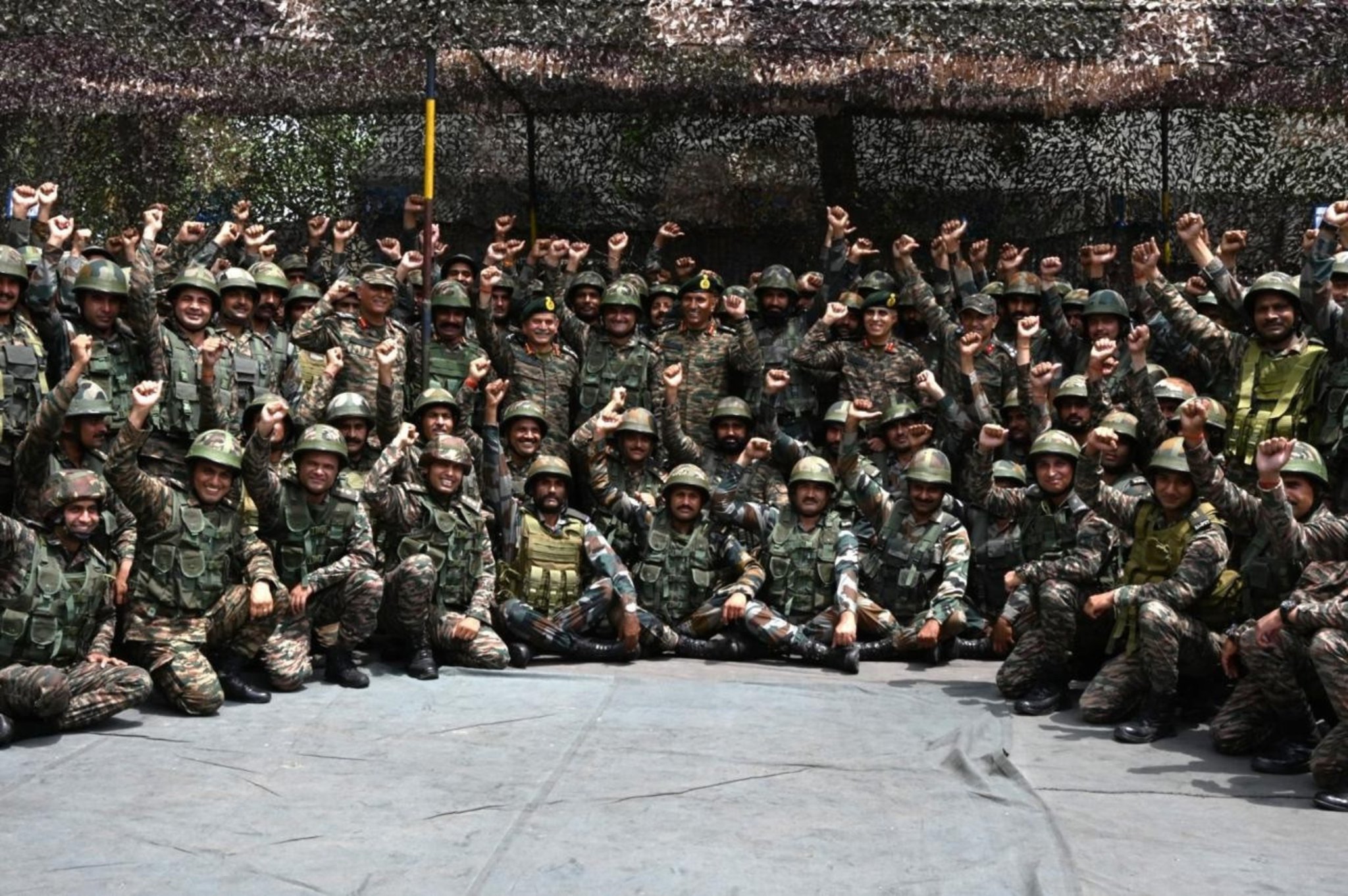
On May 31, 2025, General Upendra Dwivedi, Chief of the Army Staff, reviewed operational preparedness in Jammu & Kashmir’s Paragwal Sector and visited the Tiger Division, where he commended troops for their outstanding performance in Operation Sindoor. He stressed the critical importance of remaining agile and responsive to the constantly evolving security landscape, reiterating the need for continuous vigilance, operational preparedness, and institutional resilience. The COAS also praised the Border Security Force‘s close operational integration with the army and lauded the bravery of Assistant Commandant Neha Bhandari and her team for defending forward posts in the Akhnoor Sector. He also acknowledged the valuable contribution of ex-servicemen in supporting the armed forces during Operation Sindoor.
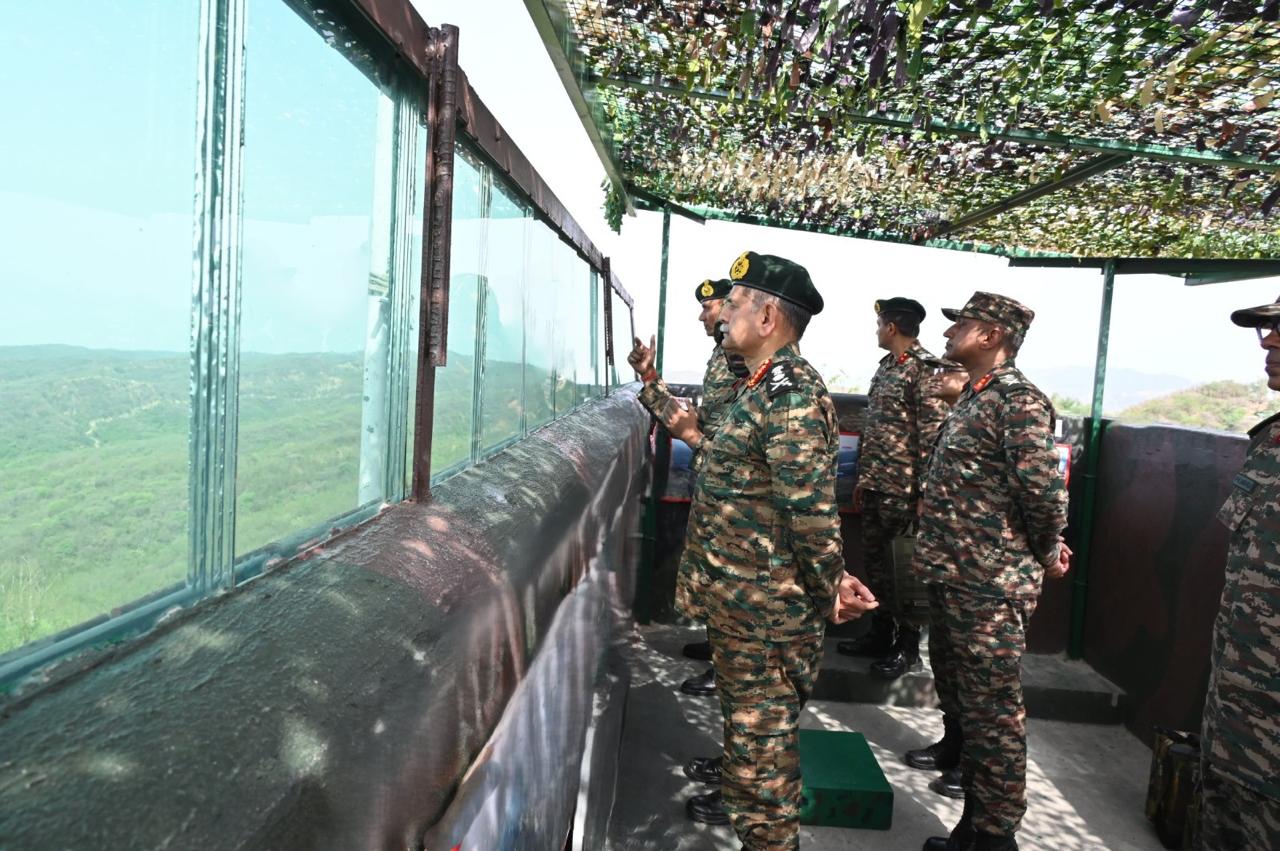
Earlier, the General visited forward areas and posts along the Sunderbani sector in Jammu & Kashmir on May 30, 2025 to assess the operational readiness of the units and formations in the region. During the visit, he was briefed by the Formation Commanders on the prevailing security scenario and the operational dynamics along the Line of Control, providing a comprehensive overview of the current strategic environment.
On May 27, 2025, General Upendra Dwivedi, Chief of the Army Staff, visited the Babina Field Firing Ranges to review the ongoing Capacity Development Demonstrations. Engaging with stakeholders, including a host of defence industry partners, he underscored the trials’ importance in shaping the Army’s technological future. The demonstrations, a cornerstone of the Army’s “Decade of Transformation,” are a testament to India’s commitment to self-reliance under the Aatmanirbhar Bharat initiative, fostering synergy between the military and domestic manufacturers.
The trials showcase an impressive array of indigenous innovations. Unmanned Aerial Systems (UAS) and Runway Independent Remotely Piloted Aerial Systems are being tested for their agility and operational versatility. UAV-launched Precision-Guided Munitions and Precision Multi Munition Delivery Systems are under scrutiny for their accuracy in dynamic combat environments. Loitering munitions, capable of lingering over targets before striking, are being evaluated alongside Specialised Vertical Launch Drones, which promise enhanced tactical flexibility. The Integrated Drone Detection and Interdiction System is being put through its paces to counter rogue drones, while Counter-UAS Solutions aim to neutralise aerial threats. Low-Level Light Weight Radars, and the Next-Generation Very Short Range Air Defence Systems (VSHORADS) Infrared Systems are also in the spotlight, designed to bolster air defence capabilities. Electronic Warfare Platforms, critical for disrupting enemy communications, round out the trials, showcasing India’s growing prowess in this domain.
These evaluations are more than just tests; they are a bold step toward strengthening the Indian Army’s technological edge, the Defence Ministry stated. By integrating emerging technologies into its arsenal, the Army is enhancing its operational readiness and reaffirming its commitment to indigenous innovation. As the trials continue, they signal India’s resolve to build a self-reliant defence ecosystem, ready to meet the challenges of modern warfare with homegrown solutions.
– global bihari bureau