Scindia Pushes Global Digital Shift at GSR 2025
Jeddah: India called on global regulators to rethink their role, urging them to foster digital growth and trust rather than just enforce rules, a move that could shape a more inclusive and innovative digital future for billions.
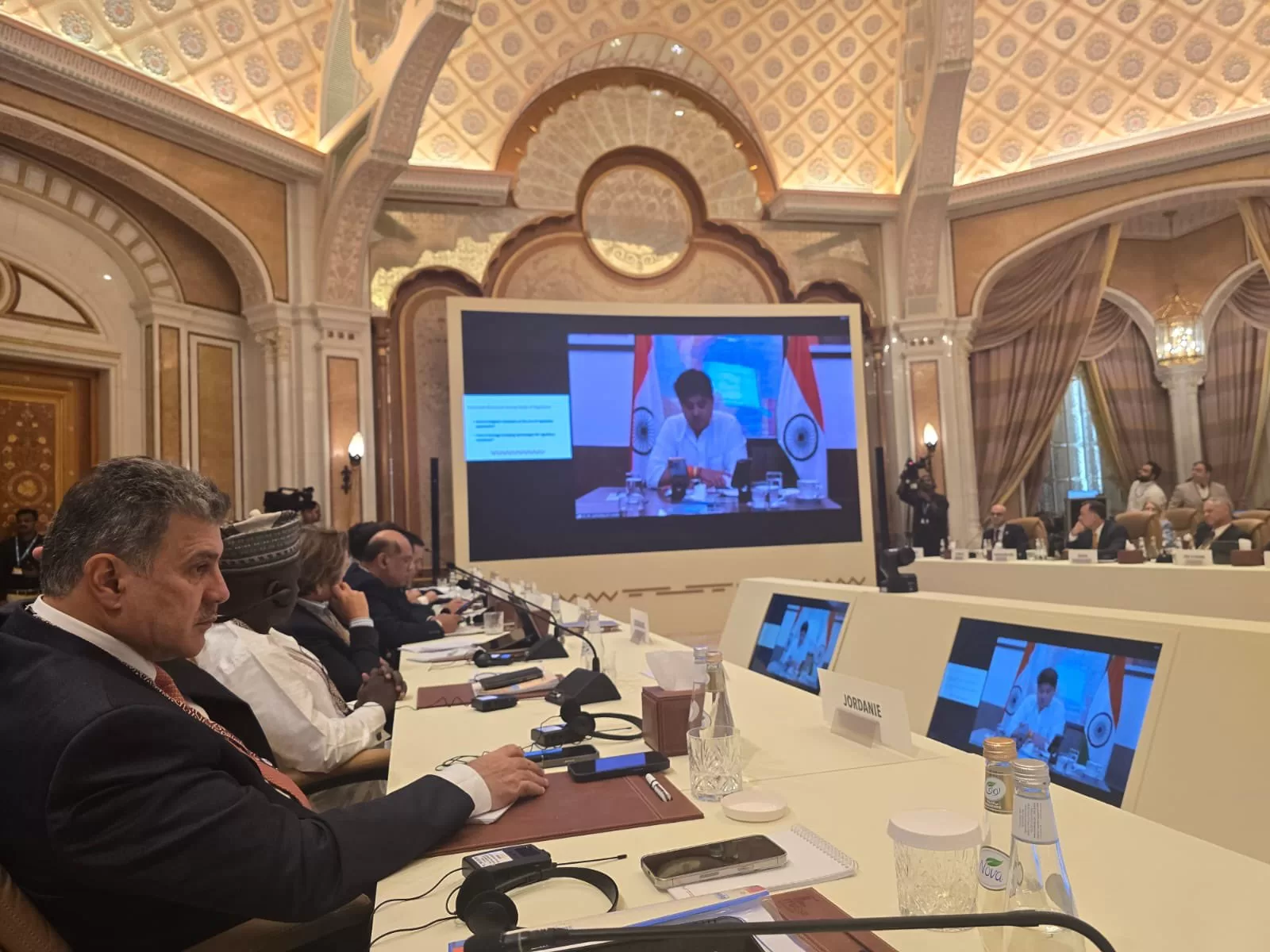
Speaking virtually at the International Telecommunication Union’s Global Symposium for Regulators (GSR) 2025, held in Riyadh, Saudi Arabia, from August 31 to September 3, Union Minister of Communications Jyotiraditya M. Scindia shared this vision at a high-level Executive Roundtable themed “What does it take for regulators to become digital ecosystem builders?” This shift matters because it could ensure fair access to technology, protect users, and drive global cooperation in a world increasingly reliant on digital systems.
The Global Symposium for Regulators, an annual event by the International Telecommunication Union, gathers heads of national Information and Communications Technology regulatory authorities, policymakers, industry leaders, and digital experts from over 190 countries to tackle challenges in the telecommunication and ICT sectors. Hosted by Saudi Arabia, this 25th edition focuses on “Regulation for sustainable digital development.” Scindia likened the symposium to a “beacon of international cooperation,” where “wisdom embraces innovation, and together we chart the course of our shared digital destiny.” He noted that this year’s theme resonates with “urgency and hope” for a sustainable digital future.
Scindia outlined three key roles for regulators as ecosystem builders: designing proactive frameworks for public digital infrastructure and interoperable platforms, encouraging innovation through regulatory sandboxes that allow safe testing of new ideas without compromising user safety or market stability, and building trust with citizen-focused policies, effective grievance redressal mechanisms, and robust data protection standards. He emphasised that regulation is “not a fence to restrict—it is a garden to be nurtured,” highlighting a proactive, enabling approach over restrictive enforcement.
India’s digital progress was presented as a model. Its 5G network covers 99.9% of 776 districts, connects over 300 million users, and supports the world’s highest per capita data usage. This stems from reforms like the Telecommunications Act of 2023 and Telecom Cybersecurity Rules of 2024, which replaced colonial-era laws with frameworks suited for artificial intelligence and quantum technologies. The Digital Bharat Nidhi, a digital universal service fund, was highlighted as a public-private partnership ensuring last-mile connectivity and digital equity.
Scindia pointed to flagship initiatives like Aadhaar, Jan Dhan Yojana, PM-WANI, BharatNet, and India Post as “living arteries of empowerment,” connecting citizens with dignity and opportunity. “India’s digital journey, from 5G in every district to BharatNet in our villages, is all about dignity, empowerment and opportunity,” he said. He called for global efforts to harmonise spectrum bands, rationalise costs, and create disaster-resilient, environmentally sustainable networks. He also proposed a Digital Consumer Charter to set global standards for fairness, transparency, and trust in digital ecosystems.
On artificial intelligence, Scindia advocated a balanced approach, supporting innovation while prioritising safety, ethics, and inclusion. India’s 2024 IndiaAI Mission, with a budget of ₹10,371.92 crore (USD 1.2 billion), reflects this commitment. He stressed that regulation should neither stifle innovation nor ignore risks of misuse, aiming for open, flexible frameworks that serve the public good.
Reflecting on the evolving regulatory landscape, Scindia said regulation is no longer about issuing licenses or enforcing penalties but about “laying down vision, building trust, and shaping future-ready societies.” He concluded, “If we succeed, we will not merely connect people—we will empower them. We will not just build networks—we will build nations.” India’s role at GSR 2025 cemented its position as the world’s largest digital society and a thought leader in regulatory innovation, pushing for a secure, inclusive, and globally harmonised digital future.
– global bihari bureau