Energy Security, Maritime Reach, and Defence: India’s Moves
November 2025 Deals Reflect India’s Strategic Trajectory
New Delhi: India’s strategic posture in late 2025 reflects neither isolated breakthroughs nor episodic activity, but a deliberate, multi-domain consolidation that links energy security, technological mastery, maritime reach, and high-altitude combat readiness into a coherent whole.
Earlier Global Bihari analyses tracked individual milestones: high-altitude trials, BrahMos deployments, rare-earth initiatives, and maritime exercises. The present assessment integrates these with November 2025’s landmark energy agreements and international engagements to reveal a continuing trajectory of operational maturity and selective global partnering.
At the heart of this trajectory are two energy agreements concluded today that transcend routine commercial deals and carry clear strategic weight.
Indian public-sector companies signed India’s first structured, one-year contract for approximately 2.2 million tonnes of U.S. Gulf Coast LPG in 2026, covering roughly ten per cent of annual domestic demand. Secured against the backdrop of U.S. tariffs and trade frictions in 2025, the deal demonstrates New Delhi’s ability to compartmentalise energy imperatives from broader trade tensions, diversify away from volatile suppliers, and lock in supply at a time when many nations face acute LPG shortages.
In parallel, Petroleum Minister Hardeep Singh Puri’s Tokyo engagements unlocked potential Japanese private-sector commitments of JPY 10 trillion (approximately USD 68 billion) across clean energy, hydrogen, city gas distribution, and future fuels. Far from mere investment pledges, these talks position India as the indispensable Indo-Pacific node for Japanese energy-transition technology and capital.
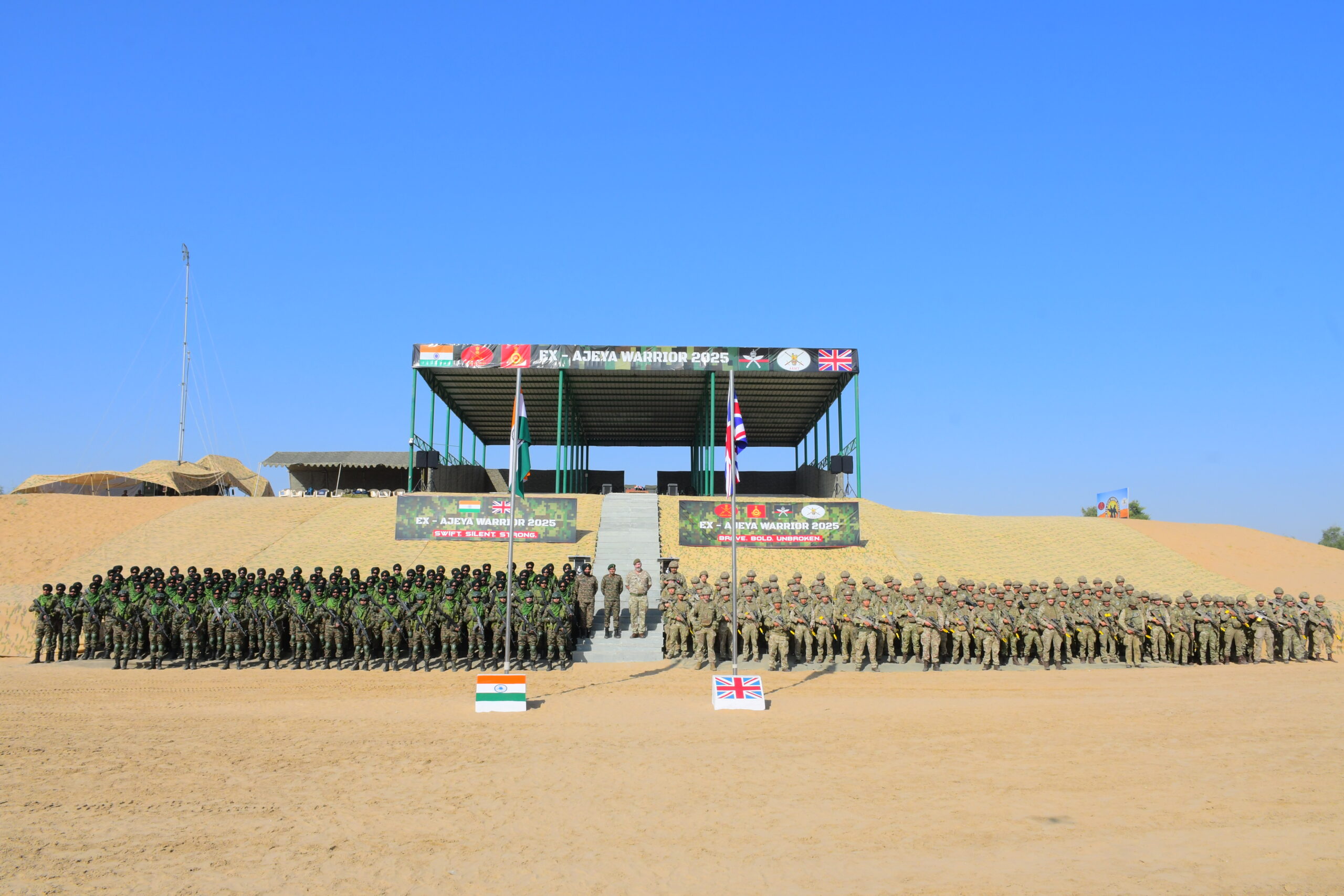
These energy moves do not exist in a diplomatic vacuum; they rest on tangible operational credibility. Deployments from the newly commissioned naval air station at Mahe on India’s southwestern coast — a facility explicitly designed to dominate the Arabian Sea and eastern Indian Ocean approaches — combined with the ongoing Konkan Shakti and AJEYA WARRIOR series of joint exercises with the Royal Navy and British Army. The 14-day bilateral exercise conducted under a United Nations mandate commenced today at the Foreign Training Node, Mahajan Field Firing Ranges, Rajasthan. The exercise brings together 240 personnel with equal representation from the Indian Army and the British Army. The Indian Army is represented by troops of the Sikh Regiment.
These joint exercises extend Indian presence across critical sea lanes while visibly safeguarding the very energy routes the new contracts depend on.

Strategic engagement with partner nations, including Russia, is also ongoing. India has been in regular consultations on joint development projects, technology transfer, and cooperative exercises, which provide access to specialised expertise while advancing domestic industrial and operational competence.
Strategic partnerships augment domestic development. Exercises such as the India–United Kingdom “AJEYA WARRIOR‑25” and ongoing consultations with Russia indicate a dual approach: enhancing operational interoperability with international forces while simultaneously accessing specialised technologies and developmental expertise that inform domestic capability growth. These collaborations are conducted within the framework of strategic autonomy, ensuring that domestic indigenisation remains central while benefiting from international experience in joint operations, counter-terrorism, and high-technology deployment. The involvement of partner nations also extends to technology transfer discussions, co-development projects, and training exercises, all structured to support the integration of new capabilities into India’s defence ecosystem.
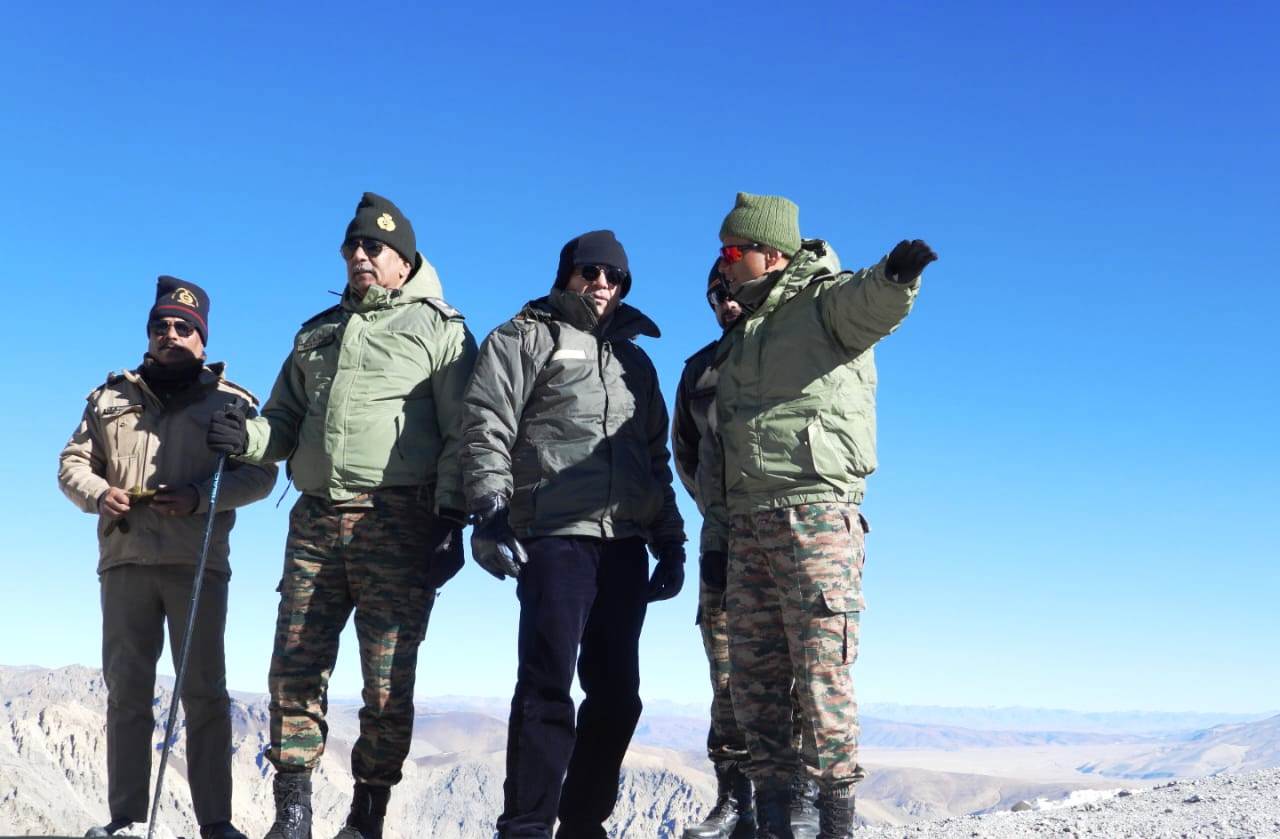
At the same time, high-altitude trials conducted between late 2024 and early 2025 — of advanced parachute systems, supersonic cruise missiles, extreme-weather equipment, and the newly inducted Zorawar light tank — have validated both personnel and matériel for prolonged operations along the Line of Actual Control. This readiness gained decisive real-world proof in May 2025 with Operation Sindoor: the calibrated, tri-service strikes that destroyed nine Jaish-e-Mohammed and Lashkar-e-Taiba terror camps deep inside Pakistan and Pakistan-administered Kashmir in under four hours, using stand-off weapons and without crossing the threshold of general war. The operation not only restored deterrence along the western front but permanently shifted India’s declaratory posture from strategic restraint to proactive, precise punishment — a doctrinal change that now underwrites every subsequent diplomatic and energy engagement.
Recent India–Venezuela discussions on critical minerals and upstream investments, conducted on the sidelines of the Confederation of Indian Industry (CII) Partnership Summit in Visakhapatnam, further illustrate the breadth of this resource-security outreach. Together, these maritime, land-based, strike, and diplomatic demonstrations supply the hard-power backbone that lends weight to India’s diplomatic and commercial outreach.
The developments of November 2025 fit into a pattern that has been visible for several years: parallel advances in energy procurement, maritime projection, high-altitude military capability, and targeted diplomatic outreach. The U.S. LPG contract and the prospective Japanese investments address immediate supply and technology needs while expanding India’s roster of major energy partners. The operational tempo — from Mahe-based naval aviation and joint exercises with the United Kingdom to the completed high-altitude validation of systems such as the Zorawar tank and BrahMos, and now the proven ability to execute deep, non-escalatory strikes demonstrated by Operation Sindoor — provides the practical underpinning for these external engagements. The concurrent talks with Venezuela on critical minerals show that New Delhi continues to cast a wide net for resources even with traditionally difficult counterparts.
Taken together, these moves do not yet constitute evidence of a single, centrally orchestrated master plan, but they do illustrate a consistent direction of travel. India is simultaneously reducing energy vulnerabilities, extending credible military reach along both maritime and land frontiers, and deepening selective partnerships that serve long-term economic and security requirements. Operation Sindoor’s success has removed the last lingering doubts — both at home and abroad — about India’s political will and technical ability to impose costs across the border at a time and place of its choosing, giving its energy diplomacy and broader strategic posture a quiet but unmistakable steel edge that was absent before May 2025.
– global bihari bureau