National SOPs Bolster Veterinary Blood Bank Standards
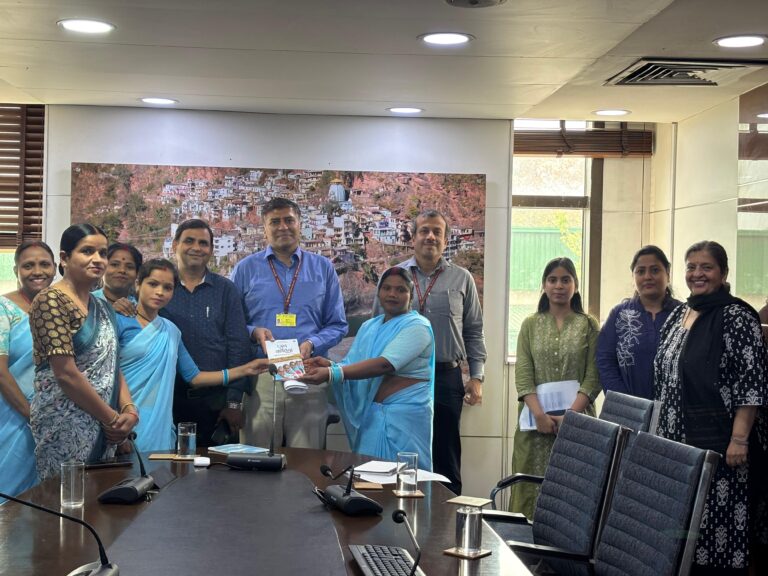
New Delhi: With over 537 million livestock and 125 million companion animals underpinning India’s agricultural economy, the need for robust veterinary care is critical. Today, the Department of Animal Husbandry & Dairying (DAHD), under the Ministry of Fisheries, Animal Husbandry & Dairying, released India’s first “Guidelines and Standard Operating Procedures (SOPs) for Blood Transfusion and Blood Banks for Animals.”
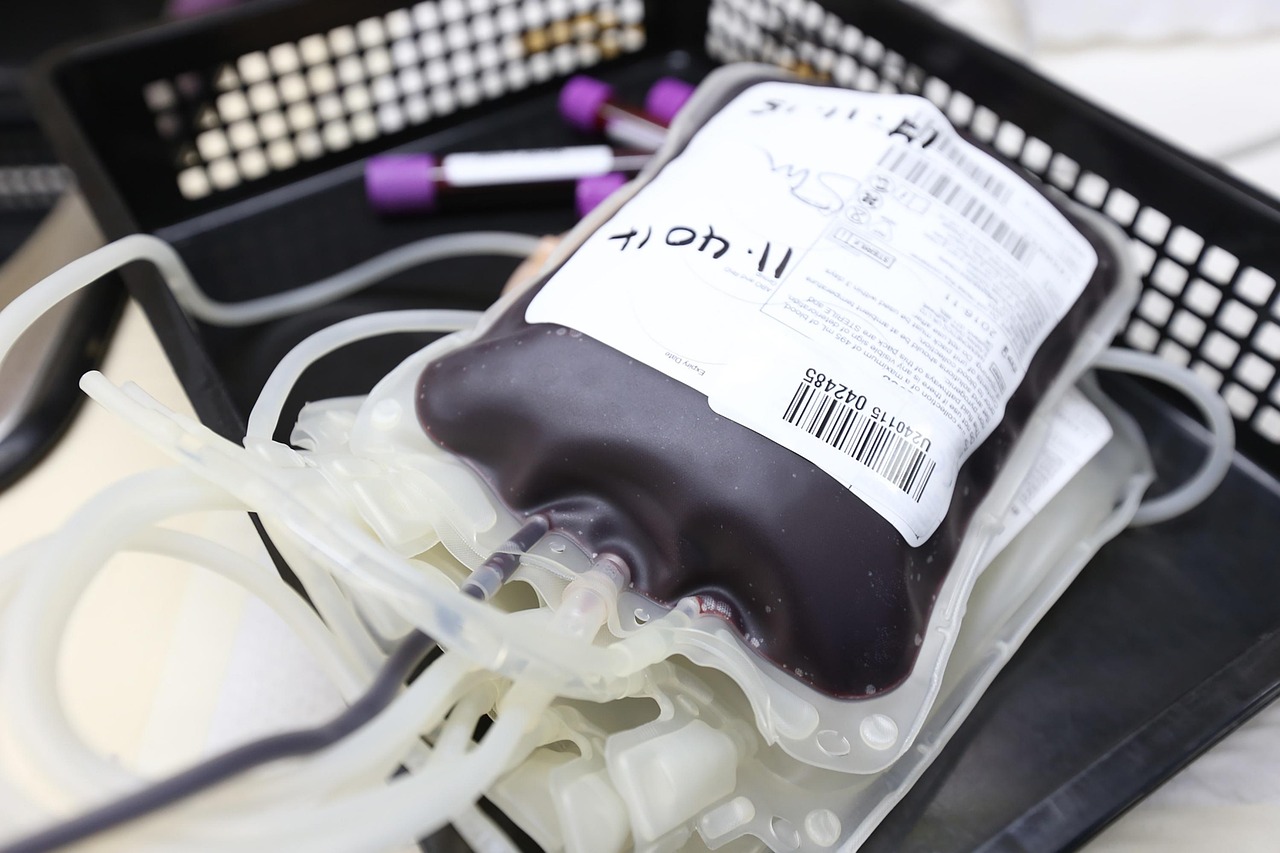
The guidelines establish a National Veterinary Blood Bank Network (N-VBBN) with digital registries to track donors and recipients, real-time inventory systems to monitor blood stocks, and a 24/7 emergency helpline to facilitate urgent transfusions. They introduce mobile blood collection units to serve rural and remote areas, cryopreservation to store rare blood types for species like purebred dogs or indigenous cattle breeds, and mobile applications to streamline donor-recipient matching. Training modules are integrated into Bachelor of Veterinary Science and Animal Husbandry (BVSc & AH) curricula, postgraduate veterinary programs, and Continuing Veterinary Education to equip veterinarians and para-veterinarians with transfusion expertise.
Until now, animal blood transfusions in India were often performed in emergencies without consistent protocols for donor screening, blood typing, or storage, risking complications like transfusion reactions or disease transmission. Developed through consultations with the Veterinary Council of India, veterinary universities, Indian Council of Agricultural Research (ICAR) institutes, state governments, practising veterinarians, and global experts, the guidelines align with international best practices and incorporate One Health principles to mitigate zoonotic disease risks, such as leptospirosis or rabies, protecting both animal and human health.
The Standard Operating Procedures (SOPs) provide a detailed framework for safe and ethical transfusion practices. For donor registration, veterinarians must use standardised forms to screen animals for health conditions, ensuring they are free from infectious diseases like brucellosis, rabies, or trypanosomiasis, with vaccination records verified and data entered into a centralised digital database. Transfusion monitoring SOPs require real-time tracking of vital signs—heart rate, respiratory rate, temperature, and mucous membrane colour—using checklists to detect early signs of complications, such as anaphylaxis or fever. Adverse reaction reporting mandates documenting issues like hemolysis or allergic reactions on standardised forms, submitted to state veterinary authorities within 24 hours for analysis and protocol refinement. Blood collection SOPs limit volumes to 10-20 ml/kg for canines and 15-25 ml/kg for bovines, using sterile, single-use equipment to prevent contamination. Storage SOPs specify maintaining red blood cells at 2-6°C with a 35-day shelf life for canines and 21 days for bovines, and platelets at 20-24°C with agitation for up to 5 days, ensuring blood quality and safety.
The guidelines mandate state-regulated veterinary blood banks with biosafety-compliant infrastructure, including isolated storage units, pathogen-free processing areas, and backup power systems to maintain cold chains. Blood typing and cross-matching are required to prevent incompatibility reactions, particularly for species with complex blood group systems, such as dogs (Dog Erythrocyte Antigen 1.1, 1.2) or horses (Aa, Qa). Donor eligibility criteria specify animals aged 1-8 years, weighing at least 25 kg for large animals (e.g., cattle, horses) or 4 kg for smaller ones (e.g., cats, dogs), with current vaccinations, no history of infectious diseases, and a minimum 8-week interval between donations to protect donor health. The guidelines promote voluntary, non-remunerated donations and include a Donor Rights Charter, requiring written informed consent from animal owners to uphold ethical standards.
Integrating One Health principles, the guidelines mandate screening donors for zoonotic diseases like Leptospira and Brucella to prevent cross-species transmission. The National Veterinary Blood Bank Network (N-VBBN) roadmap outlines a nationwide system connecting state blood banks, enabling real-time tracking of blood stocks, sharing surplus units during shortages, and coordinating emergency transfers via the helpline. The guidelines also encourage future innovations, including research into advanced transfusion technologies, biobanking for rare blood types, and mobile applications with dashboards for inventory management and donor alerts.
India’s animal sector contributes 5.5% to the national Gross Domestic Product (GDP) and over 30% to agricultural GDP, supporting millions of farmers and food security. As a non-statutory framework, the guidelines are advisory, designed to evolve with scientific advancements and stakeholder feedback. They aim to deliver safer, life-saving transfusions for animals, standardised protocols for veterinarians, reduced livestock mortality for farmers, and enhanced animal welfare for society, strengthening India’s veterinary healthcare ecosystem.
– global bihari bureau