New Delhi: As oceans choke on plastic waste and the world races for clean energy, India and the European Union (EU) have launched a research campaign to combat marine pollution and transform biogenic waste into green hydrogen. Unveiled on May 15 under the India-EU Trade and Technology Council (TTC), these twin initiatives—backed by a ₹391 crore (€41 million) joint investment—blend Indian innovation with European expertise to tackle global environmental crises. Co-funded by India’s government and the EU’s Horizon Europe programme, the projects herald a strengthened partnership aiming to redefine sustainability, though their success hinges on turning scientific ambition into scalable solutions.
The TTC, forged in 2022 by Prime Minister Narendra Modi and European Commission President Ursula von der Leyen, is the driving force behind this collaboration, designed to align trade and technology for shared progress. At the Delhi launch, Prof. Ajay Kumar Sood, India’s Principal Scientific Adviser, set the tone: “Collaborative research is the cornerstone of innovation. These initiatives will harness the strengths of both Indian and European researchers to develop solutions that address our shared environmental challenges.” EU Ambassador Hervé Delphin underscored the partnership’s vitality: “These research calls under the EU-India Trade and Technology Council demonstrate the dynamism of the EU-India partnership, renewed by our leaders in Delhi last February. By tackling concrete issues like marine pollution and sustainable energy together, we’re driving innovation, circular economy and energy efficiency. Development of cutting-edge technologies in these areas makes both economic and environmental sense. We are committed to a cleaner, more sustainable future that will benefit both the EU and India.”
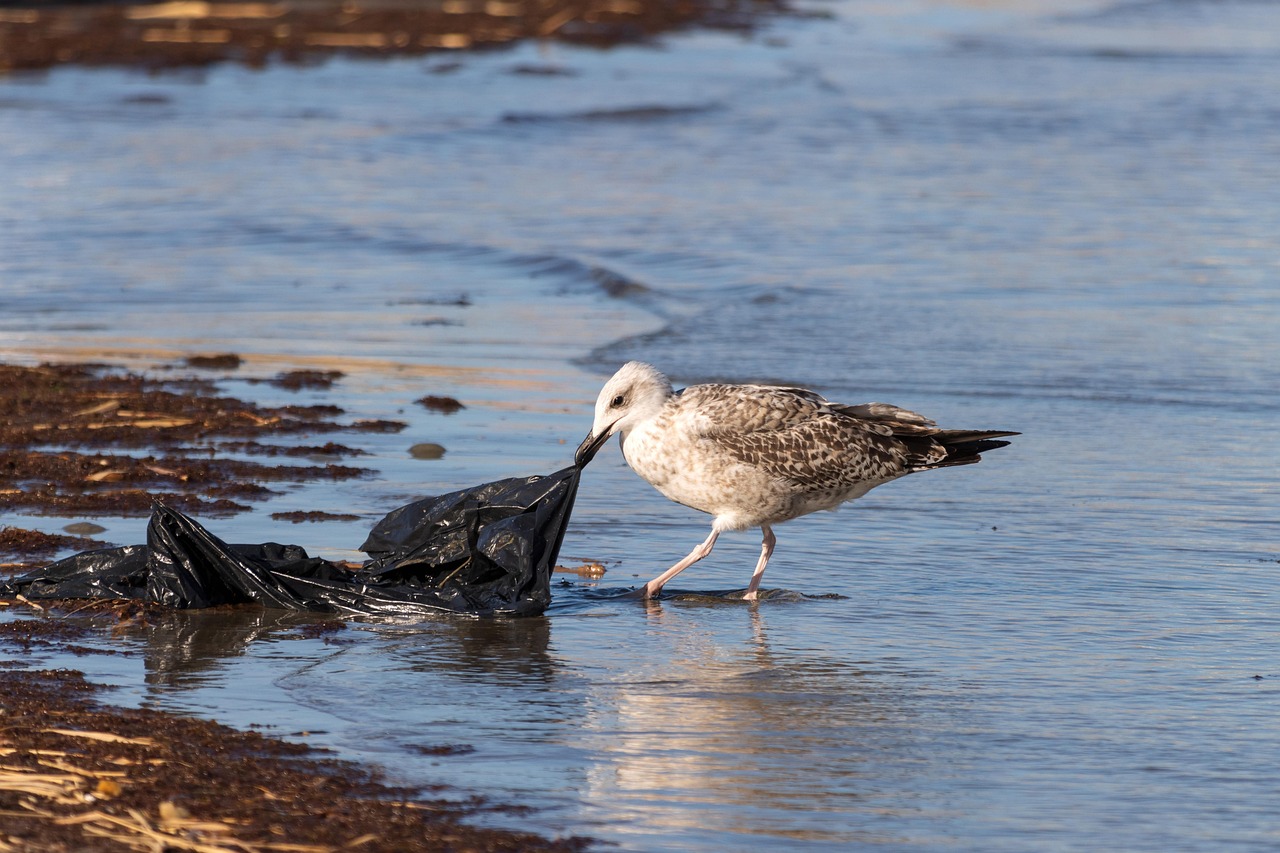
The first initiative, launched May 6 with ₹90 crore from India’s Ministry of Earth Sciences (MoES) and €12 million from the EU, confronts the scourge of marine plastic litter, a crisis that kills marine life, disrupts ecosystems, and threatens human health. This call focuses on the cumulative impacts of pollutants like microplastics, nano-plastics, heavy metals, and persistent organic compounds, and their links to climate change, seeking innovative tools to monitor, assess, and mitigate their spread. Researchers will develop advanced detection methods, evaluate ecotoxicological risks to marine life, and trace bioaccumulation through food chains to human health risks. The effort also targets source reduction, including waste management and recycling innovations to curb plastics from rivers and coastal entry points. Dr. M. Ravichandran, MoES Secretary, emphasized the stakes: “Marine pollution is a global concern that requires collective action. This joint call will enable us to develop advanced tools and strategies to protect our marine ecosystems.” Aligned with the UN Decade of Ocean Science for Sustainable Development and India’s National Marine Litter Policy, the project supports the European Union’s Zero Pollution Action Plan, aiming for new analytical tools and policy insights.
The second initiative, opened May 15 with ₹90 crore from India’s Ministry of New and Renewable Energy (MNRE) and €10 million from the EU, pioneers waste-to-green hydrogen technologies, turning biogenic waste—agricultural residues, forestry byproducts, municipal waste, sewage sludge, and industrial scraps—into a clean fuel that could slash carbon emissions. The call seeks cost-effective, environmentally friendly methods, leveraging advanced catalysts, process intensification, feedstock pre- and post-treatment, and biological, electrochemical, and catalytic techniques to utilize side streams. Goals include high carbon-to-hydrogen yields, lower or negative carbon footprints, reduced costs, and minimal environmental impact. Santosh Kumar Sarangi, MNRE Secretary, highlighted its urgency: “Advancing waste-to-hydrogen technologies is crucial for our energy transition goals. This collaboration will accelerate the development of sustainable hydrogen production methods.” Tied to India’s National Green Hydrogen Mission and the EU’s Hydrogen Strategy, the project aims to enhance sustainability, safety, and affordability while expanding the technology portfolio.
These initiatives are a strategic and economic power play. The ₹391 crore investment, split nearly evenly between India and the European Union, reflects a partnership that’s grown robust since the TTC’s inception. Marc Lemaître, EU Director-General for Research and Innovation, noted the scale: “Together the EU and India are putting forward €41 million for collaborative research. Our cooperation in two coordinated research calls into marine pollution and waste-to-renewable hydrogen shows our commitment to invest in a shared sustainable future.” Dr. Parvinder Maini, Scientific Secretary at India’s Office of the Principal Scientific Adviser, added that the calls “serve testament to our shared commitment for sustainable development,” from ocean health to energy security. The projects align with global frameworks like the Paris Agreement, the EU’s circular economy goals, and India’s $100 billion green energy vision, promising breakthroughs with global impact.
The challenges are formidable. Marine plastic litter, with UNEP estimating 8 million metric tons entering oceans yearly, demands systemic change beyond research. India’s rivers, like the Ganges, are major plastic conduits, and weak waste management complicates source control. The European Union’s 2030 zero-pollution targets and India’s marine litter policies face enforcement gaps, requiring the call’s tools to integrate with broader reforms. Green hydrogen, while promising, faces production costs 2-3 times higher than fossil fuels, and scaling demands vast infrastructure—India aims for 5 million tonnes by 2030, but energy-intensive processes pose risks. Coordinating researchers, startups, and industries across continents, amid trade tensions and supply chain challenges, adds complexity, though the TTC’s success in AI and semiconductors provides a model.
The potential rewards are transformative. The marine litter call could deliver cutting-edge detection tools, recycling innovations, and risk assessments, bolstering India’s coastal economies and the EU’s circular economy. Expected outcomes include strengthened EU-India cooperation and scientific insights to shape global policies, per the press release. The hydrogen call might unlock cheaper catalysts or waste-to-fuel systems, enhancing energy security and supporting India’s coal phase-down and the EU’s 2030 hydrogen targets. The initiatives invite global talent to join the effort. This collaboration, blending science with strategy, marks a pinnacle in India-EU ties. As plastics overwhelm seas and climate deadlines loom, the ₹391 crore investment could redefine sustainability, turning waste into wealth and pollution into progress. But time is short—success will demand relentless execution to deliver by the 2027 target. India and the European Union are betting big, leading a mission to clean oceans and power a greener future, with the world watching closely.
– global bihari bureau