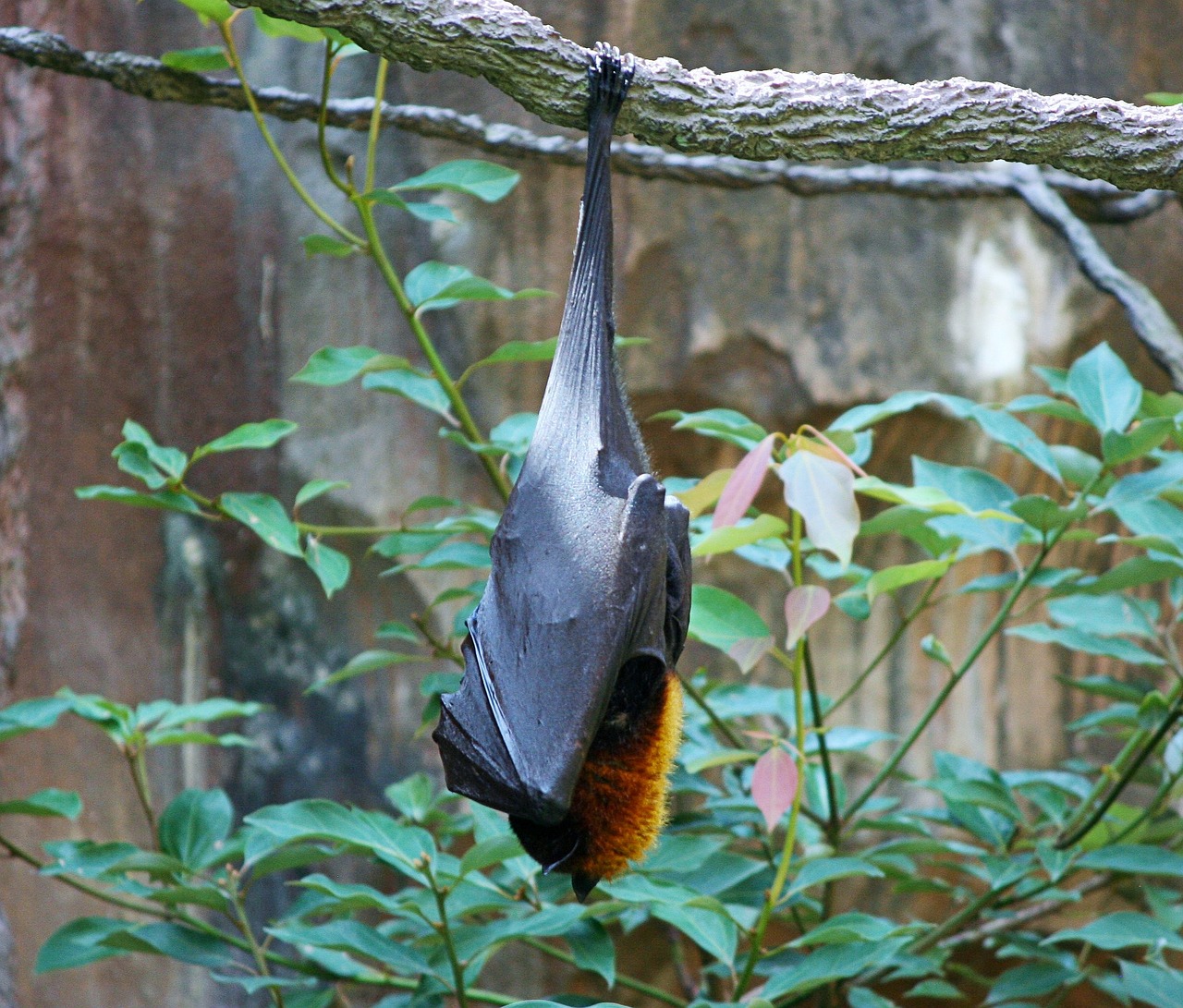
A fruit bat
West Bengal Reports Third Nipah Virus Outbreak in India
Nipah Virus Cases Confirmed Among Two Barasat Hospital Staff
Geneva/Barasat: The World Health Organization (WHO) today confirmed that India has reported two laboratory‑confirmed cases of Nipah virus infection in West Bengal. The cases, both healthcare workers at the same private hospital in Barasat, North 24 Parganas district, mark the third outbreak of Nipah virus in the state, following previous outbreaks in Siliguri in 2001 and Nadia in 2007.
The National International Health Regulations (IHR) Focal Point for India notified WHO of the cases on 26 January 2026. Preliminary laboratory testing indicated the presence of Nipah virus, and confirmation was obtained from the National Institute of Virology in Pune on 13 January 2026. Both cases were verified through Reverse Transcription Polymerase Chain Reaction and Enzyme-Linked Immunosorbent Assay testing.
The first case involves a female nurse and the second a male nurse, both aged between 20 and 30 years. They developed symptoms consistent with severe Nipah virus infection in late December 2025 and were admitted to the hospital in early January 2026. As of 21 January, the male nurse has shown clinical improvement, while the female nurse remains on mechanical ventilation under critical care.
Indian health authorities promptly identified and tested over 190 contacts, including healthcare workers and community members. All samples tested negative for the virus, with the support of a mobile Biosafety Level 3 laboratory deployed by the National Institute of Virology in Pune. No further cases have been detected to date, according to the Indian National Centre for Disease Control.
Nipah virus, or Henipavirus nipahense, is a serious but rare zoonotic disease transmitted to humans from infected animals, such as fruit bats or flying foxes of the Pteropus genus, or through food contaminated with saliva, urine, or excreta of infected animals. Human-to-human transmission is also possible through close contact with infected individuals. Symptoms typically begin with fever, headache, muscle pain, vomiting, and sore throat, and may progress to dizziness, drowsiness, neurological complications, seizures, and, in severe cases, coma. Pneumonia and acute respiratory distress can also occur. The incubation period ranges from three to fourteen days, though rare cases of up to forty-five days have been reported.
There is currently no licensed vaccine or specific treatment for Nipah virus infection, though early supportive care improves survival outcomes. The virus has a case fatality ratio ranging from 40 to 75 per cent in previous outbreaks in Bangladesh, India, Malaysia, and Singapore, depending on the local capacity for early detection and clinical management. WHO considers Nipah a priority pathogen for accelerated development of medical countermeasures as part of its Research and Development Blueprint for Epidemics.
Public health authorities in India, in coordination with the West Bengal government, have implemented enhanced surveillance, infection prevention and control measures in healthcare settings, and awareness campaigns for both healthcare workers and the general public. A One Health approach has guided investigations to determine the source of exposure, and contact tracing with continuous follow-up has been conducted. Health facilities have strengthened standard infection control practices, and clinicians have been sensitised to the signs of Nipah infection. Prompt collection, transportation, and testing of samples were carried out by reference laboratory teams.
WHO is providing support for national and international communication regarding the event and continues to monitor the outbreak, including its epidemiological patterns and risk factors. The organisation has assessed the risk posed by Nipah virus as moderate at the sub-national level, given the absence of specific drugs or vaccines and the challenges of early diagnosis. At the national, regional, and global levels, WHO has classified the risk as low, noting the outbreak remains geographically limited with no confirmed spread beyond India.
WHO advises that in the absence of a licensed vaccine or specific therapy, infection prevention relies on awareness of risk factors. Measures include reducing bat access to fresh food products, boiling date palm sap before consumption, washing and peeling fruits, avoiding areas where bats roost, and maintaining proper hygiene after contact with sick individuals. In healthcare settings, standard precautions, contact and droplet precautions, and airborne precautions during aerosol-generating procedures are recommended. Suspected or confirmed cases should be isolated, and laboratory handling of samples should only be conducted by trained personnel in appropriately equipped facilities.
Travel and trade restrictions are not currently recommended by WHO.
– global bihari bureau