 By Rahul Laxman Patil*
India–Bangladesh: Beyond Party Lines
A Strategic Bond in Changing Times
Dhaka: The change of government in Bangladesh following the February 12, 2026, elections has once again drawn attention to one of South Asia’s most consequential bilateral relationships. India and Bangladesh have long described their ties as uniquely close—more akin to brothers and sisters than to conventional neighbours. That description is not a rhetorical flourish. It reflects shared history, cultural intimacy, geographic interdependence and strategic necessity. Yet the political transition in Dhaka underscores a vital diplomatic lesson for New Delhi: enduring partnerships must rest on institutions and people, not on the fortunes of any one political formation.
The foundations of this relationship were laid in blood and solidarity during the 1971 Liberation War, when India supported Bangladesh’s struggle for independence. The memory of that period remains deeply embedded in the public consciousness of both countries. It shaped early diplomatic engagement and continues to influence contemporary perceptions. While younger generations increasingly view bilateral ties through economic and strategic lenses, the emotional capital of 1971 still provides ballast during moments of strain. It is a reminder that the relationship was not born merely of convenience, but of shared sacrifice.
Beyond history, culture binds the two societies in ways that formal agreements cannot replicate. Language, literature, music and cuisine flow across borders with ease. Families straddle frontiers, and students, artists and entrepreneurs move between the two countries in growing numbers. Festivals are celebrated with similar fervour on both sides of the border. These everyday connections ensure that India–Bangladesh ties are not confined to summit meetings or joint statements. They are lived experiences, sustained by human contact that transcends electoral cycles.
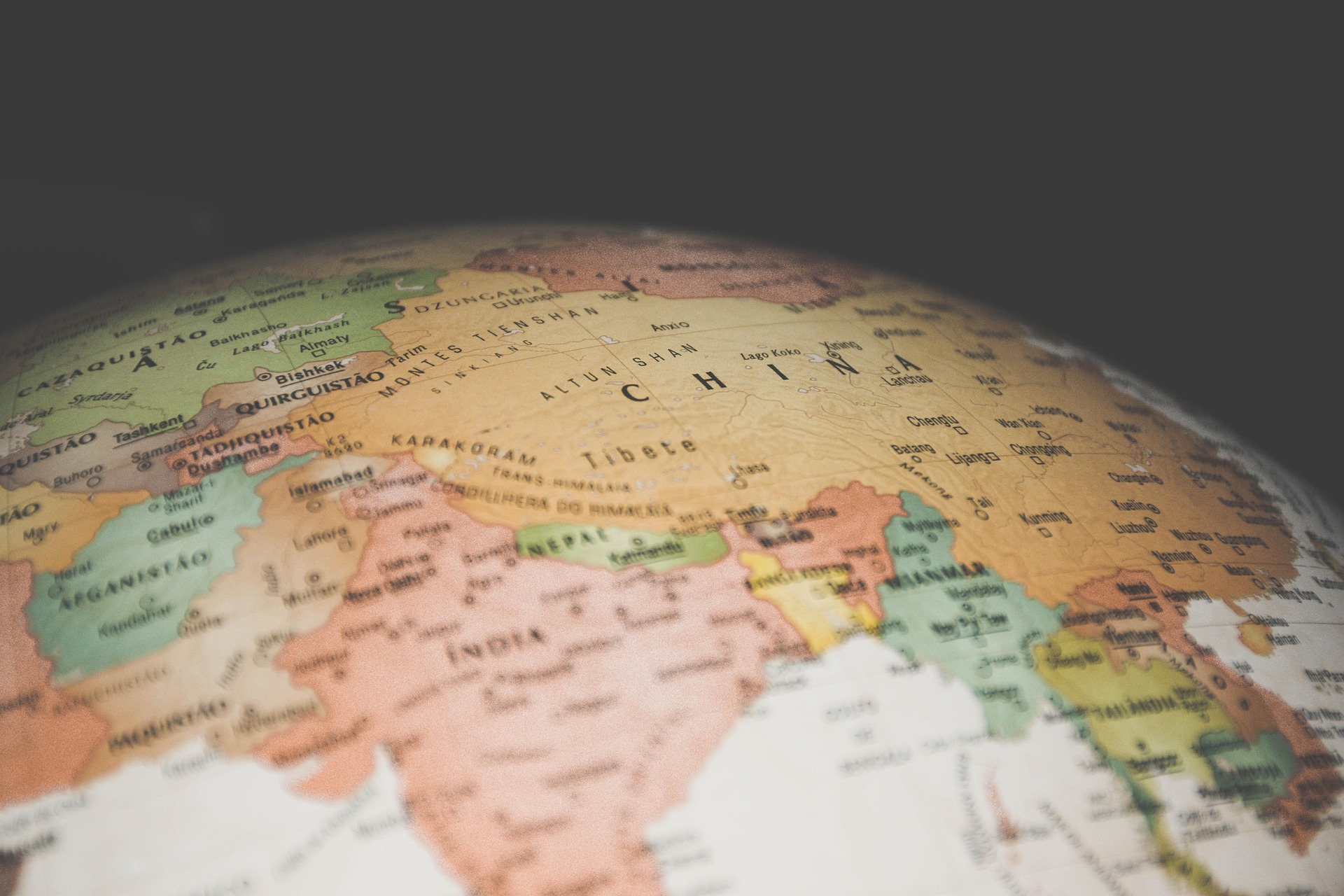
Geography reinforces this intimacy. Bangladesh is encircled by India on three sides, making cooperation not optional but essential. Transit arrangements, land ports and cross-border infrastructure projects have gradually transformed what was once a barrier-heavy frontier into a corridor of connectivity. For India, improved links through Bangladesh are critical to the economic development and integration of its northeastern states. For Bangladesh, access to Indian markets and transit routes enhances trade efficiency and regional reach. Geography has thus made the two countries natural partners in connectivity rather than competitors for space.
Economic ties have deepened steadily over the past decade. India has emerged as a significant supplier of raw materials and intermediate goods to Bangladesh’s manufacturing sectors, particularly textiles and pharmaceuticals. Infrastructure collaboration—spanning railways, roads, inland waterways and ports—has accelerated regional integration. Energy cooperation, including cross-border electricity trade, illustrates how pragmatic engagement can directly support growth and stability. Such projects are not abstract symbols of goodwill; they are practical mechanisms that bind the two economies together.
Security cooperation forms another pillar of the partnership. Border management, counter-terrorism efforts and action against transnational crime have benefited from sustained dialogue between security establishments. Stability in Bangladesh has direct implications for peace and development in India’s northeastern region. Conversely, instability in either country would ripple across the shared frontier. Strategic convergence in maintaining internal security and regional calm has therefore become a matter of mutual interest rather than unilateral concern.
Regionally, the two nations have found common purpose through initiatives such as the Bay of Bengal Initiative for Multi-Sectoral Technical and Economic Cooperation (BIMSTEC). By promoting connectivity across the Bay of Bengal, linking South Asia with Southeast Asia and fostering maritime and technological cooperation, India and Bangladesh have positioned themselves as co-architects of a wider regional vision. In an era when the Indo-Pacific has emerged as a central strategic theatre, Bangladesh’s geographic location along major maritime routes has elevated its importance beyond the subcontinent. For India, a peaceful and prosperous Bangladesh is essential not only for neighbourhood stability but also for economic access to the east and the credibility of its broader regional strategy.
It is against this layered backdrop that the recent political transition in Dhaka must be understood. Democratic change is a normal feature of political life. Yet such shifts can test the resilience of bilateral relationships, particularly when ties are perceived to have been cultivated more closely with a particular leadership than with the state as a whole. If diplomacy becomes overly personalised or partisan, continuity may suffer when governments change.
The lesson for New Delhi is clear. Diplomacy must invest in enduring relationships with countries, not in the rise or fall of individual political parties. Political landscapes can evolve rapidly through elections, coalitions or public movements. A sustainable foreign policy requires engagement with institutions, civil services, business communities and civil society actors across the political spectrum. Dialogue channels must remain open regardless of who occupies the office. National and regional stability should take precedence over short-term political comfort.
This approach does not imply detachment or indifference to political developments. Rather, it demands strategic patience and institutional depth. By strengthening people-to-people ties, expanding economic interdependence and embedding cooperation within formal frameworks, India can ensure that the partnership remains steady even as political winds shift. The emotional closeness often invoked in describing India–Bangladesh relations must be complemented by diplomatic maturity.
India and Bangladesh stand today as more than neighbours. They are partners whose destinies are intertwined by geography, history and shared aspirations for development. Like siblings, they may occasionally disagree, recalibrate or renegotiate aspects of their engagement. But the underlying bond endures. The change of government in Bangladesh is not a rupture; it is a reminder that strong relationships are measured by their ability to adapt. For New Delhi, the moment calls not for anxiety, but for reaffirmation of a principle that has long underpinned effective statecraft: build with the nation, not merely with its government of the day.
*BIMSTEC regional political affairs and security affairs analyst. Views are personal.