

 By Zaheer Jan*
Inclusive Classrooms Are a Legal Right in India, Not a Choice
Every Special Child Deserves the Same Classroom, Not Separate Spaces
Srinagar: Education is universally recognised as essential for human dignity, self-worth, personal growth, and meaningful participation in society. For children, it forms the foundation of aspirations, skills, and future opportunities. Yet in Jammu and Kashmir and across India, many children with disabilities continue to face barriers to genuine access to quality education. What is repeatedly affirmed as a fundamental right often remains an unfulfilled promise, with inclusive education still more an aspiration than a lived reality for far too many.
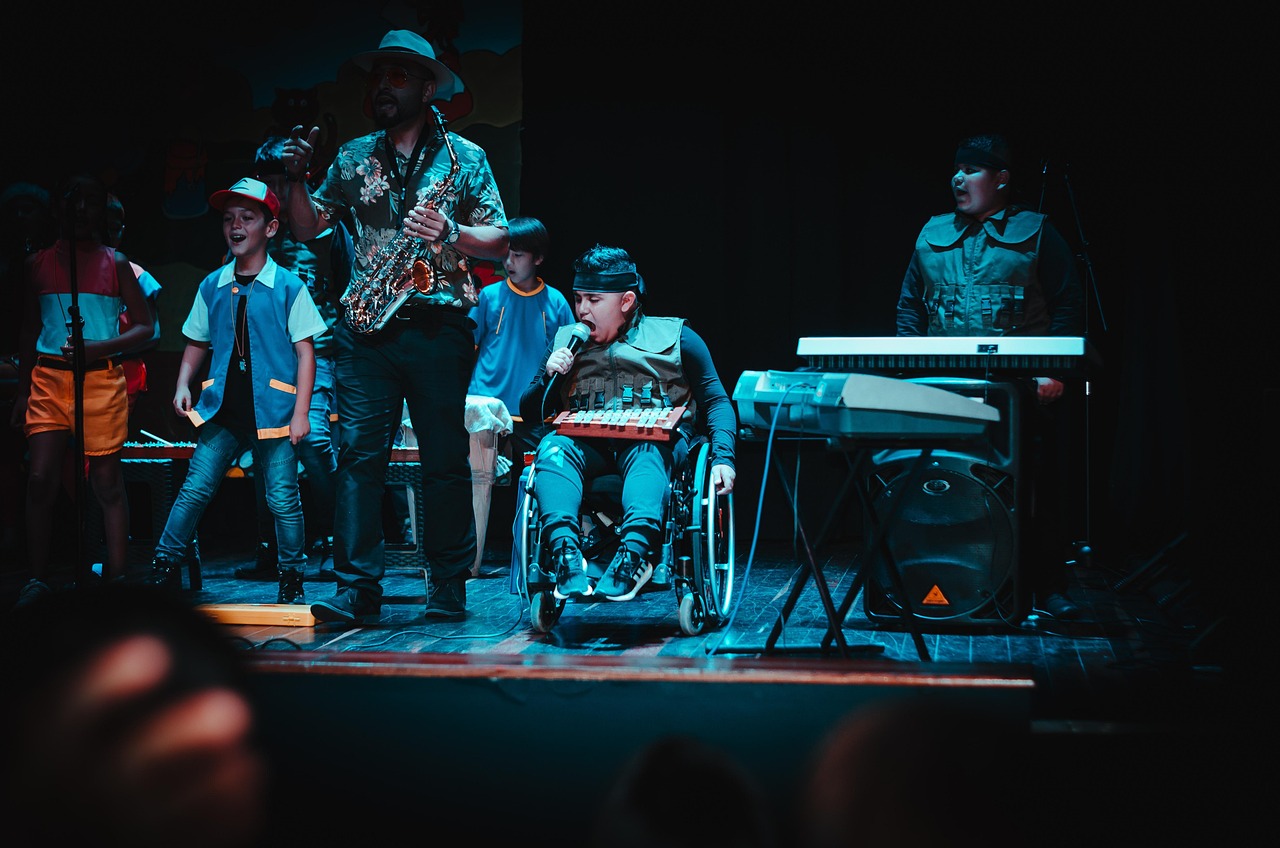
The current system perpetuates segregation by placing children with disabilities in separate special schools, reinforcing harmful perceptions of inferiority and difference. Such separation undermines academic progress, social development, and emotional well-being. Children with disabilities, like all children, thrive when they learn, play, and grow alongside their peers in shared mainstream classrooms. True inclusion, with appropriate support, ensures equal opportunities and fosters mutual understanding from an early age.
It is time to end this divide. Every child has the inherent right to learn in a regular classroom with the accommodations they need. Inclusive education is both a moral imperative and a clear legal requirement under the Rights of Persons with Disabilities Act, 2016 and the National Education Policy 2020. These frameworks mandate that children with disabilities be educated in mainstream settings alongside their non-disabled peers, with necessary support to participate fully. The School Education Department must enforce these provisions rigorously, especially by ensuring private schools reserve seats for children with disabilities and enable their meaningful integration.
The Rights of Persons with Disabilities Act, 2016, enacted to fulfil India’s obligations under the United Nations Convention on the Rights of Persons with Disabilities, guarantees free, equitable, and non-discriminatory education. Section 16 explicitly affirms the right to inclusive education in neighbourhood and mainstream schools. No child may be denied admission on grounds of disability. Schools are required to provide reasonable accommodations tailored to individual needs, enabling full participation in academic and extracurricular activities. This includes accessible infrastructure such as ramps, adapted toilets, tactile pathways, and other modifications, along with the appointment of special educators, speech therapists, psychologists, physiotherapists, and rehabilitation therapists, provision of assistive technologies, accessible learning materials, and educational aides, and transport facilities to support regular attendance.
The law is unequivocal: denying admission based on disability is illegal. Section 31 guarantees free and compulsory education up to age eighteen for children with benchmark disabilities of forty per cent or more, in a neighbourhood school or any school of their choice, reinforcing that segregation must be avoided, and inclusion is the norm.
Section 17 further directs governments and education authorities to identify children with disabilities, deliver necessary support, train general teachers and staff in inclusive practices, and ensure accessible curricula, learning materials, and environments that accommodate diverse needs.
The National Education Policy 2020 builds on and strengthens this vision, positioning inclusion as foundational to educational equity and societal progress. It calls for barrier-free access, including accessible buildings, Braille and large-print materials, and digitally inclusive content. It emphasises assistive technologies and devices, comprehensive teacher training in inclusive pedagogy and differentiated instruction, and the establishment of resource centres in schools to provide specialised support, especially for children with severe disabilities. The policy prioritises inclusion in regular classrooms, allowing segregation only in exceptional cases where it is demonstrably necessary.
Despite these strong legal and policy commitments, implementation lags, particularly in private schools. Many institutions resist admitting children with disabilities, citing resource limitations, financial burdens, or fears of classroom disruption and added teacher workload. Families are frequently directed to special schools, a practice that contravenes both the letter and spirit of the law.
Private schools are legally obligated to admit children with disabilities on equal terms, adapt curricula and assessments for meaningful participation, and provide required accommodations. Non-compliance can be challenged before school education authorities, the Chief Commissioner for Persons with Disabilities, or the courts, where High Courts have consistently upheld these rights and directed enforcement.
The continued reliance on special schools creates a damaging parallel system: one mainstream with full academic and social opportunities, the other often limited to basic life skills with restricted curricula. This divide curtails access to higher education and employment, fosters social isolation by depriving children of everyday peer interactions essential for emotional and social growth, perpetuates stigma and low societal expectations, and erodes self-confidence and aspiration over time. While special schools may offer some individual attention, evidence shows that with proper support, children with disabilities achieve far better academic, social, and emotional outcomes in inclusive mainstream settings.
To realise genuine inclusion, the School Education Department must act decisively. It should enforce mandatory seat reservations for children with disabilities in private schools, in line with the Rights of Persons with Disabilities Act and the spirit of the Right to Education framework. It should conduct regular monitoring and audits of infrastructure accessibility, inclusive teaching practices, and teacher preparedness, linking compliance to school recognition and affiliation. It should strengthen comprehensive pre-service and in-service teacher training on understanding disabilities, curriculum adaptation, and developing Individualised Education Plans. It should ensure schools appoint trained special educators and rehabilitation professionals, integrate assistive tools, and implement Individualised Education Plans effectively in classrooms. It should also launch community awareness efforts to reinforce that inclusive education is a legal right, not charity, and that segregation is both unlawful and harmful.
Every child belongs in the same classroom as their peers. The Rights of Persons with Disabilities Act, 2016, provides the legal mandate; the National Education Policy 2020 offers a clear roadmap. The critical challenge now is resolute enforcement, particularly in private institutions. No child should be automatically diverted to segregated settings.
With reasonable accommodations, trained professionals, and fully inclusive school systems, India and Jammu and Kashmir can build a society where every child learns with dignity, grows alongside others, and contributes meaningfully. Inclusive classrooms are not merely aspirational; they are a legal, moral, and social imperative. Families, educators, schools, and policymakers must unite to ensure no child is excluded, segregated, or left behind.
*Zaheer Jan is a Srinagar-based senior paediatric rehab therapist and social worker (MSW) working for Child & Disability Rights. The views and opinions expressed in this article are the personal views of the author and are not associated with any organisation.

I so agree Zaheer Jan, I am a special educator and a counsellor.