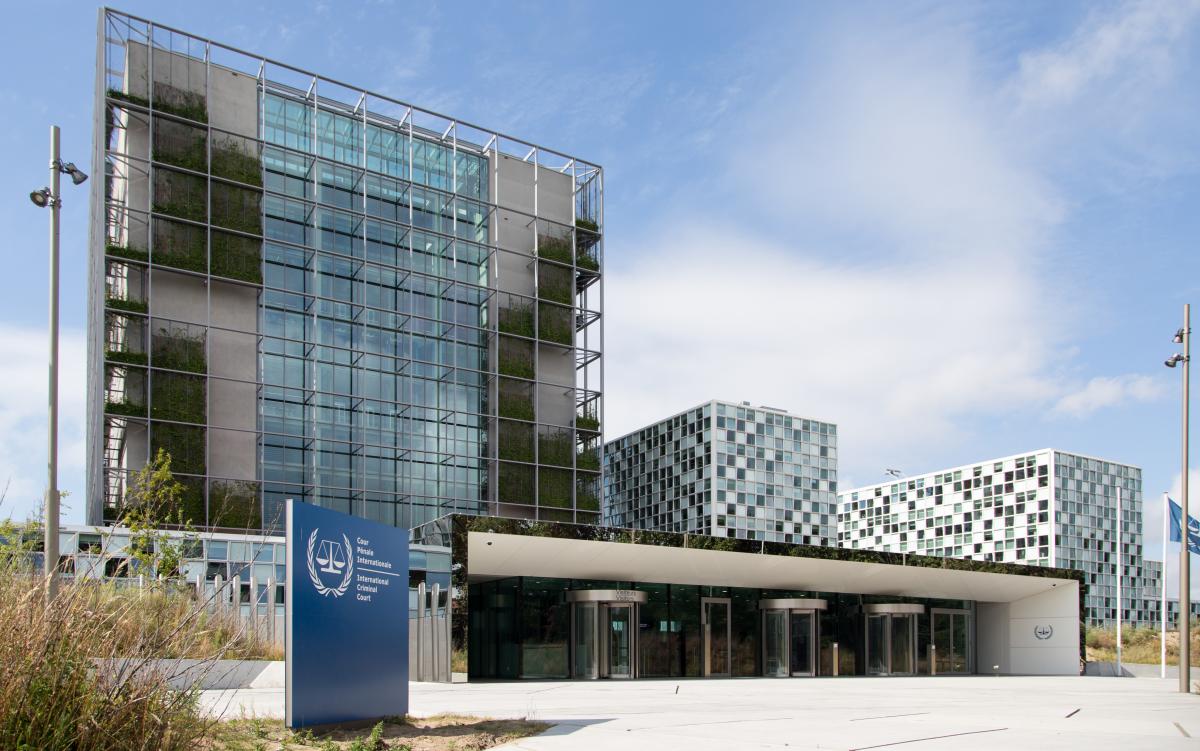
International Criminal Court, The Hague
The Hague: The Appeals Chamber of the International Criminal Court (ICC) has unanimously upheld a decision allowing the confirmation of charges hearing against Joseph Kony, the fugitive Ugandan leader of the Lord’s Resistance Army (LRA), to proceed in his absence. Delivered today, the judgment affirms Pre-Trial Chamber III’s ruling of 29 October 2024, entitled “Decision on the criteria for holding confirmation of charges proceedings in absentia,” marking a critical step in the ICC’s pursuit of justice for alleged atrocities committed in northern Uganda and Sudan between 2002 and 2005. This ruling underscores the Court’s determination to address impunity for serious international crimes, even when suspects evade capture, and sets the stage for a confirmation hearing scheduled for 9 September 2025.
The Appeals Chamber, presided over by Judge Erdenebalsuren Damdin, who read a summary of the judgment in an open court hearing, comprised Judges Solomy Balungi Bossa, Kimberly Prost, Joanna Korner, and Gocha Lordkipanidze. The Chamber ruled that the ICC Rome Statute permits a confirmation of charges hearing without requiring a suspect’s initial appearance when their whereabouts are unknown. The judges found this interpretation consistent with the Statute’s object and purpose, rejecting the Defence’s argument that such proceedings violate fair trial rights. The Chamber emphasised that the Statute provides robust safeguards, including the right to legal representation, the ability to challenge evidence, and the opportunity to appeal decisions, ensuring fairness in absentia proceedings.
Joseph Kony and the LRA’s Campaign of Terror
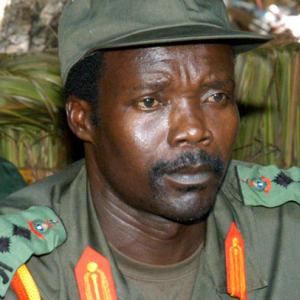
Joseph Kony, born in 1961 in Odek, northern Uganda, is the founder and commander-in-chief of the LRA, a rebel group that emerged in the late 1980s with the stated goal of overthrowing the Ugandan government and establishing a theocratic state based on Kony’s idiosyncratic interpretation of the Ten Commandments. The LRA’s insurgency evolved into a brutal campaign across northern Uganda, South Sudan, the Democratic Republic of Congo, and the Central African Republic, characterised by systematic abductions, massacres, sexual violence, mutilation, and destruction of civilian communities. The group is estimated to have abducted over 60,000 children, forcing them into combat roles or sexual slavery, and displaced more than 1.5 million people in Uganda alone, particularly through attacks on villages and camps for internally displaced persons (IDPs).
The LRA’s atrocities gained global attention through the 2012 “Kony 2012” campaign by the NGO Invisible Children, which aimed to raise awareness but sparked debate over its simplified portrayal of the conflict. Despite international efforts, including operations by the African Union and support from the United States, Kony remains at large, believed to be hiding in remote regions of central Africa, possibly in South Sudan or the Central African Republic. His continued evasion has long frustrated justice efforts, making the ICC’s decision to proceed in absentia a pivotal development.
Case History and Ugandan Referral
The ICC’s case, *The Prosecutor v. Joseph Kony*, originates from a referral by the Ugandan government in December 2003, requesting investigation into the “situation concerning the Lord’s Resistance Army” in northern Uganda. The ICC Prosecutor formally opened the investigation on 29 July 2004, focusing on crimes committed during the LRA’s insurgency. On 8 July 2005, Pre-Trial Chamber II issued arrest warrants under seal for Kony and four other LRA commanders: Raska Lukwiya, Okot Odhiambo, Vincent Otti, and Dominic Ongwen. The warrants were amended on 27 September 2005 and unsealed on 13 October 2005, after which the ICC Registry undertook efforts to inform affected communities and the general public about the proceedings.
The cases against Lukwiya, Odhiambo, and Otti were terminated following their deaths: Lukwiya was killed in combat in August 2006, Otti was executed by the LRA in October 2007, and Odhiambo died in 2013. Dominic Ongwen surrendered to the ICC on 6 January 2015, and his case was separated from Kony’s. In February 2021, Ongwen was convicted on 61 counts of war crimes and crimes against humanity and sentenced to 25 years in prison. Kony remains the sole suspect still at large in this case.
Details of the Charges
The 2005 arrest warrant for Kony initially listed 33 counts of crimes allegedly committed in northern Uganda in 2003 and 2004, comprising 12 counts of crimes against humanity (murder, enslavement, sexual enslavement, rape, and inhumane acts causing serious bodily injury and suffering) and 21 counts of war crimes (murder, cruel treatment of civilians, intentionally directing attacks against civilian populations, pillaging, inducing rape, and forced enlistment of children). These charges stemmed from the LRA’s systematic attacks on civilian communities, including villages, schools, and IDP camps, involving abductions, sexual violence, and forced recruitment of child soldiers.
On 19 January 2024, the ICC Prosecution submitted an updated Document Containing the Charges, expanding to 36 counts of war crimes and crimes against humanity allegedly committed between at least 1 July 2002 and 31 December 2005 in northern Uganda and/or Sudan. The additional counts (30–36) accuse Kony of directly perpetrating crimes against a young woman between July 2003 and September 2004, specifically: enslavement, forced marriage as a crime against humanity, torture as a crime against humanity, other inhumane acts, torture as a war crime, cruel treatment, and sexual slavery. These charges reflect the LRA’s broader pattern of violence, targeting civilians with brutal efficiency and leaving a legacy of trauma in affected communities.
Prosecution and Procedural Timeline
The Prosecution alleges that Kony, as the LRA’s leader, bears both individual and command responsibility for the group’s widespread and systematic attacks. The 36-count charge sheet captures the full scope of the LRA’s atrocities during the conflict’s peak, detailing acts such as the abduction and forced conscription of thousands of children, sexual enslavement of girls, and devastating assaults on IDP camps. The expanded timeframe (2002–2005) and inclusion of crimes in Sudan reflect the LRA’s cross-border operations.
On 12 December 2024, Pre-Trial Chamber III scheduled the confirmation of charges hearing for 9 September 2025, determining that Kony’s unknown whereabouts justified proceeding in absentia. The Defence challenged the 29 October 2024 decision, arguing that an absentia hearing without Kony’s initial appearance violated his fair trial rights. The Appeals Chamber rejected this challenge, affirming that the Rome Statute permits such proceedings when a suspect cannot be found. The judges highlighted safeguards, including the appointment of defence counsel, the right to challenge evidence, and the opportunity to appeal, to ensure procedural fairness.
Appeals Chamber’s Reasoning
The Appeals Chamber’s judgment addressed the Defence’s concerns by clarifying that in absentia proceedings are exceptional but permissible under the Rome Statute when a suspect’s absence results from evasion or inability to be located. The Chamber noted that the Statute’s framework balances the need for justice with fair trial protections, ensuring that Kony’s rights are upheld through legal representation and procedural safeguards. This ruling underscores the ICC’s commitment to addressing impunity for serious international crimes, even in challenging circumstances.
Implications and Next Steps
The Appeals Chamber’s decision clears the path for the 9 September 2025 hearing, where Pre-Trial Chamber III will assess whether the evidence supports proceeding to a full trial on the 36 counts. The ruling may set a precedent for other ICC cases involving fugitive suspects, reinforcing the Court’s ability to act despite non-cooperation. For survivors in northern Uganda and affected communities in Sudan, the decision offers hope for long-delayed justice, though Kony’s absence poses ongoing challenges for enforcement and closure.
The international community continues to face difficulties in apprehending Kony, with renewed calls for cooperation from regional governments in central Africa. The ICC’s efforts to engage affected communities, initiated after the 2005 warrant unsealing, will be critical as the hearing approaches. The Court’s ability to ensure fair proceedings without the suspect will be closely scrutinised, as will its capacity to deliver justice for one of the most devastating conflicts of the early 21st century. The case remains a powerful symbol of the global fight against impunity, with the upcoming hearing poised to shed light on the LRA’s legacy of terror.
– global bihari bureau