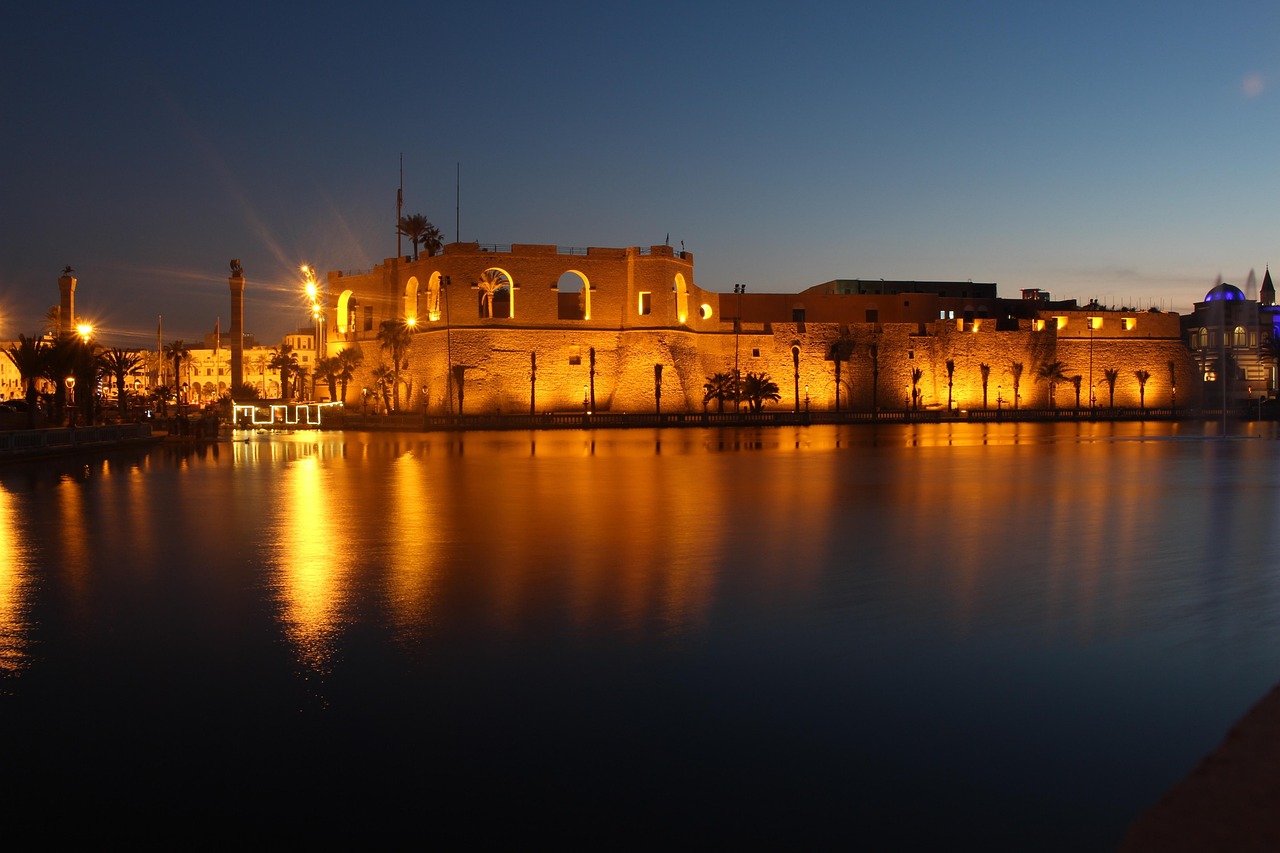
Tripoli, Libya
Libya Extends ICC Jurisdiction for War Crimes Until 2027
THE HAGUE: Libya has formally extended the jurisdiction of the International Criminal Court (ICC) to investigate alleged crimes committed on its territory from February 15, 2011, through December 31, 2027, marking a pivotal development in the pursuit of justice for widespread human rights violations, according to an ICC statement released today.
On May 12, 2025, ICC Registrar Osvaldo Zavala Giler received a declaration from Libya, lodged under Article 12(3) of the Rome Statute, the ICC’s founding treaty. This provision allows a non-party state like Libya to voluntarily accept the court’s jurisdiction, reinforcing the ICC’s authority to probe atrocities in a nation not bound by the Statute.
The ICC’s investigation into Libya, ongoing since March 2011, was initiated following a unanimous referral by the United Nations Security Council through Resolution 1970 on February 26, 2011. The referral condemned the “gross and systematic violation of human rights” under the regime of Muammar Mohammed Abu Minyar Gaddafi, including the violent repression of peaceful demonstrators, the deaths of civilians, and incitement to hostility by senior government officials. The Security Council expressed alarm at the plight of refugees fleeing violence, shortages of medical supplies, and attacks on civilians, underscoring the need to hold perpetrators accountable and respect freedoms of assembly, expression, and the media. The resolution noted that widespread and systematic attacks against civilians might constitute crimes against humanity, granting the ICC jurisdiction over Rome Statute crimes committed in Libya or by its nationals since February 15, 2011.
The investigation has focused on alleged crimes against humanity—such as murder, imprisonment, torture, persecution, and other inhumane acts—and war crimes, including murder, torture, cruel treatment, and outrages upon personal dignity. These violations, spanning regions like Tripoli, Benghazi, and Misrata, arose in the context of a non-international armed conflict, as determined by ICC Pre-Trial Chamber I, involving Gaddafi’s governmental forces, various organised armed groups, and conflicts among such groups since at least March 2011. The investigation has produced three cases, initially targeting five suspects, though proceedings have evolved due to deaths and legal rulings.
A prominent case involves Saif Al-Islam Gaddafi, against whom an arrest warrant was issued on June 27, 2011, alongside Muammar Gaddafi and Abdullah Al-Senussi. The case against Muammar Gaddafi was terminated on November 22, 2011, following his death, while proceedings against Al-Senussi ended on July 24, 2014, after the Appeals Chamber upheld a Pre-Trial Chamber I decision declaring his case inadmissible. Saif Al-Islam Gaddafi remains at large, with his case stalled in the pre-trial stage pending his transfer to The Hague.
Recent ICC efforts have centred on the Al Shaqaqiat tribe, also known as the Kani family, a powerful group in Tarhunah that controlled local police and armed forces until June 5, 2020. During the “Flood of Dignity” operation, the Kaniyat, a group of seven Al Kani brothers aligned with the Benghazi-based Libyan National Army, clashed with Tripoli’s Government of National Accord forces. Six arrest warrants, issued in April and July 2023 and unsealed on October 4, 2024, target Abdelbari Ayyad Ramadan Al Shaqaqi (born August 5, 1983), Fathi Faraj Mohamed Salim Al Zinkal (born 1977), Nasser Muhammad Muftah Daou (born April 4, 1973), Makhlouf Makhlouf Arhoumah Doumah (born February 15, 1988), Abdurahem Khalefa Abdurahem Elshgagi (born February 22, year unspecified), and Mohamed Mohamed Al Salheen Salmi. These individuals face charges of war crimes, including murder, outrages upon personal dignity, cruel treatment, and torture, with Al Zinkal and Salmi also accused of sexual violence and rape, all committed in Tarhunah.
Another key suspect, Osama Elmasry Njeem (also known as Osama Almasri Njeem), allegedly oversaw Tripoli’s Mitiga Prison, where thousands endured prolonged detention. Njeem faces charges of war crimes—outrages upon personal dignity, cruel treatment, torture, rape, sexual violence, and murder—and crimes against humanity, including imprisonment, torture, rape, sexual violence, murder, and persecution, committed at Mitiga Prison since February 15, 2015.
The ICC’s Libya investigation, the second referred by the UN Security Council after Darfur, underscores the court’s role in addressing impunity in non-State Parties. Closed cases include those of Al-Tuhamy Mohamed Khaled, terminated on September 7, 2022, following his death, with a warrant issued on April 18, 2013, and unsealed on April 24, 2017; and Mahmoud Mustafa Busayf Al-Werfalli, terminated on June 15, 2022, after his death, with warrants issued on August 15, 2017, and July 4, 2018.
Libya’s acceptance of ICC jurisdiction until 2027 enhances the court’s capacity to pursue accountability for past and ongoing violations, particularly as it seeks to apprehend suspects like Saif Al-Islam Gaddafi and address crimes in Tarhunah and Mitiga Prison. The declaration aligns with the ICC Prosecutor’s regular reports to the UN Security Council, reflecting sustained international commitment to justice in Libya.
– global bihari bureau