 By Sundram Tiwari*
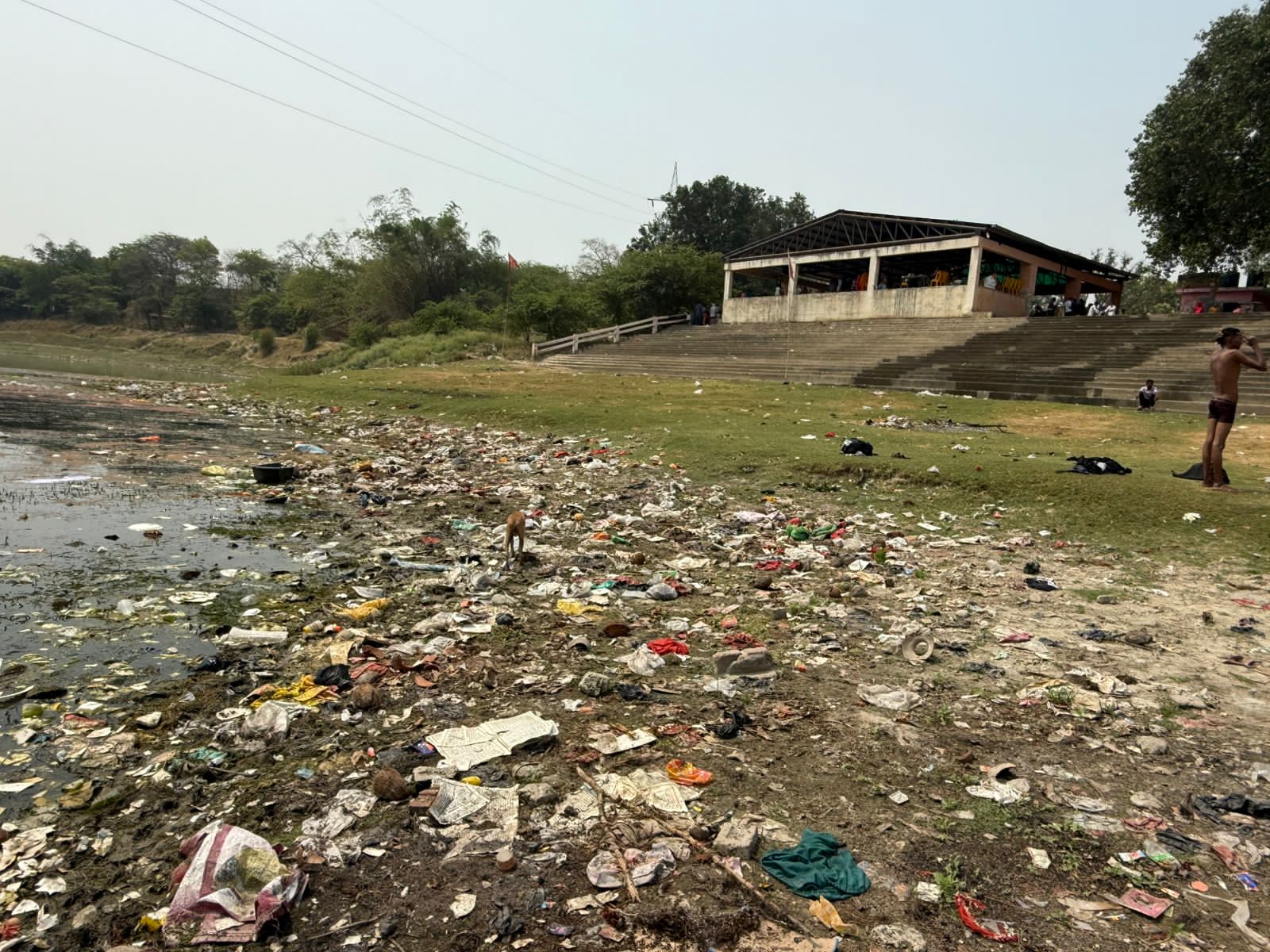
Pratapgarh: The serene banks of the Sai River, flowing beside the revered Chauharjan Devi Dham, have become a distressing sight, marred by heaps of garbage, discarded offerings, and shattered idols.
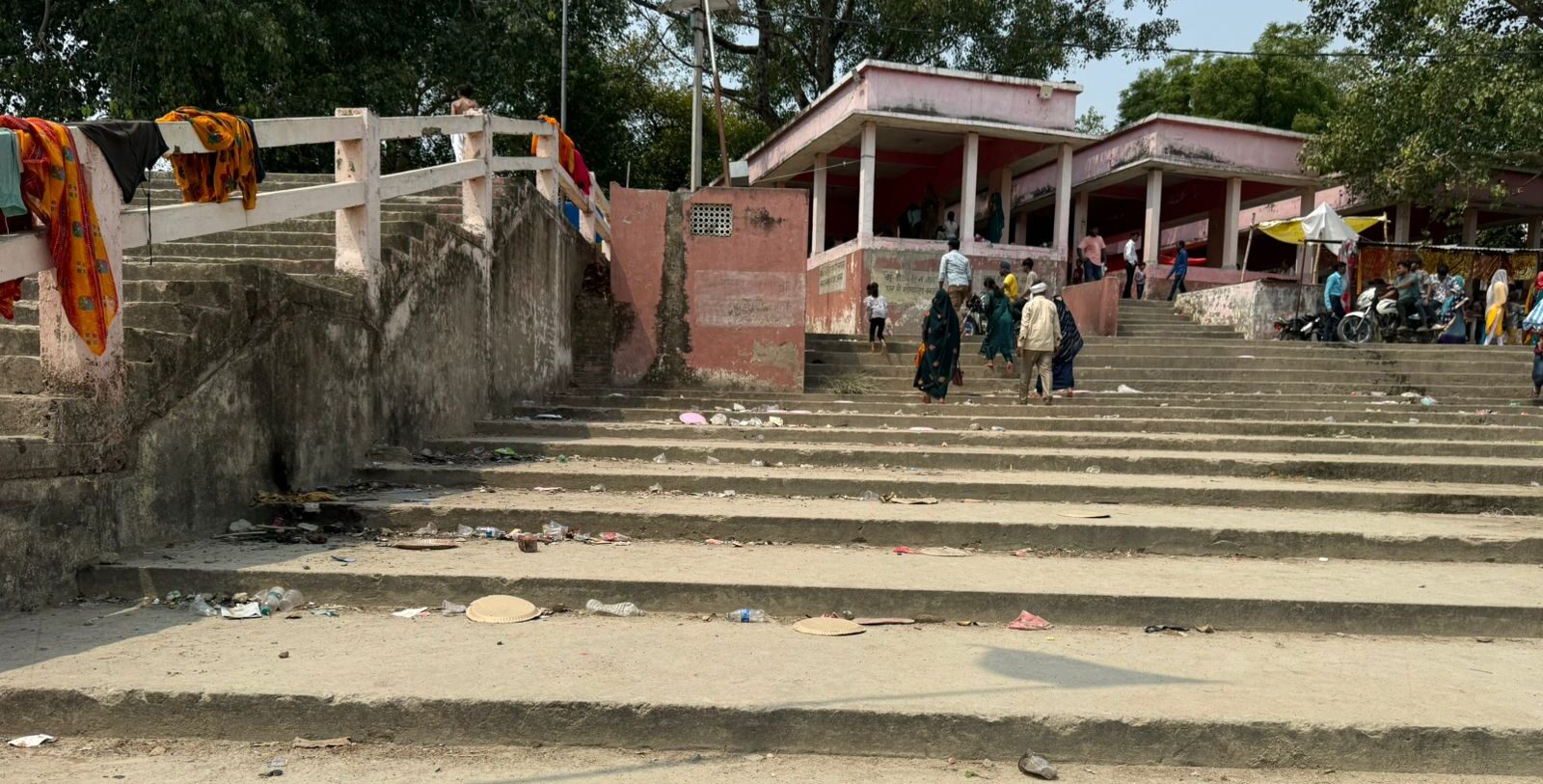
This sacred site, a beacon of spiritual solace for countless devotees, now grapples with a crisis that threatens both its sanctity and the fragile ecosystem of the river, raising urgent questions about the intersection of faith, responsibility, and environmental stewardship.
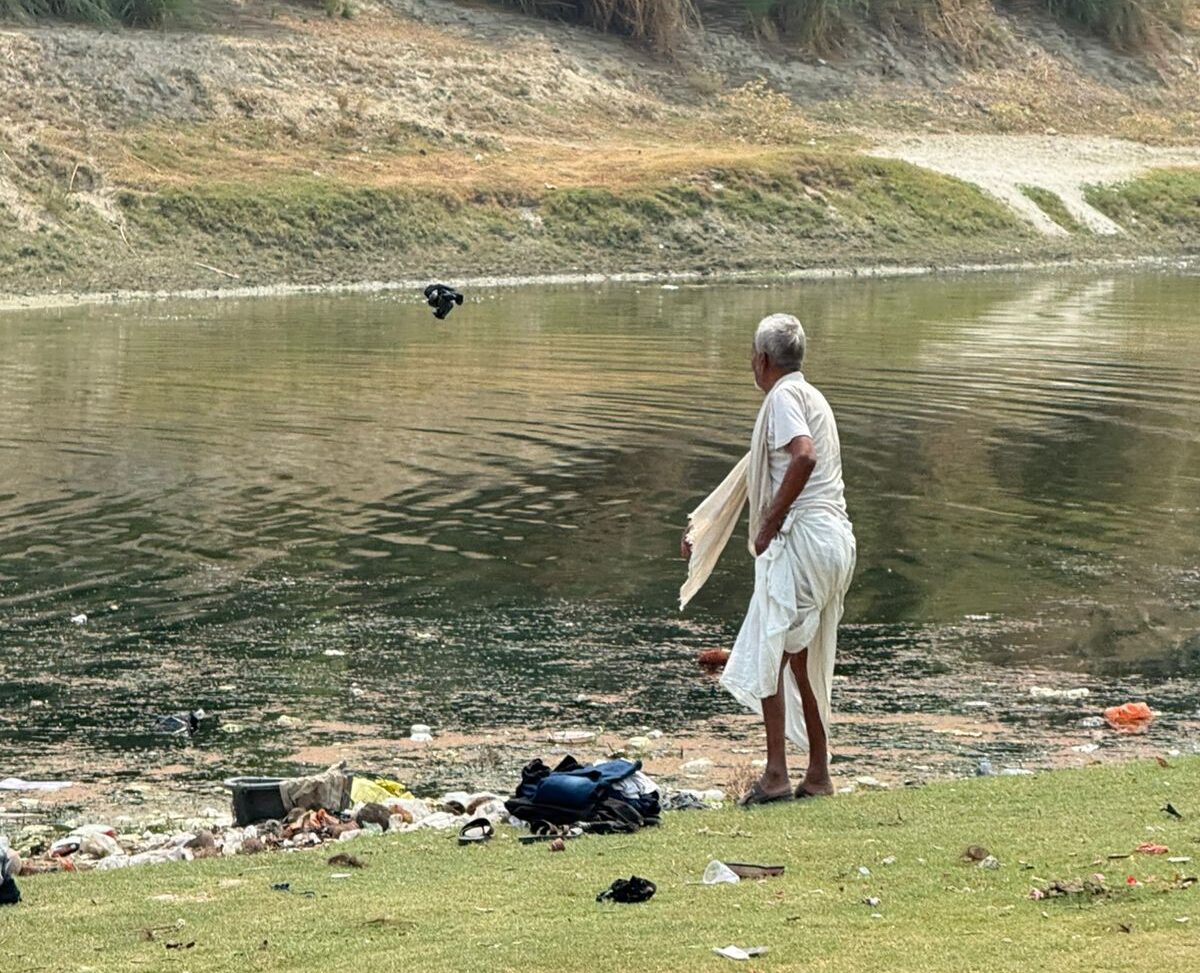
Each day, pilgrims flock to the temple, leaving behind a trail of religious relics—flowers, used clothes, broken idols, and other puja materials—dumped unceremoniously along the riverbank or cast into the Sai’s waters. What begins as an act of devotion ends in ecological harm, with polluted waters, foul odours, and threats to aquatic life and public health. The irony is stark: a place meant to purify the soul is inadvertently poisoning the environment.
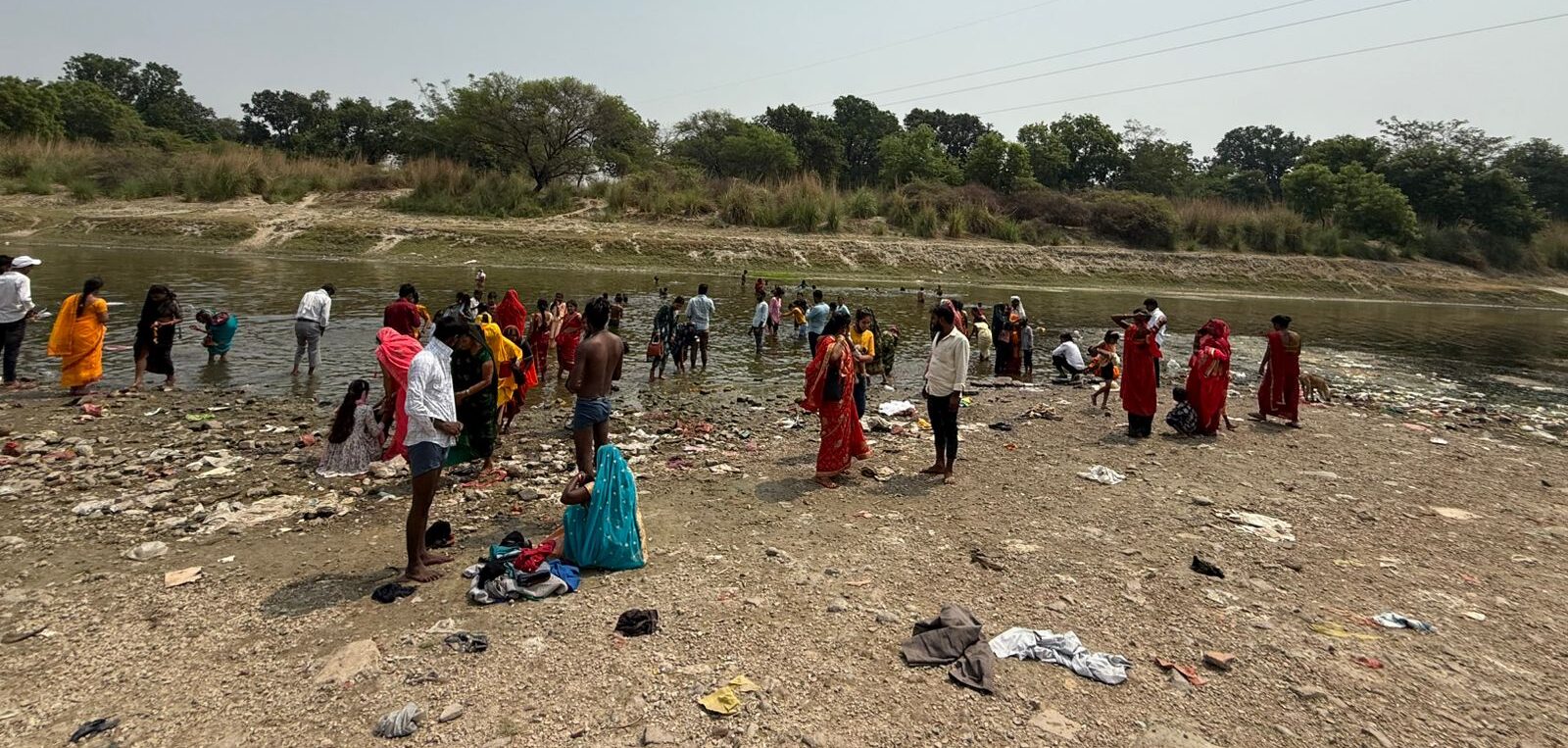
The Sai River, a lifeline for both the temple’s spiritual aura and the region’s biodiversity, is choking under the weight of this neglect. Experts warn that unchecked pollution could lead to irreversible damage, tarnishing the cultural heritage of Chauharjan Devi Dham and endangering the health of communities downstream. “It’s heartbreaking to see a sacred river treated like a dump,” said local environmentalist Rakesh Sharma. “Faith should uplift, not degrade, our natural world.”
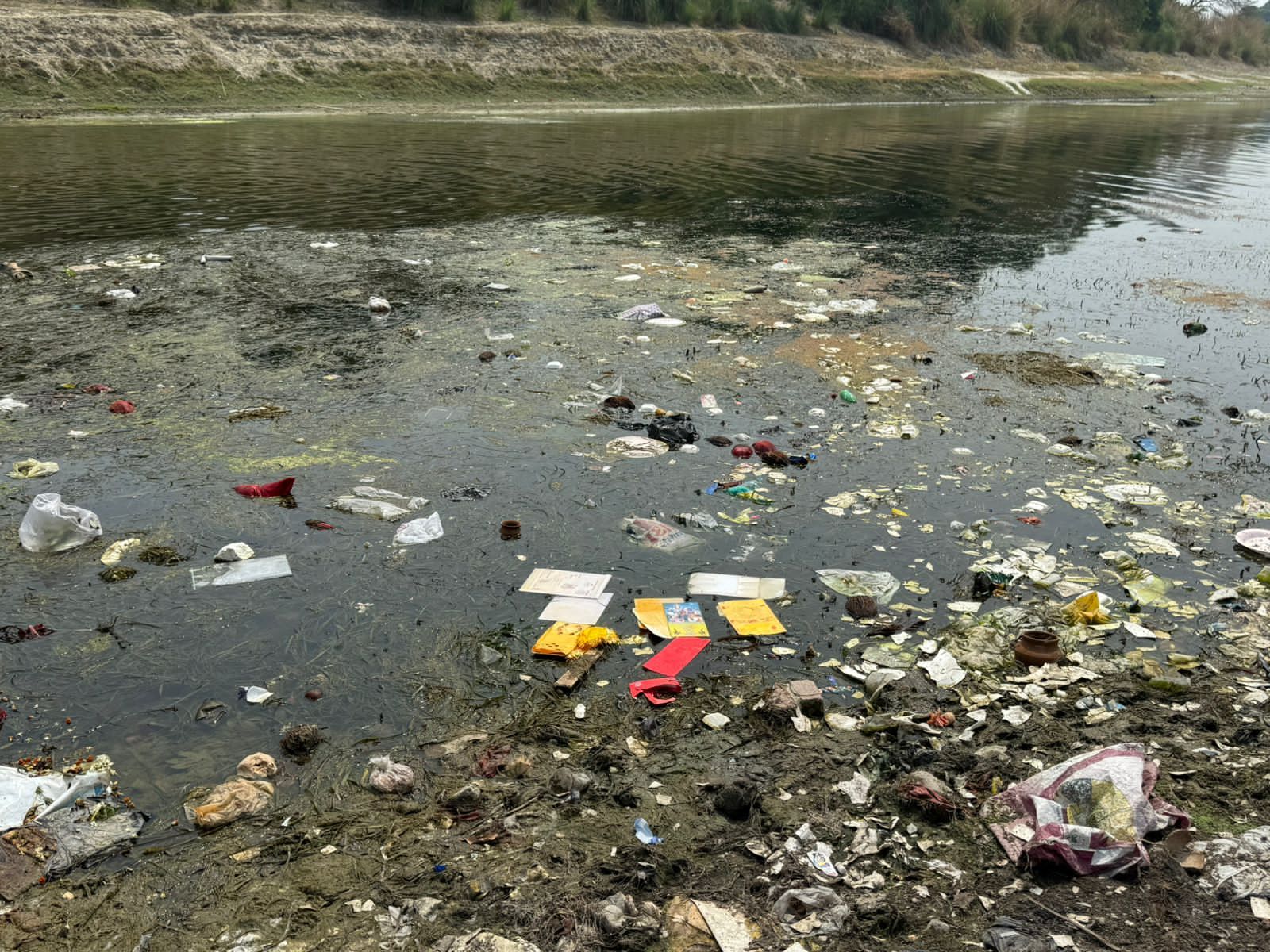
This issue stands in stark contrast to national efforts like Swachh Bharat Abhiyan, which champions cleanliness and civic pride. Yet, the sight of littered riverbanks reveals a disconnect between policy and practice. Devotees, often unaware of the harm caused by traditional disposal methods, continue practices that clash with modern environmental needs. “We offer prayers for blessings, but we must also protect the river that blesses us,” said temple regular Meena Devi.
Local authorities and temple officials are now under pressure to act. Proposed solutions include installing designated waste bins for biodegradable and non-biodegradable materials, launching regular riverbank cleanups, and running awareness campaigns to guide devotees toward eco-friendly practices. Signage urging respect for the river could serve as a gentle nudge, reminding visitors that true devotion extends to preserving the environment.
The path forward requires collective action. Environmental groups, temple authorities, and the community must unite to safeguard this sacred space. The Sai River is more than a waterway—it’s a living thread of Pratapgarh’s heritage, weaving faith and nature together. Protecting it is not just a civic duty but a sacred obligation.
As the sun sets over Chauharjan Devi Dham, casting a glow on the Sai’s troubled waters, the call is clear: let devotion inspire preservation, not pollution.
*Environmental Activist