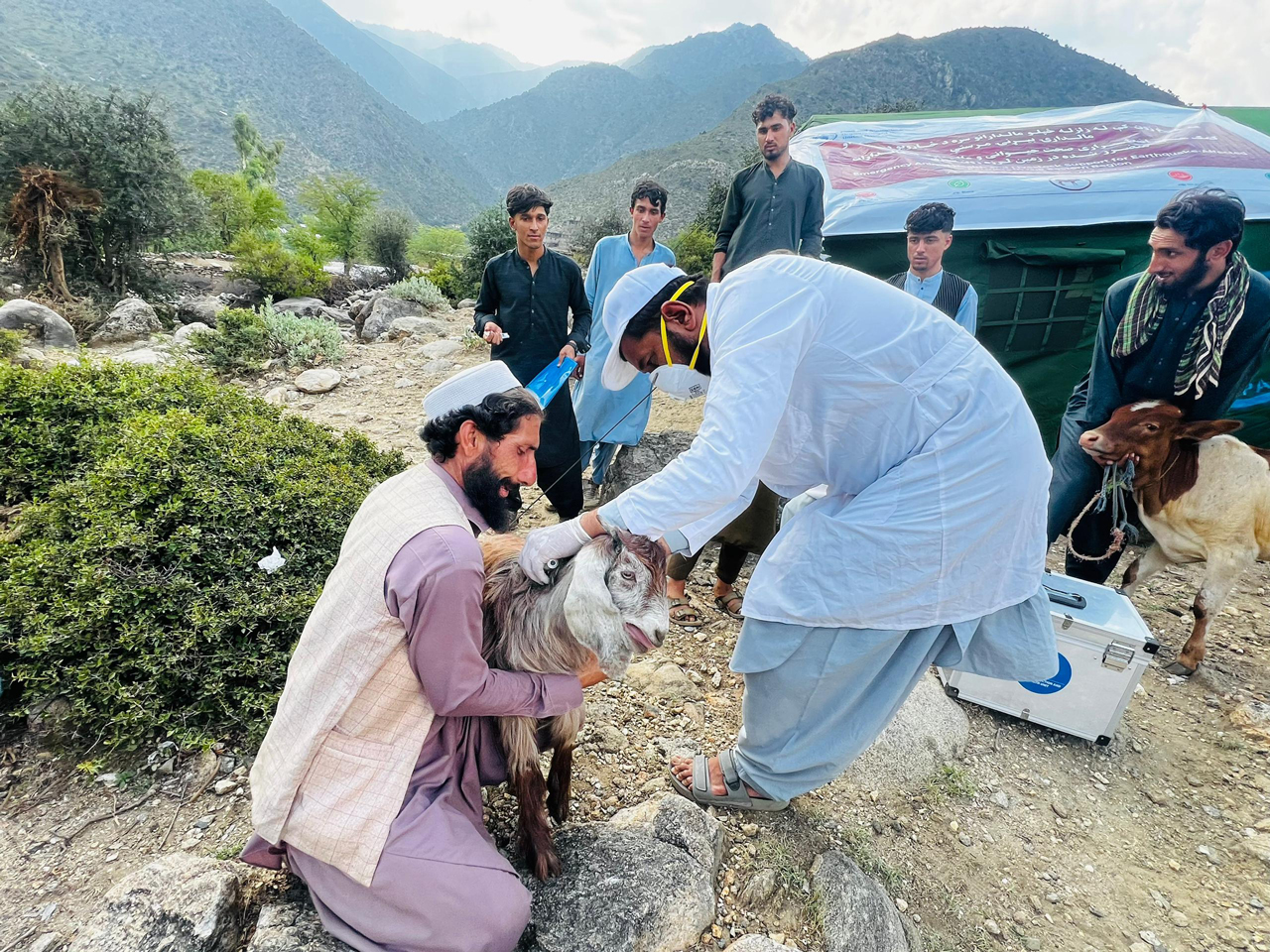
As winter approaches, beyond the 445 km² of irrigated farmland now at risk, over 500 000 animals too face health threats in quake hit regions of Afghanistan. © FAO
Earthquake Deepens Afghan Food Crisis
Kabul: Winter is just weeks away, and farmers in Afghanistan’s Kunar and Nangarhar provinces face a desperate struggle to protect their few surviving animals and prepare their land after a 6.0 magnitude earthquake struck on August 31, 2025.
The looming cold threatens to wipe out what little remains of their livestock and crops, pushing families toward deeper hunger in 2026. The earthquake hit near the Pakistan border, shaking the ground close to midnight. Violent aftershocks triggered landslides, blocked roads, and isolated communities already worn down by years of drought, seasonal floods, and economic hardship.
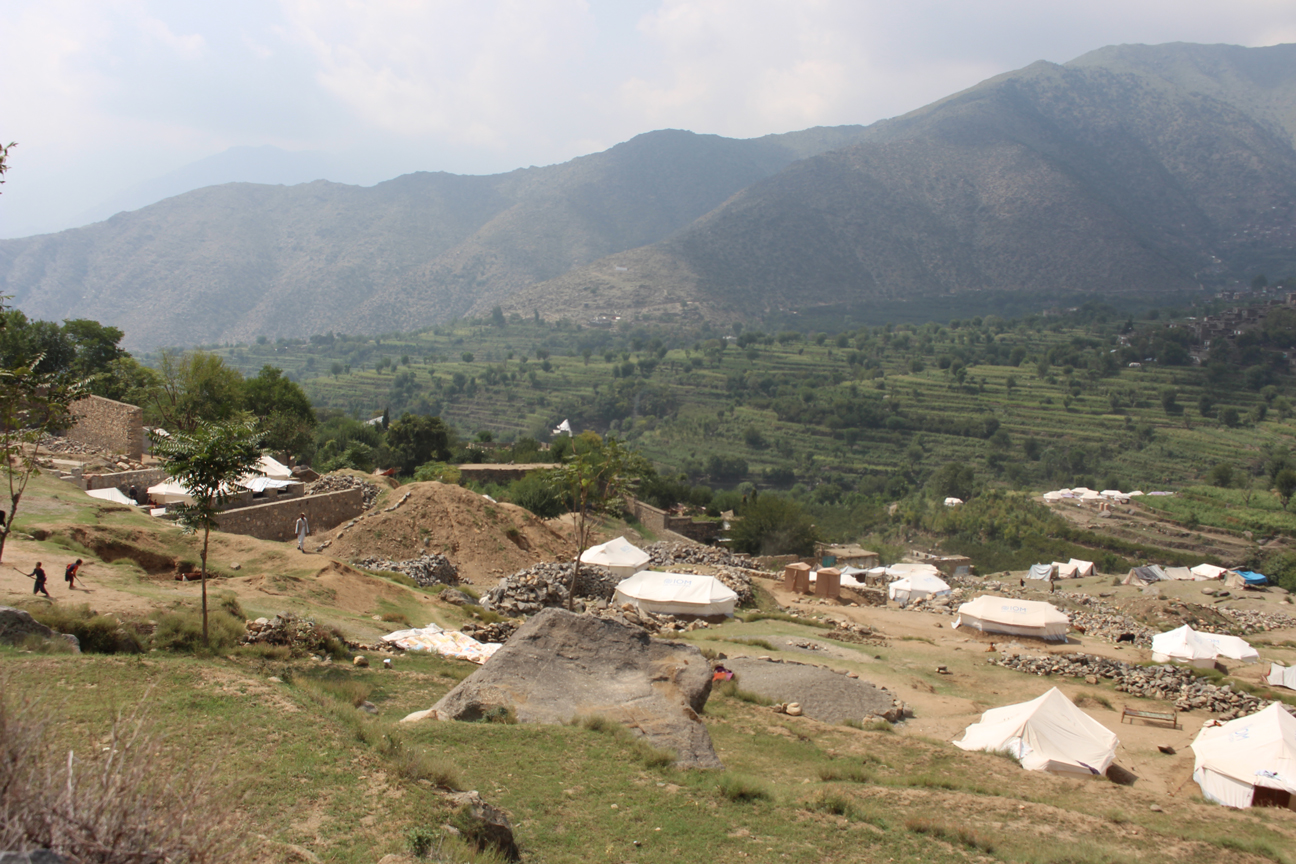
In Shumash village, Kunar, home to nearly 800 families, every house is now uninhabitable. Families live in tents in open fields or temporary camps. Suliman, a farmer from Shumash, recalls the terror: “It was close to midnight when the ground shook. It felt like Judgment Day. People were screaming, homes were collapsing, and in an instant, we lost everything—our families, our fields, even our animals.” Before the quake, most families had 10 to 15 animals, vital for food and income. Now, they have only two or three, with many crushed under rubble or swept away by landslides. “Without them, we lose not just food, but the little income we had,” Suliman says, his voice heavy with loss.
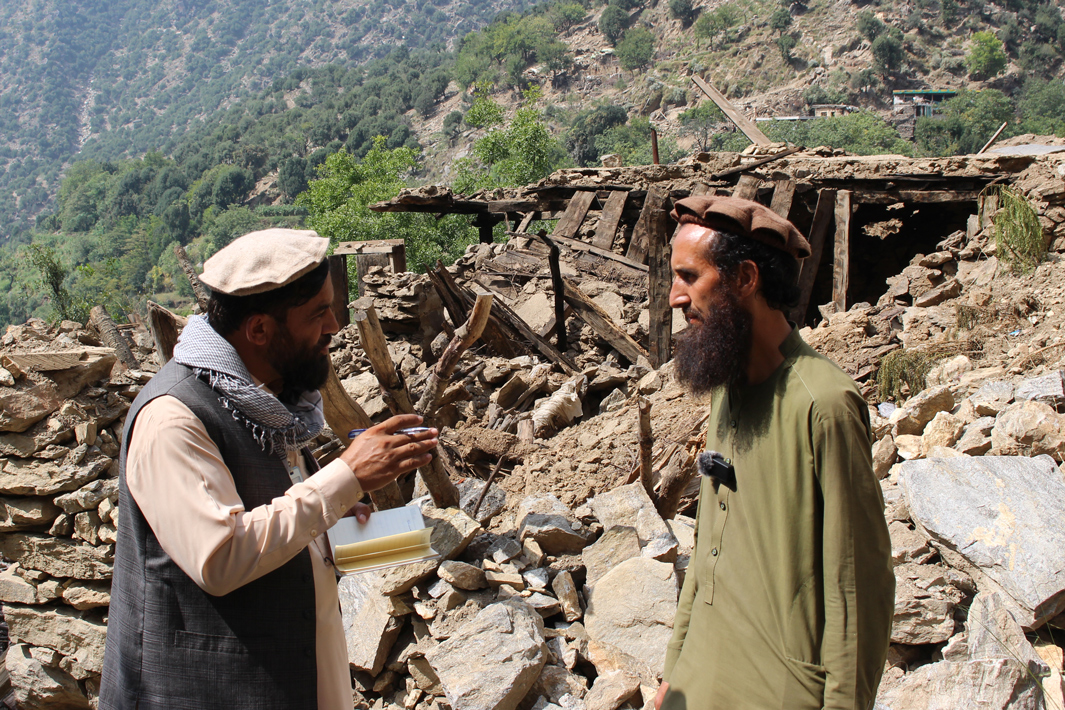
In Atran village, Nangarhar, Habibullah walks through the ruins of his home and fields. “The earthquake destroyed everything,” he says, pointing to shattered maize fields, dried-up fruit trees, and a collapsed water channel. His animal shelters are gone, and the few surviving livestock face a harsh winter. “With winter coming, we fear losing the rest,” he says, his eyes fixed on the barren land. These communities were already struggling before the quake. Nearly 950,000 people in Kunar and Nangarhar faced acute food insecurity, a number now expected to rise sharply. Returnee families, who had recently come back with almost nothing to restart their lives, are hit especially hard by this disaster.
The Food and Agriculture Organization of the United Nations (FAO) stated today that it is working “tirelessly” to help. By September 29, 2025, FAO’s Veterinary Field Units (VFUs) treated 1,163 animals to prevent disease outbreaks. They also safely disposed of over 5,600 animal carcasses in Kunar’s worst-hit districts to stop zoonotic diseases and water contamination. Rapid assessments done days after the quake showed water access as the top need. Destroyed or blocked irrigation canals left families without safe drinking water or water for crops and animals. FAO teams are clearing and restoring canals to save 445 km² of farmland. Summer crops like maize and beans need one final irrigation for a successful October harvest. Over 500,000 animals are at risk, with stored feed contaminated by debris and shelters destroyed. Families who depend on maize, wheat, beans, rice, milk, and meat are struggling to feed their children. FAO teams have trekked three to three-and-a-half hours through mountainous terrain, navigating landslides and debris, to reach remote villages. Shamsher, a livestock keeper in Kunar, praises their efforts: “It takes hours to reach the site and bury the animals, but FAO teams are here, helping us.”
Winter makes the situation urgent. Families must prepare land and protect animals now to secure next year’s harvest. If they miss this window, hunger could deepen through 2026. FAO plans cash-for-work programs to hire locals to rebuild animal shelters. This will put money in families’ hands and help the local economy. FAO has appealed for $23.4 million to provide emergency aid, including fixing irrigation systems, restoring veterinary services, supplying feed, and restocking livestock to meet basic needs. A Joint United Nations Rapid Needs Assessment is underway, with FAO leading the agriculture part. They are using their expertise and strong community ties to measure losses in crops, livestock, and irrigation systems and plan recovery.
The United Nations Central Emergency Response Fund (CERF) and FAO’s Special Fund for Emergency and Resilience Activities (SFERA) are funding these efforts. FAO’s work aims to protect food security, livelihoods, and dignity for families like Suliman’s and Habibullah’s, who hold on to hope despite their losses. Suliman grips his last goat, a symbol of what remains. “This is all we have left,” he says softly. “With help, maybe we can start again.” As FAO teams push through mountains and despair, they offer a lifeline to communities fighting to rebuild, one harvest, one animal, one day at a time.
– global bihari bureau