Food Production Climbs, But FAO Warns of Avian Flu, Fish Fraud Risks
Rome: The Food and Agriculture Organization of the United Nations (FAO) released its biannual Food Outlook report, forecasting record global production for rice, maize, sorghum, and oilseeds in 2025, while sugar production is expected to decline. The comprehensive 104-page report provides detailed market assessments for major food commodities, including wheat, coarse grains, rice, oilcrops, sugar, meat, dairy, and fisheries, alongside updated forecasts for production, trade, utilisation, and stocks. It also includes special thematic chapters addressing highly pathogenic avian influenza (HPAI), shifts in global grain and fertiliser trade since 2022, economic incentives for fish fraud, and the implications of decarbonising the maritime sector for food-importing nations. Despite optimistic production trends, FAO Chief Economist Máximo Torero cautioned that global food security faces increasing risks from adverse weather, geopolitical tensions, trade policy uncertainties, and economic pressures.
Global wheat production is projected to rise modestly to 797 million tonnes in 2025, driven by a 13% yield increase in the European Union due to favourable weather and a record harvest in India fueled by expanded planting areas. Global per capita wheat consumption, however, is expected to decline slightly. Coarse grain production, including maize, sorghum, and barley, is forecast to increase by 3.4% to 1.56 billion tonnes, reaching a record high. This growth is led by strong prospects in Brazil, the EU, and the United States, where maize output is expected to surge by 6.0% due to expanded sowings. Improved weather conditions are also anticipated to boost maize production in Southern Africa, particularly in South Africa and Zambia, following drought-related challenges in 2024.
World rice production is forecast to reach a record 551.5 million tonnes, a 0.9% increase from 2024, primarily driven by production gains in Asia, particularly in India, Indonesia, and Bangladesh. International rice trade is projected to expand by 1.4% to 60.5 million tonnes, a new high, fueled by strong import demand from Africa and rising exports from India, Thailand, and South America. Global per capita rice consumption, critical for human diets, is expected to rise, with a notable 2% increase in Low-Income Food-Deficit Countries (LIFDCs), reflecting rice’s role as a staple in vulnerable regions.
Oilcrop production, including soybeans and rapeseed, is expected to hit record levels, with global oilseed output projected at 660 million tonnes, up 2.8% from 2024, driven by strong harvests in the U.S., Brazil, and Argentina. In contrast, global sugar production is anticipated to decline by 1.2% to 178 million tonnes due to lower yields in Brazil and Thailand, impacted by unfavourable weather and reduced planting areas. Meat production is expected to grow by 1.8% to 374 million tonnes, with poultry and pork leading gains, while dairy output is forecast to rise by 1.5% to 930 million tonnes, supported by increased milk production in India and the EU.
The global food import bill reached $2.1 trillion in 2024, a 3.6% increase from 2023, driven by a 29.3% surge in costs for coffee, tea, cocoa, and spices, an 8.1% rise for fruits and vegetables, and a 5.6% increase for meat products. Cereal import costs, however, fell by 4.6%, reflecting lower global prices for wheat and maize. In 2025, trade tensions, policy uncertainties, and supply chain disruptions could further inflate import costs, particularly for tropical beverages and animal products, with impacts varying by country based on import dependency and alternative supply options.
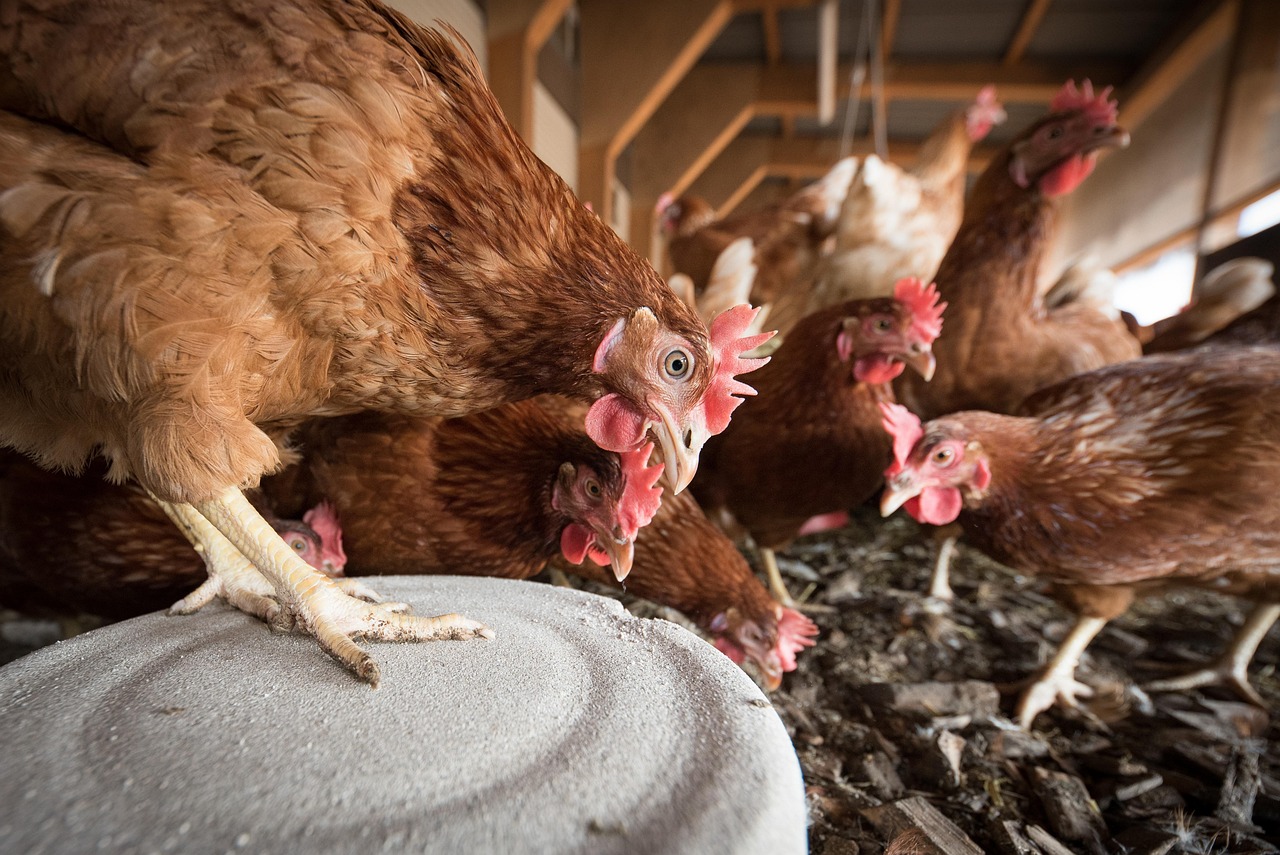
The report highlights the severe impact of HPAI on the poultry sector, described as “one of the most significant biological threats” to global poultry production. Since 2022, HPAI has affected over 173 million chickens in the U.S. alone, with outbreak management and farmer indemnity costs exceeding $1.4 billion as of late 2024. Global hen egg production reached 91 million tonnes (approximately 1.7 trillion eggs) in 2023, with China contributing 38%, followed by India (8%) and the U.S. (7%). Egg trade nearly doubled to 2.2 million tonnes in 2024, driving price volatility. Brazil, the world’s third-largest poultry meat producer and accounting for nearly 30% of global exports, reported its first commercial HPAI case in 2025, raising concerns for supply chains. The egg-laying sector is particularly vulnerable due to longer production cycles, unlike broiler chickens raised in closed systems.
The report’s thematic chapters provide deeper insights into emerging challenges. Global grain trade has shown resilience despite geopolitical disruptions, with Russia and Ukraine maintaining a combined 24% share of global wheat, maize, and barley exports in 2024. Russia’s fertiliser exports grew to 20% of the global market, up from 15% in 2022, while global fertiliser prices dropped to $437 per tonne in May 2025 from a peak of $815 in April 2022, driven by lower energy costs and improved supply. Fish fraud, including species substitution and mislabeling of catch origins, affects 37% of global seafood trade, exacerbated by complex supply chains and economic incentives. Decarbonising the maritime sector could increase shipping costs by 2-5% by 2030, disproportionately impacting net food-importing developing countries, particularly small island states reliant on food imports.
Global fishery production is projected to reach 208 million tonnes in 2025, up 1.2%, with aquaculture contributing 53%. However, fish fraud risks undermine consumer trust and market integrity. The report also notes that global food stocks for cereals are expected to rise by 2.7% to 890 million tonnes, providing a buffer against supply shocks, though regional disparities persist, particularly in LIFDCs.
Despite robust production forecasts, the FAO warns that vulnerabilities—adverse weather, disease outbreaks, trade disruptions, and environmental challenges—could jeopardise food security. Policymakers must address these risks to ensure stable supplies and affordable prices, particularly for vulnerable populations.
– global bihari bureau