Credits: ©WHO / Eugene Kabambi
Sudan, Chad Face Worsening Cholera Outbreaks; WHO Warns of Spike in Conflict Zones
Geneva: The global cholera crisis is spiralling, with over 390,000 cases and 4,300 deaths reported across 31 countries this year, driven by conflict and poverty, the World Health Organization (WHO) warned at a UN Palais press briefing. As outbreaks surge in Sudan, Chad, the Democratic Republic of the Congo, South Sudan, and Yemen, the WHO has called for urgent funding, vaccine deployment, and safe access to aid to curb a preventable yet deadly disease.
Kathryn Alberti, WHO Technical Officer for cholera, highlighted the alarming toll: 390,723 cases and 4,332 deaths in 2025, likely underreported, reflecting a “collective failure” to address a treatable illness. Sudan faces the worst outbreak, with nearly 50,000 cases and 1,094 deaths across all states, a 2.2% fatality rate exceeding the 1% threshold for adequate treatment, per WHO data. Conflict has fueled the spread, particularly in Darfur, where cases are rising, and neighbouring Chad reports over 500 cases and 30 deaths in Ouadai province since July. The Democratic Republic of the Congo, South Sudan, and Yemen also face severe outbreaks, with 44,521 cases and 1,238 deaths, 70,310 cases and 1,158 deaths, and 60,794 cases and 164 deaths, respectively.
Conflict-driven displacement is worsening the crisis, pushing people into overcrowded camps with scarce clean water. In Tawila, North Darfur, the population has quadrupled to 800,000, leaving residents with just 3 litres of water daily for all needs—far below survival thresholds. The rainy season, now underway, threatens to exacerbate sanitation issues and flood roads, hindering aid delivery in Darfur and Chad. WHO has responded by establishing 17 cholera treatment centres with 670 beds in Darfur, deploying rapid response teams, training health workers, and coordinating cross-border efforts with Chad. However, violence and bureaucratic barriers block access to large parts of Darfur and Kordofan, crippling response efforts.
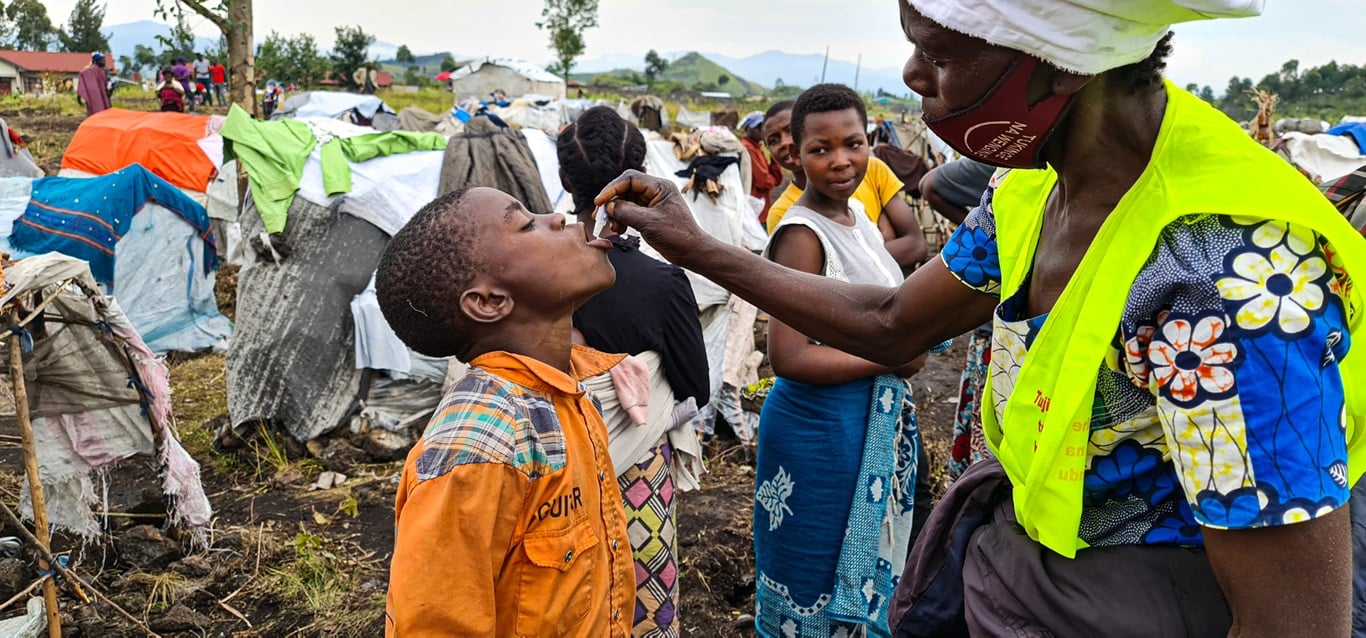
Vaccine supply is a critical bottleneck. Since December 2024, oral cholera vaccine production has reached a record 6 million doses monthly, the highest since 2013, driven by new formulations, according to the International Coordinating Group on Vaccine Provision (ICG). Yet, demand outpaces supply, with 38 requests from 12 countries in 2025—triple last year’s rate—allocating over 40 million doses, 85% to crisis-hit nations like Sudan, which received a third of the total. Alberti stressed that overextended resources, data gaps, and funding shortfalls hamper the response, with humanitarian crises amplifying cholera’s spread in conflict zones.
The WHO’s linked cholera upsurge page notes a global resurgence since 2021, with 44 countries reporting cases in 2022, a 25% rise from 2021, and higher fatality rates. Climate change, poverty, and conflict exacerbate outbreaks, creating ideal conditions for the Vibrio cholerae bacterium to thrive in contaminated water and food. WHO classified the resurgence as a grade 3 emergency in January 2023, its highest level, and continues to assess the global risk as very high due to ongoing outbreaks and vaccine shortages.
WHO urged governments and the international community to mobilise funding, ensure safe aid access, and invest in long-term prevention through water, sanitation, and surveillance systems. “No one should die because they don’t have access to safe water,” Alberti emphasised, underscoring the preventable nature of cholera’s toll. With the next rainy season looming, the global response faces a critical test to halt a crisis that thrives on systemic failures and threatens millions in vulnerable regions.
– global bihari bureau