Two Years of War Leave 84% of Gaza in Ruins, UN Reports
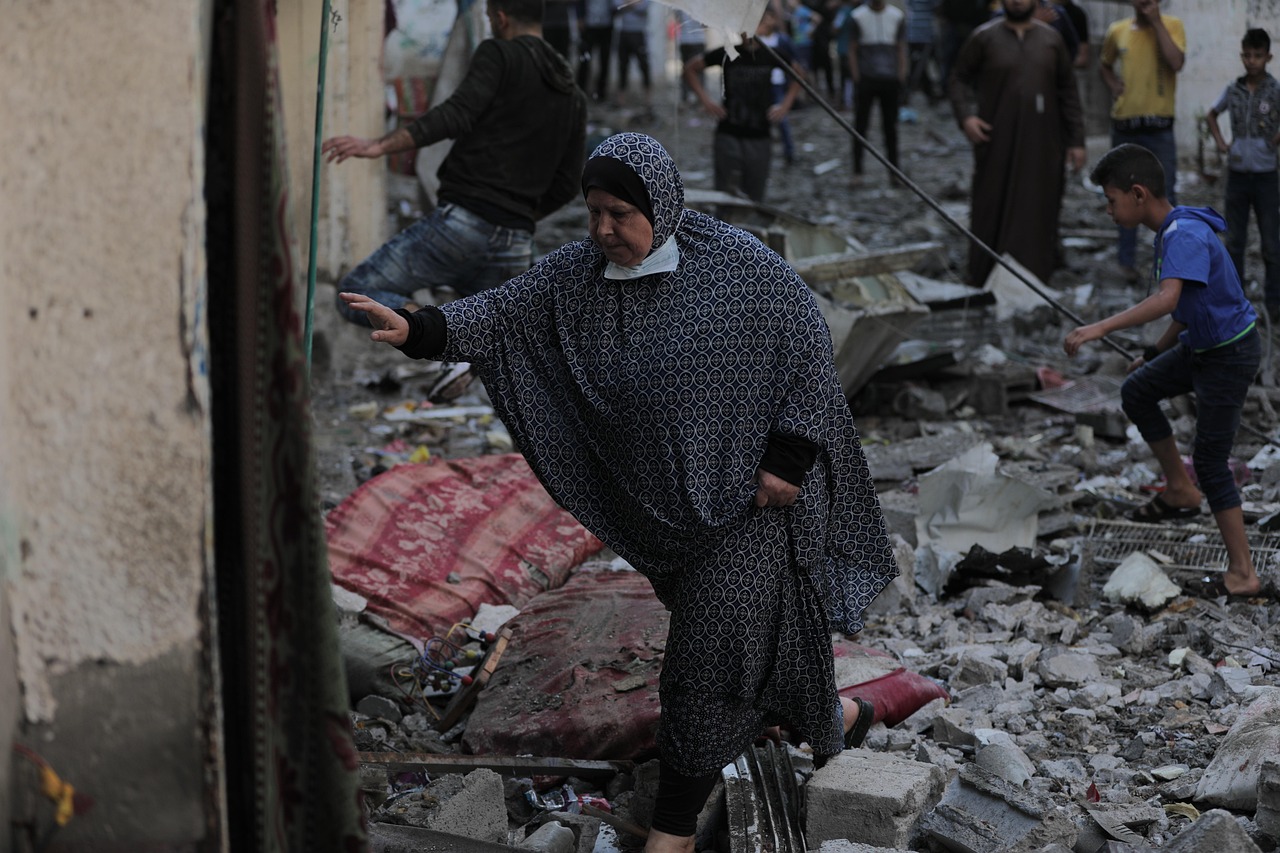
Gaza/Jerusalem/Geneva: Gaza, the densely populated Palestinian territory along the Mediterranean coast bordered by Israel and Egypt, has streets scarred, homes reduced to rubble, and residents navigating a precarious ceasefire.
After two years of almost continuous conflict, United Nations development experts estimate that $70 billion will be needed to reconstruct the territory and restore safety for its 2.1 million residents. Aid agencies warn that relief operations remain insufficient, leaving thousands of Palestinians struggling to access basic necessities despite recent international attention.
At just 41 kilometres long and two to five kilometres wide, few places in Gaza have been left unscathed by bombardment, with destruction reaching 84 per cent overall and up to 92 per cent in parts of Gaza City, according to UN Development Programme (UNDP) Special Representative Jaco Cilliers. Speaking from Jerusalem, he highlighted the findings of the latest Interim Rapid Damage and Needs Assessment (IRDNA) on Gaza by the UN, the European Union, and the World Bank, which estimated the damage at $70 billion. To kickstart the massive operation, some $20 billion will be required in the next three years alone, he told journalists.
The UN development agency is present in Gaza alongside humanitarian partners to provide immediate support to the territory’s residents. This includes providing clean water, emergency employment, medical supplies, solid waste removal, and making homes and public spaces safe by clearing rubble that may conceal unexploded ordnance or the thousands of missing Palestinians.
“We’ve already removed about 81,000 tonnes. That is about…3,100 truckloads,” Cilliers explained. “The majority of the debris removal is at the moment to provide access to humanitarian actors so that they can provide the much-needed aid and support to the people in Gaza. But we also help with hospitals and other social services that need to be cleared of debris.”
Cilliers also noted “very good indications” from potential donors supporting reconstruction from Arab States, as well as European nations and the United States, “which has also indicated that they are going to be coming in supporting some of the early recovery efforts.”
While reconstruction is critical for Gaza’s long-term recovery, UN humanitarians emphasised the urgent need for Israel to open all access points into the territory. This appeal came after the release of the remaining 20 living Israeli hostages and several Palestinian prisoners. The developments followed a ceasefire deal between Hamas and Israel signed in Sharm El-Sheikh by US President Donald Trump and the leaders of Egypt, Qatar, and Turkey.
Earlier, UN Secretary-General António Guterres welcomed the release of all living hostages from Gaza, two years after some 250 were taken during Hamas-led attacks in Israel on 7 October 2023. On Tuesday, attention shifted to the transfer of deceased hostages from Gaza, an extremely difficult process overseen by the International Committee of the Red Cross (ICRC). It remains unclear how many deceased hostages will be transferred by Hamas.
“When it comes to the living hostages or Palestinian detainees—and believe me that’s a big issue for us—we actually don’t know, we know that we have to be ready,” said ICRC spokesperson Christian Cardon. “We know that it’s happening today, it’s starting today.”
Meanwhile, aid needs in Gaza remain enormous and “fluid,” with more than 300,000 Palestinians moving north to Gaza City since Friday as the ceasefire appeared to take effect.
“The enthusiasm that came from the international community, from people on the ground that this was the beginning of the end of all the suffering and things would change rapidly, is just not being reflected on the ground, day in and day out. We are not getting enough aid in,” said UN Children’s Fund (UNICEF) spokesperson Ricardo Pires.
The Israeli authorities have agreed to allow 190,000 tonnes of relief supplies into Gaza, and UN agencies and their partners are scaling up operations rapidly. However, a much greater amount of aid remains urgently needed, according to humanitarian agencies including OCHA.
“Of course, we are advocating with everyone, and we were there in Sharm El-Sheikh yesterday as well, with 22 heads of state of government, who we are asking to help us push all buttons you can to get this up and running as soon as possible,” said OCHA spokesperson Jens Laerke. “Of course we’re doing that.”
Aid teams emphasise the need to shift away from distributing lifesaving supplies from remote and difficult-to-access areas, including non-UN hubs, where hundreds of Palestinians have been shot or injured.
“Most of the actors—ICRC included—were not able to organise sufficient distribution of aid inside Gaza,” said Cardon. “And what we’ve seen instead it’s people coming back from distribution sites being wounded, if not killed, in many instances…It’s about aid coming to the people and not any more people going to the aid.”
– global bihari bureau