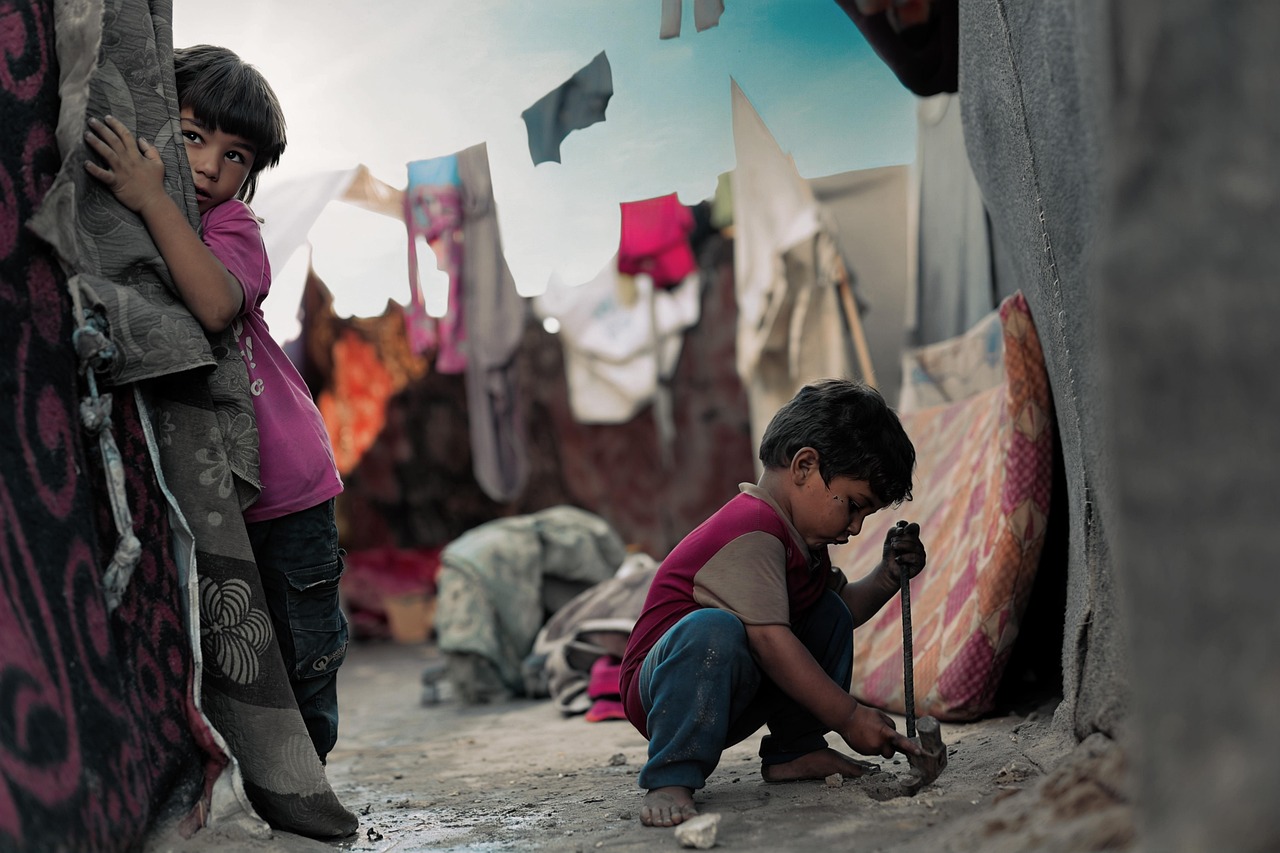
Geneva: Planned Israeli military operations in Gaza City threaten to deepen the region’s humanitarian crisis, the United Nations warned today.
Thameen Al-Kheetan, spokesperson for the United Nations Office of the High Commissioner for Human Rights (OHCHR), stated today in Geneva, “There are risks of mass displacement, more killings, and more misery than we have already seen in the Gaza Strip,” noting that people with disabilities, the injured, children, and women are particularly vulnerable to the effects of ongoing conflict and limited aid access.
Israeli Prime Minister Benjamin Netanyahu, speaking in Tel Aviv after visiting the Gaza Division and meeting with Israel Defense Forces (IDF) senior command yesterday, confirmed plans for operations in Gaza City, emphasising the IDF’s aim to defeat Hamas and secure the release of hostages, while claiming that Hamas is under significant pressure.
This warning aligns with concerns about insufficient humanitarian aid, as reported by the United Nations Office for the Coordination of Humanitarian Affairs (OCHA). Al-Kheetan explained that Israeli authorities have restricted aid to minimal quantities in recent weeks, far below what is needed to prevent widespread hunger.
The United Nations reported yesterday that hunger-related deaths, including among children, continue in the Gaza Strip. Jens Laerke, OCHA spokesperson, stated that “it has already gotten worse,” citing a five-month ban on shelter materials, such as tentpoles classified as potential dual-use items for civilian or military purposes.
This ban has displaced or re-displaced over 700,000 people. Although Israeli authorities announced the ban’s lifting, Laerke confirmed that as of August 18, 2025, no shelter materials had entered Gaza due to issues like customs clearance. Partners estimate that 1.35 million Gazans need emergency shelter, with existing tents worn out from prolonged sun exposure and frequent relocations.
Compounding these issues, Israeli military operations in northern Gaza, alongside orders for Palestinians to move to Al-Mawasi, have intensified challenges for civilians and aid workers. Al-Kheetan reported that hundreds of thousands in Al-Mawasi lack access to food, water, electricity, and tents, with airstrikes ongoing in the area. He noted that 1,857 Palestinians have been killed while seeking aid since May 27, 2025, when the United States and Israel-backed Gaza Humanitarian Foundation began operations. Of these, 1,021 deaths occurred near aid distribution sites and 836 along supply truck routes, with most attributed to Israeli military actions. Laerke highlighted that frequent displacement forces people to abandon tents, overcrowding southern Gaza and complicating aid delivery efforts.
In response to these interconnected challenges, the United Nations continues to urge unimpeded access to humanitarian aid to meet Gaza’s escalating needs, where restrictions, ongoing conflict, and planned military operations, as affirmed by Netanyahu’s statement, threaten civilian lives.
– global bihari bureau