Gaza’s Hospitals Drop to 14 Amid Attacks as Four More Facilities Shut in September
Closures Leave Gaza Patients in Peril
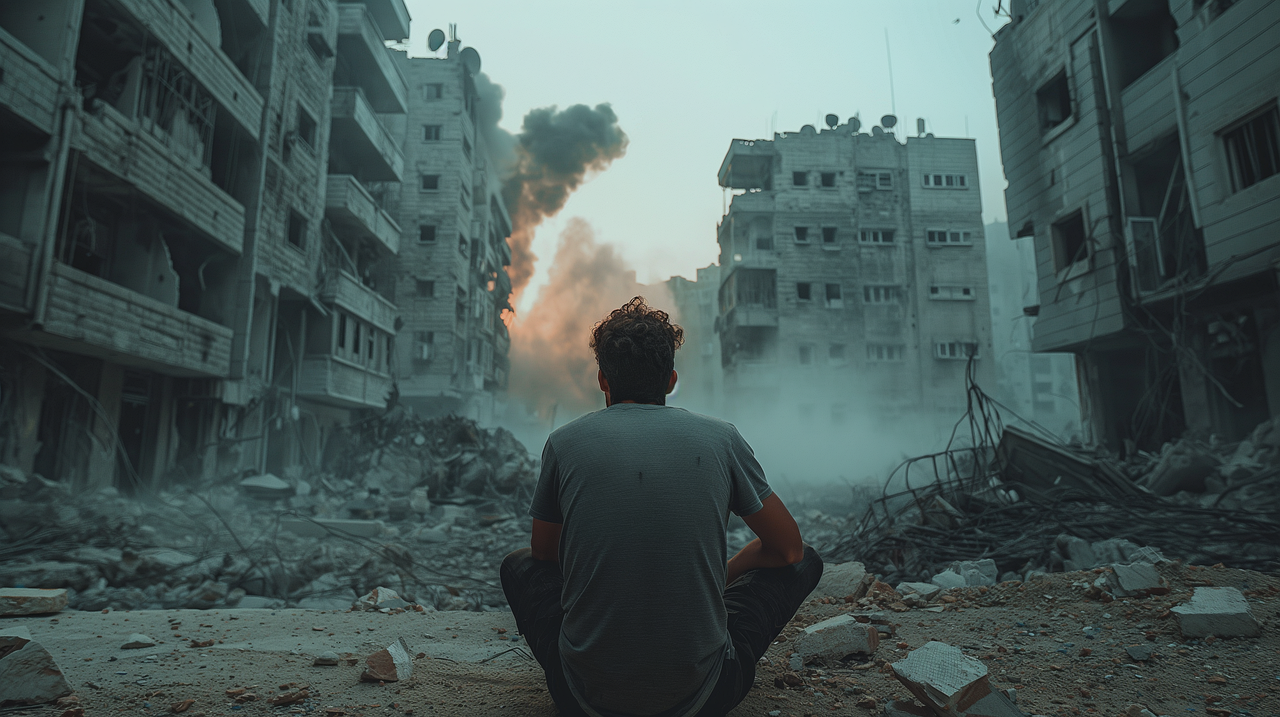
Gaza City/Geneva: Four hospitals in northern Gaza—Al Rantisi Children’s Hospital, Ophthalmic Hospital, St. John Eye Hospital, and Hamad Hospital for Rehabilitation and Prosthetics—shut down this month amid the ongoing Israeli military offensive in Gaza City, the World Health Organization (WHO) reported in Geneva today. Only 14 hospitals remain operational across Gaza, leaving thousands of patients, including children and the critically injured, without adequate care. Gaza City forms the backbone of the Gaza Strip’s health system since almost half of all hospitals and field hospitals in the enclave are based there.
Israeli forces, aiming to dislodge Hamas fighters, continue operations in Gaza City, issuing evacuation orders that have displaced hundreds of thousands, including patients and medical staff, and disrupted numerous health facilities. WHO spokesperson Tarik Jasarevic stated, “Even if hospitals are not asked to evacuate, there is a lack of access, there is violence just nearby, and that can put them out of service.”
The eight hospitals and one field hospital remaining in Gaza City face critical conditions, overwhelmed by casualties from strikes while treating non-trauma patients. “Hospitals in the south are overwhelmed and can’t absorb more,” WHO warned in a statement today, which noted that the enclave’s remaining hospitals include eight in Gaza City, three in Deir al Balah, and three in Khan Younis. None is functioning at full capacity.
Hamad Hospital, one of three main rehabilitation centres in Gaza, served 250 outpatients daily and 200 patients at its trauma stabilisation point before closing, severing vital care for those injured seeking aid. Al Rantisi, Gaza’s only specialised paediatric hospital, was directly hit on September 16, damaging water tanks, communication systems, and medical equipment. Eighty patients were inside; 40 remain, including four children in intensive care and eight newborns, facing life-threatening conditions. Half fled for safety, and most equipment was transferred to Al Helou, As Sahaba, and Patient Friendly hospitals in Gaza City.
Eleven of 12 reported attacks on healthcare between September 7 and 17, 2025, targeted Gaza City, with one in Khan Younis. Jasarevic said, “More violence only means more injured people. It means more casualties, more deaths, and it means less access.” Over 15,000 patients, including those with severe injuries and chronic conditions, urgently need medical evacuation, but the process is slow. Shortages of medical supplies, restricted access for health workers, and multiple displacements deepen the humanitarian crisis. WHO called for a ceasefire and unhindered access to deliver medical supplies and deploy emergency medical teams to support Gaza’s collapsing health system.
Additional details from humanitarian updates indicate that 94 per cent of hospitals in Gaza have been damaged or destroyed, with remaining facilities handling an average of eight mass casualty incidents per day. Al-Shifa and Al-Ahli hospitals in Gaza City operate at nearly 300 per cent over capacity, facing constant influxes of complex trauma injuries. An offensive on Gaza City could result in the loss of half the hospital bed capacity in the Gaza Strip. Resource shortages include 52 per cent of essential drugs and 68 per cent of medical disposables at zero stock.
At Nasser Medical Complex in Khan Younis, the paediatric department receives 1,000 cases in 24 hours and admits 200 children against a capacity of 40 beds, with 60 to 70 per cent of newborns premature or low-birth-weight, up from 20 per cent before October 2023. Al Aqsa Hospital in Deir al Balah, with 350 beds, uses medical tents due to overcrowding. The Kuwait Specialised Field Hospital suspended scheduled surgeries on September 18, limiting them to life-saving procedures amid shortages of medications, supplies, anaesthesia, and instruments. Blood shortages persist across hospitals.
Further incidents include the destruction of the Ash Shawa building on September 22, housing a primary health-care centre and mental health programme, rendering all Palestinian Medical Relief Society facilities non-operational. The society’s headquarters in Tal al Hawa was hit on September 24. The Jordanian field hospital relocated from Tal al Hawa to Khan Younis on September 22 due to safety concerns from shelling. The oxygen station at Al Quds Hospital stopped on September 23 after gunfire damage, relying on cylinders expected to last three days.
Between September 1 and 23, 16 medical points and 11 primary health centres in Gaza City suspended or shut services. An estimated 15,600 patients await evacuation, with 7,802 evacuated since October 2023, including 5,369 children. Seventy-seven patients were evacuated on September 17. The WHO Director-General stated on September 22 that attacks on health care must end, as continued destruction will cause more deaths and overwhelm southern hospitals.
– global bihari bureau