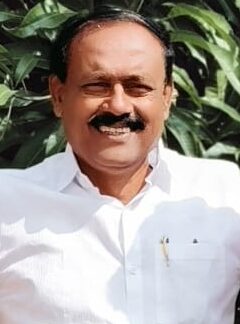
 By Prakash Patil*
Page’s Model Inspires Rural Work Programme
Maharashtra’s Blueprint Underpins India’s Rural Employment Guarantee
Sangli (Maharashtra): The Mahatma Gandhi National Rural Employment Guarantee Scheme (MGNREGA) is much in the news these days following a change in its scope under a new name—the Viksit Bharat – Guarantee for Rozgar and Ajeevika Mission (Gramin), or VB-G RAM G.
In this context, Prime Minister Narendra Modi today shared an article on the VB-G RAM G Act, 2025, written by Union Minister for Agriculture, Farmers’ Welfare and Rural Development Shivraj Singh Chouhan. Chouhan claimed in an X post today that “under the guise of MGNREGA, the UPA government delivered little to the people except widespread corruption,” and said that by introducing the VB-G RAM G Bill, “we have sought to rectify the serious lapses left behind by the Congress.”
The government maintains that VB-G RAM G views income support, asset creation, agricultural stability and long-term rural productivity as a continuum rather than as competing objectives. It also states that the new legislation was preceded by consultations with State governments, technical workshops and discussions involving multiple stakeholders.
The acknowledgement of this continuum points to the persistent relevance of employment guarantee programmes, which some economists regard as an original contribution to economic thinking. At a time when climate change, recurring droughts and livelihood insecurity are reshaping policy debates across the world, employment guarantees are again drawing global attention.
What is striking is that some of the most influential thinking on employment guarantees did not emerge from academic institutions or formal development theory. Instead, one of the world’s earliest rights-based employment models took shape in Maharashtra decades before such ideas entered global development discourse, grounded in political practice and lived rural experience.
The Maharashtra Employment Guarantee Scheme (EGS) was conceived in the aftermath of the devastating drought of 1972. At a time when public works were largely treated as discretionary relief measures, the EGS marked a decisive shift by recognising employment as a legal right of citizens rather than as an act of welfare or charity.
The principal intellectual force behind this idea was V. S. Page, a visionary leader born in Bagani village of Walwa taluka in Sangli district. Known for his simple demeanour—often seen in a dhoti and Gandhi cap—Page brought to public life decades of experience in governance and rural affairs. He served as Chairman of the Maharashtra Legislative Council for a record 18 years beginning in 1960, a position from which he helped shape the conceptual foundations of the EGS.
Page was deeply engaged with spirituality, social reform, education, literature, writing and poetry, and his policy thinking grew out of direct engagement with rural realities rather than academic abstraction. As veteran journalist Vidyadhar Date noted in a Facebook post, “The credit for the EGS in Maharashtra goes to Mr V. S. Page, but since he was not an academic, he does not count, and you will find almost nothing on him on the internet; that is the limitation of the internet, not him.” Date pointed out that extensive material on Page and the scheme exists in legislative records accessible in the council hall library, although many important reports once lay neglected in the corridors of the legislature building.
A critical institutional milestone in the evolution of the scheme was the inclusion of the word “Guarantee,” a contribution made by the late Yashwantrao Mohite of Rethare Budruk in Karad taluka. This step transformed the programme into a legally enforceable Employment Guarantee Scheme, binding the State to provide work to those who demanded it.
Recalling the significance of the debates surrounding the scheme, Date wrote that EGS proceedings were among the most intense legislative discussions of their time, often extending late into the night, long before the era of live television coverage, the internet or computers.
The scheme was further refined after Page shared the idea with the then Chief Minister Vasantrao Naik, who had extensive experience in agriculture. Naik discussed it with K. N. Dhulup, leader of the Peasants and Workers Party and Leader of the Opposition in the Maharashtra Legislative Assembly, reflecting the broad political engagement that shaped the programme.
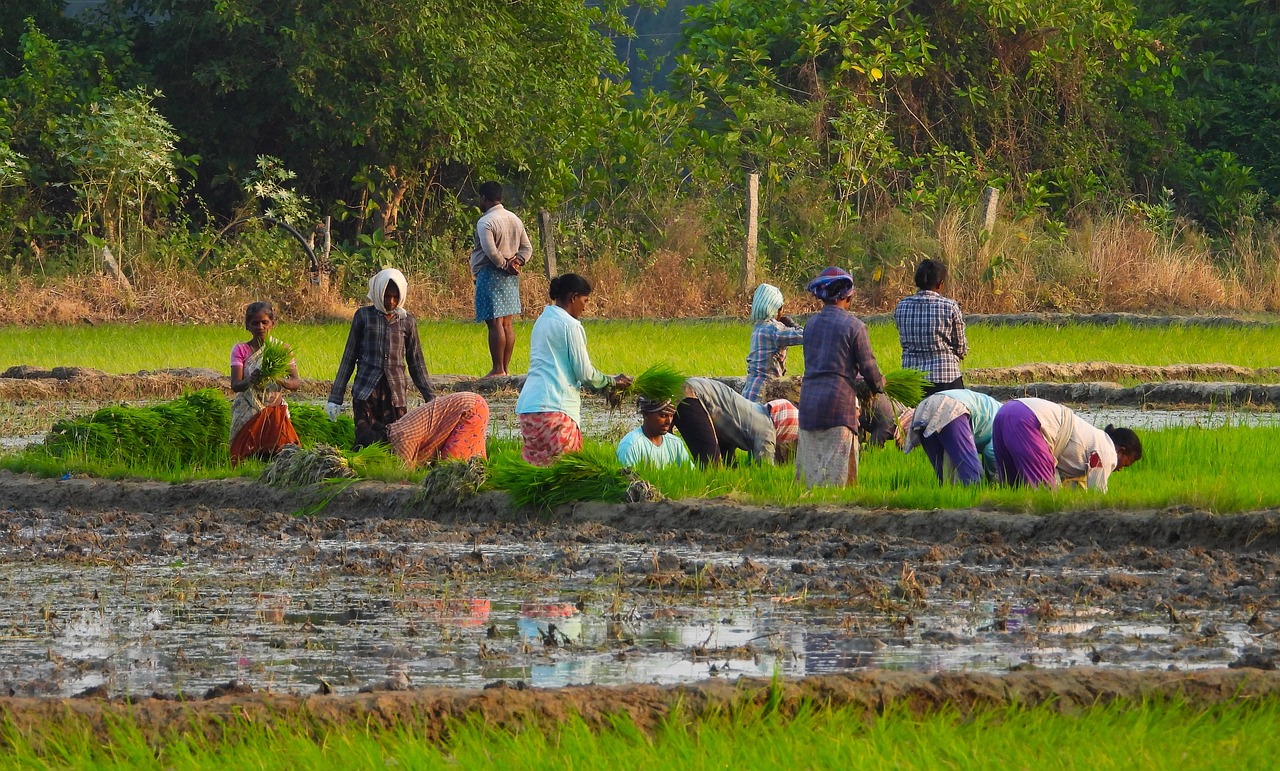
The latter national legislation—the Mahatma Gandhi National Rural Employment Guarantee Act of 2005, now the largest employment guarantee initiative in the world—drew directly from the Maharashtra model. Its defining strength lies not only in providing employment but also in creating durable rural assets through the management of both natural and non-natural resources.
Original legislative debates, resolutions and policy discussions related to the EGS are today preserved in a dedicated department named after V. S. Page at the Maharashtra Legislature Secretariat, underscoring the democratic and historical depth of the idea.
The replacement of MGNREGA with VB-G RAM G has since triggered political responses across states. In West Bengal, the state-specific scheme earlier known as “Karmashree” has been renamed “Mahatma Shree,” following the Union government’s decision to remove Mahatma Gandhi’s name from the national programme.
Under the new legislation, the statutory guarantee of wage employment has been increased from 100 days to 125 days per rural household per financial year. The funding structure has shifted from a central sector scheme to a centrally sponsored model, with a 60:40 cost-sharing arrangement between the Centre and most states, unlike MGNREGA, under which the Centre bore the full wage cost.
The scope of permissible works has been narrowed to four priority areas—water security, core rural infrastructure, livelihood-related assets and climate resilience—with planning integrated into a national infrastructure framework. The Act also allows states to notify a “blackout period” of up to 60 days during peak sowing and harvesting seasons, during which no work will be undertaken, to ensure labour availability for agriculture.
Implementation under VB-G RAM G emphasises digital oversight, including GPS-based monitoring and AI-assisted systems aimed at addressing issues of corruption and fund misuse. The transition has generated protests and political debate in several states, with opposition parties questioning the removal of Mahatma Gandhi’s name and expressing concern over a perceived shift from a demand-driven right-to-work framework to a more centrally planned model.
Amid this debate, there is a growing public expectation that the Union government should provide 100 per cent financial support for employment guarantees across the country. Such a move would align with the original vision articulated in Maharashtra and reaffirm the principle that the right to work is intrinsic to human dignity.
In the context of accelerating climate stress, the Maharashtra experience continues to offer a global lesson: that a single ethical idea, rooted in lived reality, can shape enduring public policy and influence debates far beyond its place of origin.
*Prakash Patil is a watershed management expert.