The U.S.–Paraguay Agreement and a New Security Map
Why the U.S.–Paraguay Forces Deal Matters for the Hemisphere
Washington: The United States and Paraguay signed a Status of Forces Agreement (SOFA) here on December 15, 2025, formalising a framework for deeper security cooperation at a moment when U.S. policy toward Latin America is being reshaped by concern over the growing reach of transnational criminal and terrorist networks. Signed by U.S. Secretary of State Marco Rubio and Paraguayan Foreign Minister Rubén Ramírez Lezcano at the State Department, the agreement reflects a shared assessment that non-state actors operating across borders now represent the most significant threat to stability in the Western Hemisphere.
Rubio described the agreement as a historic step in bilateral relations and framed it within Washington’s evolving security doctrine. The primary danger facing the hemisphere, he said, lies not in conventional military rivalry but in criminal and financial networks that operate with the structure, firepower and territorial influence of terrorist organisations. These groups, according to U.S. assessments, undermine governance and economic stability and, in some cases, challenge the state’s ability to control its own territory. The agreement with Paraguay, Rubio stressed, is designed to address this threat while respecting national sovereignty.
The SOFA provides a legal and operational basis for closer coordination between the two countries’ security forces, enabling joint training, expedited transfers of equipment, real-time intelligence sharing and the ability to operate together when contingencies arise. It also creates a framework for rapid cooperation in humanitarian emergencies, including natural disasters, either within Paraguay or elsewhere in the region, potentially using Paraguayan territory as a staging point for joint responses carried out with full Paraguayan participation.
Although the instrument itself is familiar in U.S. foreign policy, the context in which it has been deployed underscores an important shift in Washington’s regional approach. For much of the past two decades, U.S. security engagement in Latin America was concentrated in specific theatres, most notably Colombia and parts of Central America, where large-scale assistance programmes were designed to confront insurgency, drug production and state fragility. Those initiatives relied heavily on sustained funding, long-term advisory missions and, in Colombia’s case, an extensive security partnership that reshaped the country’s military and internal security institutions.
The Paraguay agreement differs in both scale and intent. Unlike Plan Colombia, which was built around counterinsurgency and coca eradication in a country experiencing an internal armed conflict, the SOFA with Paraguay reflects a preventive logic. It is aimed at strengthening coordination and readiness before criminal networks can significantly erode state authority, rather than reversing a collapse already underway. The emphasis on interoperability, intelligence and rapid response suggests an effort to address emerging risks at an earlier stage, using lighter and more flexible tools.
The contrast with U.S. security ties to Brazil is also instructive. Brazil, as South America’s largest country and economy, has long maintained a cautious and selective approach to military cooperation with the United States, prioritising strategic autonomy and limiting the scope of formal agreements. While the two countries cooperate on issues such as maritime security, cyber threats and defence technology, their relationship has not been structured around deep operational integration or standing arrangements for joint deployments. In this context, Paraguay offers Washington a partner that is geographically central, politically receptive and institutionally aligned, without the sensitivities that accompany engagement with a regional power intent on preserving strategic distance.
The agreement also complements, rather than replicates, U.S. engagement in Central America, where security cooperation has often been tied to migration management, border control and the stabilisation of weak institutions. In countries such as Honduras, Guatemala and El Salvador, U.S. assistance has focused on law enforcement reform, anti-gang initiatives and efforts to curb the violence that drives displacement. These partnerships have frequently been constrained by domestic political volatility, governance challenges and shifting priorities among local leaders. By contrast, the Paraguay SOFA is framed as a long-term, institutional arrangement with a government that has positioned itself as a consistent and willing partner.
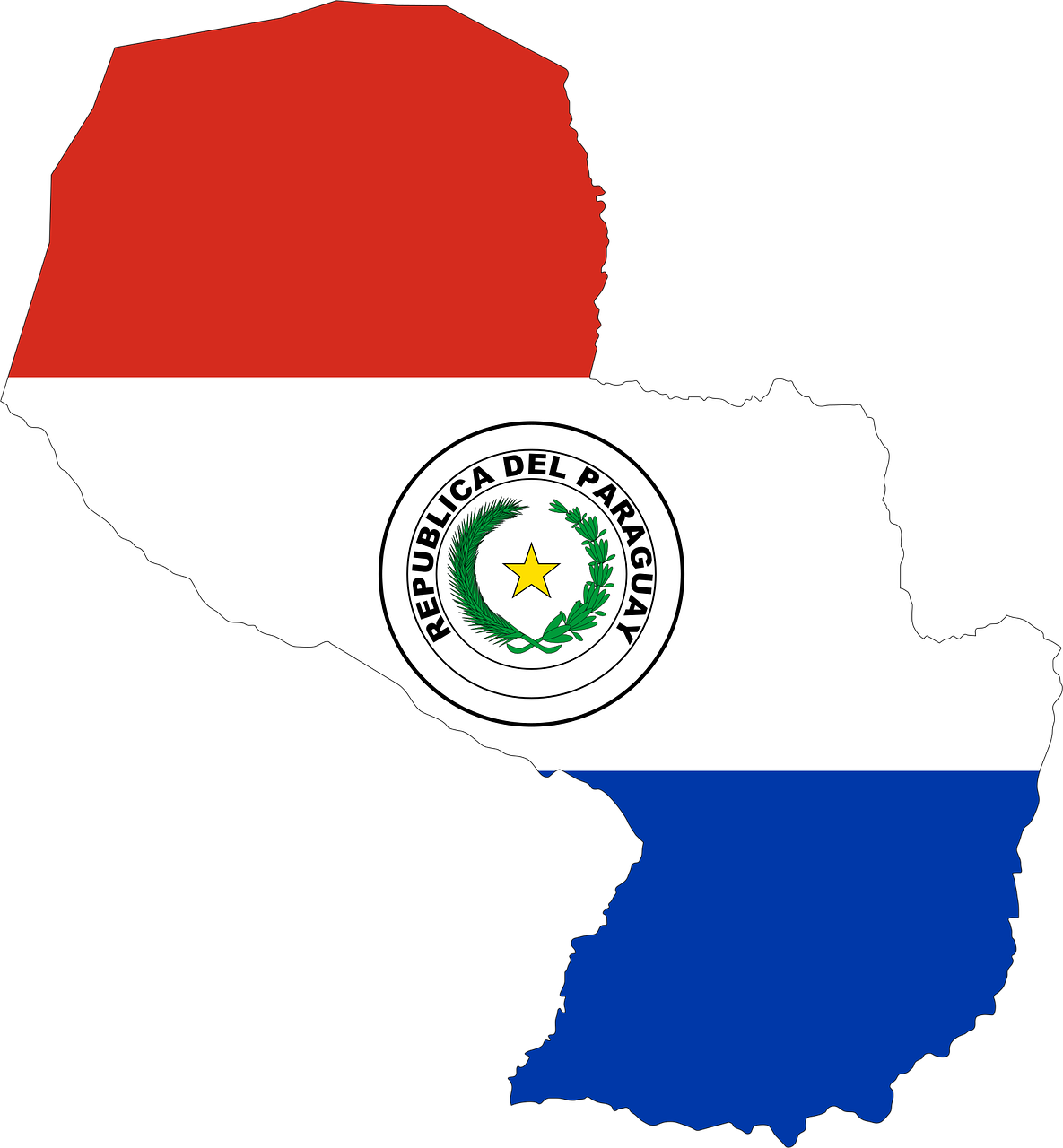
Paraguay’s strategic value is amplified by its geography. Landlocked at the heart of South America, bordering Brazil, Argentina and Bolivia, and adjacent to the Tri-Border Area, Paraguay sits astride key transit routes used by trafficking networks moving narcotics, weapons and illicit finance across the continent. Its territory offers logistical access without the visibility or political friction associated with larger states. From a U.S. perspective, this makes Paraguay a useful anchor for regional coordination, intelligence sharing and humanitarian response, particularly in scenarios that require rapid mobilisation rather than permanent presence.
Both governments have been careful to emphasise sovereignty. The agreement does not provide for permanent U.S. bases or unilateral operations, reflecting lessons drawn from past interventions and from the political resistance such arrangements can provoke across the region. Instead, it aligns with a broader U.S. preference for what might be described as “networked security”—a web of legal agreements, trusted partnerships and interoperable forces that allow for swift cooperation without the optics of occupation or coercion.
Economic considerations further distinguish the agreement. Rubio’s remarks linked security cooperation to expanded trade and investment, highlighting Paraguay’s development potential and the role of responsible U.S. business engagement in reinforcing stability. This reflects a growing consensus in Washington that security partnerships in Latin America are more durable when coupled with economic opportunities that reduce reliance on illicit economies and strengthen domestic institutions.
For Paraguay, Foreign Minister Lezcano framed the agreement as an extension of more than 160 years of diplomatic relations and a reaffirmation of commitments to democracy, human rights and the rule of law. He argued that enhanced cooperation would help build the capacity of Paraguay’s security forces and improve coordination with the United States, contributing to safer conditions and better prospects for Paraguayan citizens.
Taken together, the U.S.–Paraguay SOFA illustrates a recalibration of U.S. strategy in Latin America. Rather than replicating large-scale security assistance models of the past, Washington appears to be investing in selective, legally grounded partnerships with countries that share its threat assessment and are willing to operationalise cooperation. In this sense, the agreement is less about Paraguay alone than about building a flexible regional architecture capable of responding to transnational challenges that do not respect borders.
Whether this approach proves effective will depend on sustained political commitment and practical implementation. Status of Forces Agreements create possibilities rather than outcomes. If used actively, the U.S.–Paraguay pact could complement existing partnerships with Colombia, Central America and other willing states, forming a layered security network across the hemisphere. In an era defined less by conventional warfare than by criminalised power and transnational disruption, the agreement points to how the United States is seeking to adapt its role in Latin America—incrementally, pragmatically and with an eye toward partnership rather than dominance.
– global bihari bureau