FAO Sees Record Harvests Amid Weather, Trade Uncertainty
Rome: Global food commodity production is heading for broad-based growth this year, supported by strong consumption trends and a recovery in inventories, according to the latest Food Outlook released today by the Food and Agriculture Organization of the United Nations (FAO). The biannual report, however, cautions that extreme weather patterns and an uncertain trade environment continue to cast shadows over an otherwise improving global agrifood landscape.
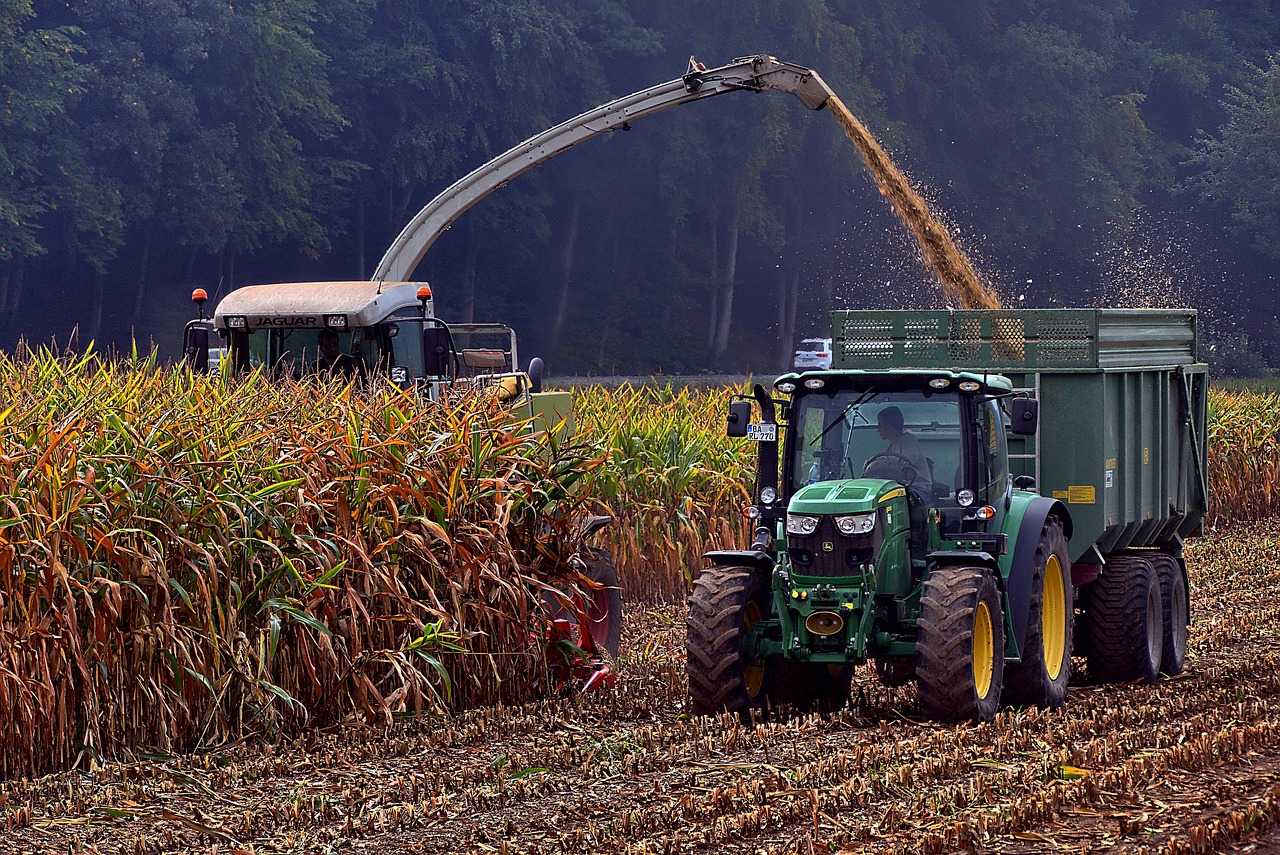
Across major staples, the numbers speak to abundance. Wheat and coarse grains are heading toward new global records, while rice cultivation in Asia and across Latin America and the Caribbean is surging strongly enough to set fresh highs. These swelling harvests are already reflected in stocks-to-use ratios, which are projected to rise for the world’s three essential staples. Against this backdrop, FAO Chief Economist Maximo Torero described the rebound as “a positive turning point for market stability,” while warning that the underlying risks — extreme weather events and fragile trade ties — retain the power to “quickly reshape global supply and access.”
The world’s breadbaskets are not only producing more but also exporting more. Wheat, maize, and rice markets are marked by especially abundant exportable supplies, nudging international prices downward. Utilisation is growing as well, with rice consumption rising most sharply, driven in large part by faster demand growth in Low-Income Food-Deficit Countries (LIFDCs), where dietary needs and population growth converge most intensely.
The deeper commodity analyses in the report trace the currents shifting beneath these trends. Wheat inventories are expected to expand by 3.6 per cent over the coming year, reaching their highest level ever by the end of the 2026 season. Rice stocks too are set to climb — by 2.2 per cent — to another record high. In the animal protein sector, world meat production is poised to grow by 1.4 per cent, led overwhelmingly by poultry, while bovine meat output is likely to contract due to shrinking cattle herds in Brazil and the United States of America.
Sugar production is riding a wave of bumper harvests in Brazil and strong seasons in India and Thailand, pushing global stocks upward at a pace that could outstrip consumption growth.
Vegetable oils tell the opposite story: with reduced soybean production linked to smaller planting areas in Argentina, India, Ukraine, and the United States of America, global consumption is expected to outpace output. Fisheries and aquaculture production, meanwhile, is forecast to rise by 1.7 per cent. Per capita consumption of aquaculture products is projected to increase by 2.5 per cent, offsetting a continued decline in consumption from capture fisheries.
The Food Outlook also turns its lens to olive oil, a market that has recently felt the sting of droughts across Mediterranean landscapes. The new assessment predicts a recovery, with Spain and Greece already seeing wholesale prices fall to less than half of the levels recorded in early 2024, even as Italy continues to experience relatively higher prices. Tunisia, buoyed by well-timed rainfall throughout the growing season, is on track for what could be a record-breaking output exceeding 400,000 tonnes — a surge strong enough to potentially make the country the world’s second-largest olive oil producer in 2025/26. Lower global prices are helping to revive consumption, and international trade in olive oil is expected to reach historic highs, though tariffs in the United States of America may keep total volumes from climbing even further.
Parallel to these trends, fertiliser markets have staged a notable rebound. FAO finds that global fertiliser utilisation increased in 2024/25, following earlier declines caused by constrained availability and affordability. By September 2025, the average price of a stylised fertiliser basket had dropped to USD 489 per tonne — a steep 40 per cent decline from the peak of April 2022, though still higher than the levels observed in 2024. Nitrogen fertiliser supply is projected to remain steady in the short term, supported significantly by China’s return to the global market with higher export quotas approved for 2025 and 2026.
The report’s final set of insights turns to the global food import bill, an essential temperature check on how international markets shape the costs borne by importing nations. For 2025, FAO estimates the bill will rise nearly 8 per cent to reach USD 2.22 trillion. Much of this increase is driven by an average 34.5 per cent jump in prices for higher-value products such as coffee and cocoa — commodities purchased predominantly by high-income countries. Least-Developed Countries, however, face a different pressure point: their expenditure on animal and vegetable oils is projected to rise by 58 per cent compared to 2024, the effect of both higher import volumes and steeper prices, especially for palm oil, sharpening concerns about affordability. In contrast, declining global prices for cereals and sugar are expected to substantially reduce the aggregate import bills for these commodities. For Low-Income Countries as a group, the combined food import bill is likely to decline slightly. Sub-Saharan Africa’s is expected to rise modestly, reflecting a mix of shifting prices, consumption needs, and import dynamics.
Through its layered assessments, the Food Outlook conveys the duality of this year’s global food landscape: a world producing more food than ever, yet still navigating the fragility of climate, trade, and unequal access. Stability is within reach, the report suggests, but only if resilience becomes the scaffolding on which the agrifood system is rebuilt.
– global bihari bureau