Experts Tackle Rising Poultry Virus Threat
Foz do Iguaçu, Brazil: In the first global forum uniting public and private sectors, 500 experts met here today to combat the growing threat of avian influenza. This assembly underscores a shift toward inclusive strategies in confronting a virus that has infected birds and spilt over to dozens of other animals since its surge beginning in 2020.
The virus, part of the Type A influenza group notorious for quick genetic shifts, mainly strikes poultry but has now documented cases in 83 types of mammals, from wild species to dairy herds, fueling worries about disruptions to international commerce, ecological balance and access to affordable protein sources.
Participants, drawn from regions including Asia, Africa, Europe, and the Americas—many affiliated with the Food and Agriculture Organization of the United Nations (FAO) and World Organisation for Animal Health (WOAH) OFFLU Network of Expertise on Animal Influenza—aimed to map out unified responses during the three-day session titled “Tackling high pathogenicity avian influenza together – Global science, policy and private sector dialogue.” Hosted jointly by the FAO and Brazil’s Ministry of Agriculture and Livestock, the meeting highlighted the private sector’s frontline role, allowing for direct exchanges on operational hurdles, existing countermeasures, and practical innovations in animal care.
Beth Bechdol, deputy director-general of the FAO, described the situation as a persistent worldwide issue rather than isolated incidents, stressing that isolated national or sectoral initiatives fall short. “No single country or sector can tackle this threat in isolation—and failure is not an option,” she stated. “Practical, science-based collaboration like this is essential to protect our agrifood systems, livelihoods, and public health.” Brazil’s Agriculture and Livestock Minister Carlos Favaro echoed the call for openness across borders and industries, noting that only through such candour can confidence grow and food supplies remain stable globally. He pointed to a recent detection of Highly Pathogenic Avian Influenza (HPAI) on a commercial operation in the country this year, where authorities swiftly contained it, showcasing the robustness of local protocols.
The discussions build upon a newly introduced international framework from the FAO and WOAH, designed to aid countries and regions in crafting tailored plans to curb cross-border spread and lower chances of wider outbreaks. Key areas under review include tailored tactics for curbing HPAI in resource-limited settings and small-scale farming operations, the rollout of alert mechanisms, immunisation programs where suitable, and fortified hygiene protocols in facilities. Emphasis also falls on integrating efforts across human, animal, and environmental domains under the One Health framework, alongside exchanging cutting-edge tools for detecting the virus, monitoring its movement, and managing incidents on the ground.
FAO’s chief veterinarian and head of its Animal Production and Health Division, Thanawat Tiensin, outlined a multifaceted path forward centred on better tracking, secure practices, and targeted vaccines paired with prompt interventions. He also advocated for evolving poultry farming methods to build long-term resilience against such illnesses, urging alliances with businesses to sustain these gains over time. Ricardo Santin, who leads both the Brazilian Association of Animal Protein and the International Poultry Council, framed the issue as one demanding cross-national teamwork, with ripple effects on market dynamics, price stability, and overall nourishment availability. He called for evidence-driven guidance to update traditional views and approaches in handling the virus.
This event’s distinctive feature lies in its broad inclusion of industry players in a high-level international setting, fostering a platform for mutual learning that previous forums on the topic had overlooked, and positioning it as a potential blueprint for future joint endeavours against evolving zoonotic risks.
– global bihari bureau
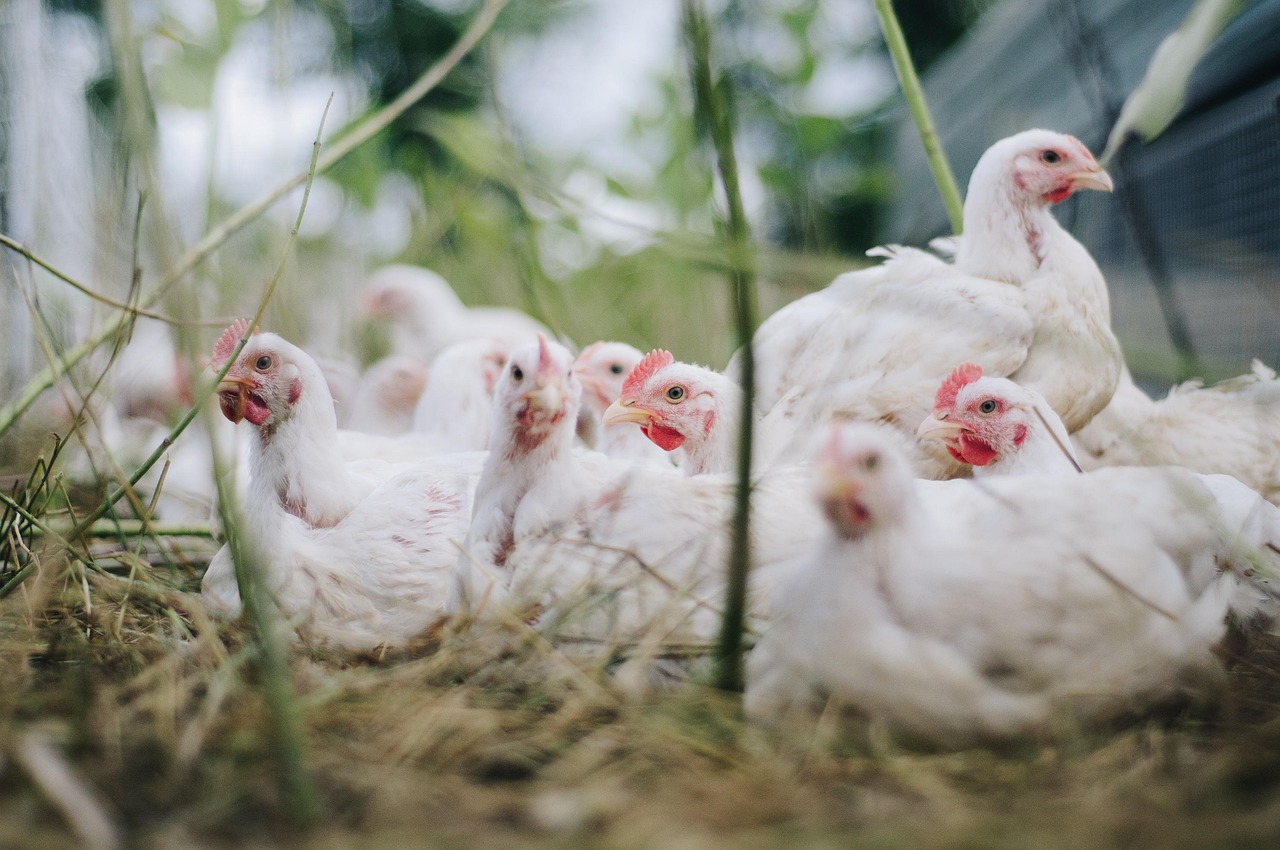
Image by Bohdan Chreptak from Pixabay