Rome/Port Sudan: The Food and Agriculture Organisation of the United Nations (FAO) today launched an emergency seed distribution campaign targeting 1.5 million farming households, roughly 7.5 million people, across 17 of Sudan’s 18 states.
This “vital” initiative aims to bolster local food production and restore livelihoods amid the country’s escalating conflict and worsening hunger crisis.
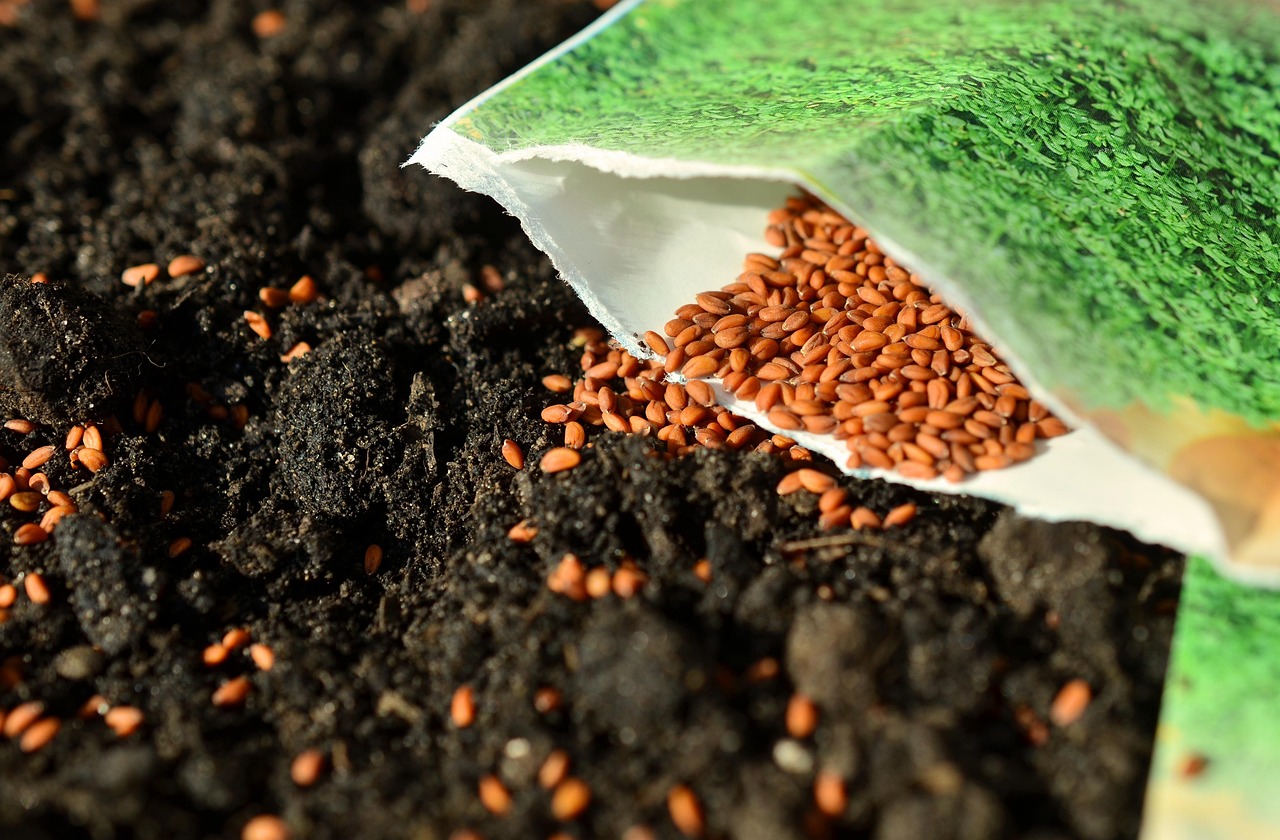
The campaign commenced in West Darfur, where over 750,000 people—more than half the region’s population—are grappling with crisis-level hunger or worse, driven by relentless conflict and food insecurity. FAO is distributing essential sorghum, millet, chickpea, and pigeon pea seeds to enable families to plant for the 2025 main cropping season.
Supported by the United Nations’ Central Emergency Response Fund (CERF), Switzerland, Qatar’s Fund for Development through Education Above All, and the European Union, this effort complements FAO’s broader emergency response across agriculture and livestock sectors. “Planting seeds means growing hope for food. This is not just a hunger crisis—it is a race against time to save lives,” said QU Dongyu, FAO Director-General. “We must act swiftly and decisively so those in greatest need can quickly produce the food they need to survive.”
Sudan’s humanitarian crisis has spiralled to catastrophic levels. According to the December 2024 Integrated Food Security Phase Classification (IPC) analysis, 24.6 million people—half the population—are facing high levels of acute food insecurity, classified as IPC Phase 3 or above. Famine, designated as IPC Phase 5, has been declared in five areas, affecting 637,000 people, with projections warning it could spread to five additional regions. The latest Hunger Hotspots report ranks Sudan among the top five global hotspots of highest concern, with communities either enduring famine, at risk of famine, or facing catastrophic levels of acute food insecurity. These conditions are driven by escalating violence, persistent economic shocks, and natural hazards, further exacerbated by increasing access constraints and significant funding shortfalls.
Since June 2025, FAO and its partners have distributed nearly 1,000 metric tonnes of sorghum, millet, and okra seeds across Central, West, East, and South Darfur States. Additionally, FAO is procuring over 3,000 metric tonnes of crop seeds to support nearly 330,000 households, benefiting more than 1.6 million people. Beyond crop support, FAO is intensifying its veterinary response, planning to vaccinate 8 million animals owned by 3 million people across Sudan—a critical lifeline for rural communities where livestock are essential for food and income.
Despite the urgency, FAO’s response remains critically underfunded. The organization requires more than $156.7 million to provide life-saving support to over 14 million people in 2025, yet only $4.1 million has been secured, leaving a daunting $152.6 million funding gap. FAO’s seed distribution campaign stands as one of the most cost-effective and impactful humanitarian responses to Sudan’s hunger crisis, empowering people to not only survive but sustain themselves with dignity by producing their own food and rebuilding livelihoods. However, without urgent, scaled-up humanitarian action—including emergency agricultural support and unimpeded access to conflict-affected communities—the crisis will only deepen, threatening millions more with starvation and loss.
– global bihari bureau