FAO Guidance on Risks from Climate Tools
Environmental Inhibitors Under Food Safety Lens
Rome: The potential food safety risks posed by environmental inhibitors—chemicals used to curb methane emissions from livestock and reduce nitrogen losses from soils—have emerged as a key concern in global agrifood systems. The Food and Agriculture Organization of the United Nations (FAO) today highlighted this issue through the release of new guidance material, underscoring the need for careful risk assessment as these tools gain traction in climate mitigation efforts.
The world simultaneously grapples with the need to produce more food and the need to curb greenhouse gas emissions from the agricultural sector.
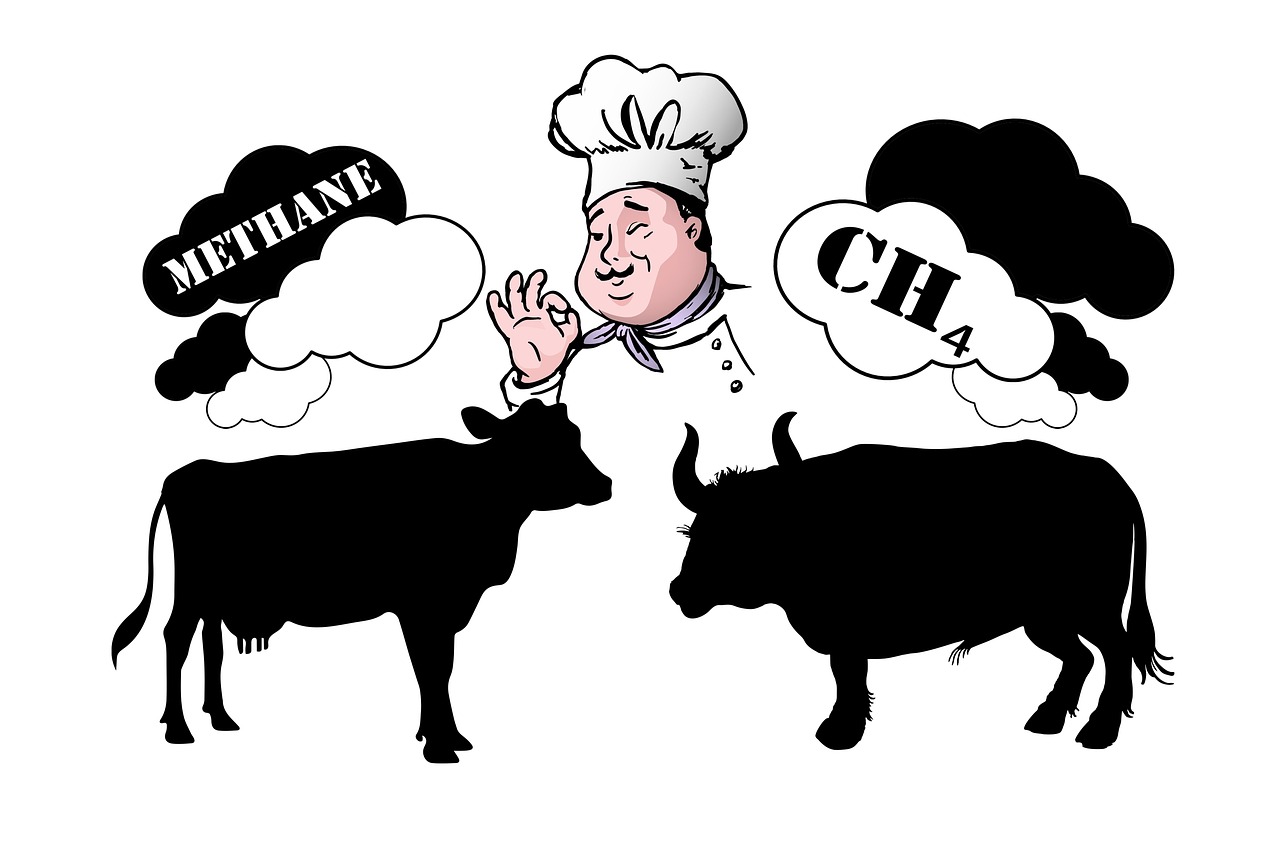
The FAO report, Environmental Inhibitors in Agrifood Systems – Considerations for Food Safety Risk Assessment, along with an accompanying technical brief, focuses on evaluating residues that could transfer into the food chain from two main categories of environmental inhibitors (EIs). Methanogenesis inhibitors, such as 3-nitrooxypropanol (3-NOP), are administered to ruminants like cows to lower enteric methane (CH₄) emissions. They work in several ways; many of them (for example, 3-nitrooxypropanol [3-NOP]) block the key enzyme that catalyses the final step of CH₄ production by microorganisms in the forestomach of ruminant animals. Specifically, 3-NOP targets and inactivates the nickel-containing enzyme methyl-coenzyme M reductase (MCR) in rumen methanogenic archaea, temporarily oxidising the nickel ion in the enzyme’s active site and halting the methane-forming reaction without broadly disrupting other rumen microbes.
Nitrogen inhibitors, exemplified by dicyandiamide (DCD), are applied to soils to enhance nitrogen use efficiency (NUE) by limiting losses through volatilisation, leaching, runoff, and other pathways, while also curbing nitrous oxide (N₂O) emissions. Potential entry into the food chain could occur through uptake into plant materials consumed by humans or animals, or via direct ingestion by livestock grazing on treated soils.
The guidance stresses that food safety evaluation must begin with determining the presence or absence of residues in foods, regardless of whether these substances are classified as veterinary drugs, feed additives, or soil amendments in different jurisdictions. Fragmented regulatory frameworks—varying data requirements and evaluation schemes across regions—complicate consistent assessment. FAO promotes harmonisation, drawing on expertise from the Joint FAO/WHO Expert Committee on Food Additives and the Joint FAO/WHO Meeting on Pesticide Residues. These bodies provide scientific advice that forms the foundation for international food standards set by the Codex Alimentarius Commission. The Codex Alimentarius, often called the “Food Code,” is a collection of internationally adopted standards, guidelines, and codes of practice developed jointly by FAO and the World Health Organization (WHO) since 1963 to protect consumer health and ensure fair practices in food trade. These voluntary standards cover areas such as food hygiene, additives, contaminants and toxins, residues of pesticides and veterinary drugs (including maximum residue limits), labeling, methods of analysis, and import/export certification; they serve as the global benchmark under the WTO’s Sanitary and Phytosanitary (SPS) Agreement, helping to harmonize regulations, facilitate trade, and resolve disputes while allowing countries to adopt stricter measures if scientifically justified.
Corinna Hawkes, Director of FAO’s Agrifood Systems and Food Safety Division (ESF), stated: “Applying a food safety lens is essential when introducing new practices and technologies in agrifood systems. By considering food safety at the outset, we can ensure that efforts to reduce environmental impacts are effective, trusted, and well understood.”
The initiative aligns with FAO’s Food Safety Foresight Programme, which monitors emerging issues in rapidly changing agrifood systems. Agriculture remains a major source of greenhouse gases, contributing an estimated 58 per cent of global CH₄ emissions and 52 per cent of N₂O emissions, according to the Intergovernmental Panel on Climate Change. FAO projections indicate that, absent mitigation, agrifood system emissions could rise more than 30 per cent from 2010 levels by 2050.
To discuss these food safety considerations and present the report’s findings, FAO held a webinar today. This development reflects broader international efforts to integrate climate-smart agriculture with robust safeguards for human health and trade, as environmental inhibitors offer one pathway to reconcile higher food production with lower emissions.
– global bihari bureau