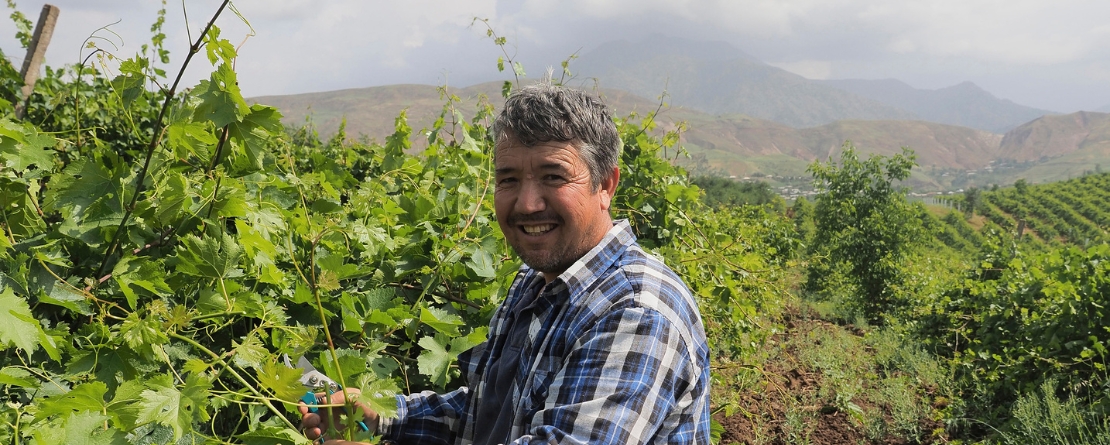
Almosi Valley, Tajikistan. ©FAO/Nozim Kalandarov
Tajikistan, Korea, Portugal Win FAO Nod
Rome: Tajikistan carved a niche in global agriculture as its Almosi Valley becomes Central Asia’s first site to join the Food and Agriculture Organization of the United Nations’ (FAO) Globally Important Agricultural Heritage Systems (GIAHS) list, announced today.
South Korea’s Uljin Pinetree Agroforestry and Jukbangryeom Fishery Systems, along with Portugal’s Montado Agrosilvopastoral System in the Serpa Hills, also earned the prestigious designation during the GIAHS Scientific Advisory Group meeting in Rome on 7-8 July 2025.
These additions bring the FAO’s global network to 99 systems across 29 countries, with the tally set to cross 100 by the FAO’s 80th anniversary on 31 October.
“These systems showcase how traditional practices sustain livelihoods while tackling climate change and biodiversity loss,” said Kaveh Zahedi, Director of FAO’s Office of Climate Change, Biodiversity, and Environment. He emphasised their role in transforming agrifood systems, a priority that aligns with global efforts to promote sustainable farming, including India’s focus on eco-friendly agriculture. The designations highlight community-driven methods that balance productivity with environmental care.
In Tajikistan’s Almosi Valley, an integrated agropastoral system thrives in harsh mountain conditions through seasonal sheep transhumance and cultivation of grapes, cereals, orchards, vegetables, and dryland crops. The valley’s Pink Toifi grape, a cultural mainstay, is processed into raisins, syrup (shirini), juice, and wine. Farmers use ancestral techniques like contour planting, organic fertilisation, and ancient irrigation to address soil erosion, water scarcity, and climate variability. Guided by the Muchal calendar’s environmental cues, the system supports diverse ecosystems, including landraces of wheat, barley, and the local Hisori sheep. Community management through mahalla (neighbourhood) committees, family farms, cooperatives, and collective farms ensures knowledge transmission, shared resource use, and cultural continuity.
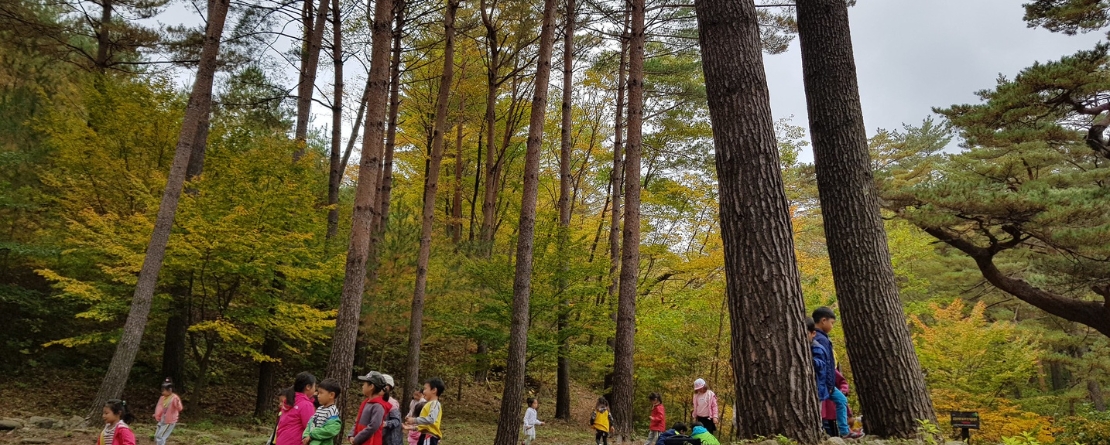
South Korea’s Uljin Pinetree Agroforestry System, the country’s ninth GIAHS site, integrates red pine forests (Pinus densiflora) with beekeeping, mushroom foraging, dryland farming, and traditional salt production in mountainous terrain and coastal climates. Supporting over 300 species, including wild edible plants, fungi, and pollinators, it prevents erosion, regulates microclimates, and stabilises slopes. Traditional practices like resin tapping, fire prevention through undergrowth clearing, and selective thinning enhance forest health, balancing ecology with economic benefits.

In South Korea’s Jijok Straits, the Jukbangryeom Fishery System, practised for over 500 years, uses bamboo fish weirs to harvest anchovies without fuel, bycatch, or habitat damage. This passive trap system, with fixed structures placed perpendicular to tidal flow to guide fish into holding chambers, reflects traditional ecological knowledge and a semi-agricultural coastal lifestyle. It supports small-scale fishers, local markets, anchovy drying industries, and women-led processing cooperatives, coexisting with marine life without disrupting migration routes, breeding grounds, or seabed ecosystems.
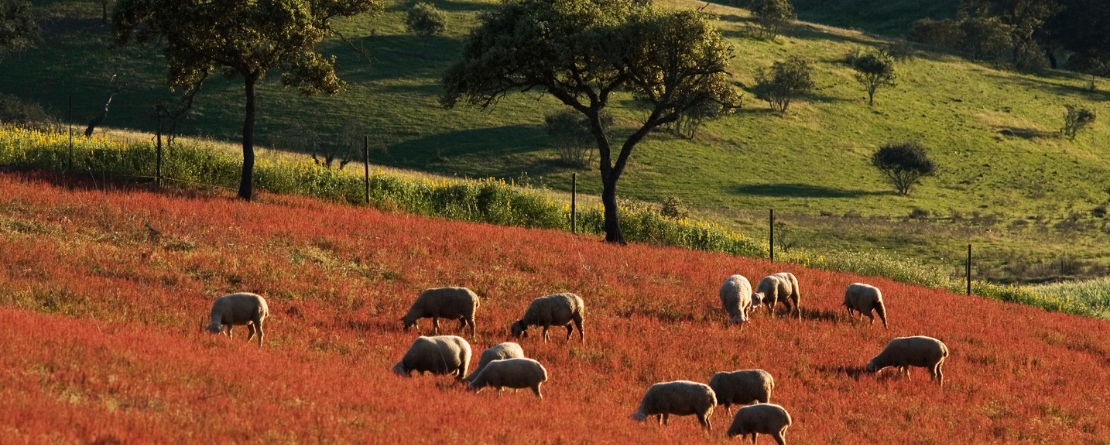
Portugal’s Montado Agrosilvopastoral System in the Serpa Hills, the country’s second GIAHS site, is one of Europe’s oldest multifunctional landscapes, blending cork and holm oak woodlands with low-intensity grazing, dryland farming, and forest stewardship. Hosting over 120 bird species, forest mushrooms, and threatened species like the Iberian lynx and black vulture, it supports biodiversity and rural economies. Tree cover reduces erosion, enhances water retention, and stores carbon in soils and biomass. The system integrates cereals, legumes, pastures, beekeeping, and extensive sheep and goat grazing, generating income from cork, meat, honey, herbs, mushrooms, and nature tourism. Recognised by the European Union as a High Nature Value farming system, it exemplifies Mediterranean climate resilience and land restoration.
With growing global interest, the FAO will celebrate these sites at a Certificate Award Ceremony on 31 October. These systems highlight traditional wisdom as a tool for sustainable agriculture, offering insights for nations like India striving for climate-resilient food systems.
– global bihari bureau