Ebola’s Return Stokes Congo Fears
Kinshasa: A new Ebola virus disease (EVD) outbreak in the Democratic Republic of the Congo (DRC), the first in nearly three years, has triggered a high public health risk alert at the national level, with moderate regional and low global concerns, according to the World Health Organization (WHO). Centred in the Bulape Health Zone of Kasai Province, this outbreak—confirmed on September 4, 2025—has already infected 28 people, with 15 deaths, including four healthcare workers, yielding a 54% case fatality ratio. As the DRC grapples with this zoonotic spillover, unlinked to past outbreaks, the resurgence tests a nation already strained by mpox, cholera, measles, and a prolonged economic and political crisis.
The outbreak’s epicentre, near Tshikapa city and 100-200 kilometres from the Angolan border, is a rural, hard-to-reach area, but frequent population movements to urban hubs like Tshikapa raise fears of wider spread. With transmission chains and the outbreak’s source still under investigation, undetected community transmission remains a risk, amplifying the national threat. WHO’s risk assessment underscores the urgency in a region with porous borders, where the DRC’s limited resources face immense pressure. The outbreak, the 16th since 1976, follows a nearly three-year lull since the last confirmed case in Beni city in August 2022.
The alarm sounded on September 1, when the DRC’s Ministry of Health alerted WHO to suspected cases in Bulape. The index case, a 34-week pregnant woman, was admitted to Bulape General Reference Hospital on August 20 with fever, bloody diarrhoea, haemorrhage, vomiting, and extreme weakness. She died of multiple organ failure on August 25, followed by two healthcare workers who treated her. As of September 4, 28 suspected cases span Bulape, Bulape Com, Dikolo, and Mweka health zones, with 80% affecting those aged 15 or older. Five blood samples and one nasopharyngeal swab, tested at Kinshasa’s National Public Health Laboratory (INRB) on September 3, confirmed Ebola virus (EBOV) via GeneXpert and PCR assays. Whole-genome sequencing indicates a new zoonotic event, distinct from the 2007 Luebo or 2008/2009 Mweka outbreaks.
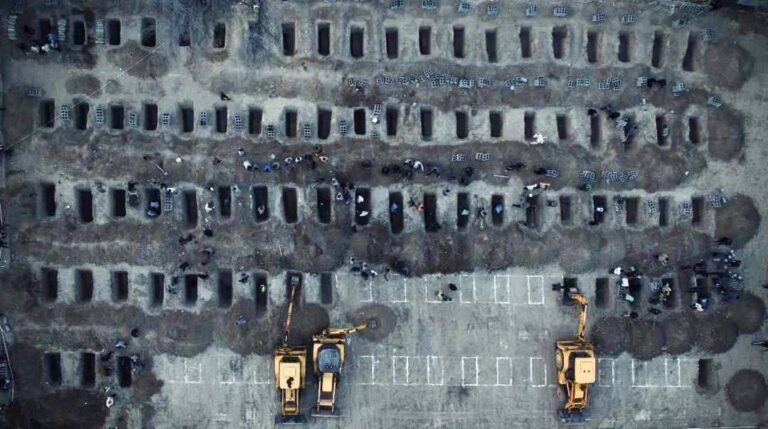
The DRC’s response, backed by WHO, is in full swing. A crisis committee operates at local and provincial levels, enforcing active surveillance, contact tracing, and case isolation. Infection Prevention and Control (IPC) measures, including intravenous treatment and personal protective equipment (PPE), are active, with 2,000 doses of the Ervebo vaccine poised for dispatch from Kinshasa for ring vaccination of contacts, frontline workers, and healthcare staff. WHO is supplying operational, financial, and technical support, alongside PPE and medical infrastructure. Safe burials and community engagement aim to curb transmission, while border surveillance strengthens to prevent regional spread.
Ebola, caused by the Orthoebolavirus Zairense species, spreads through contact with infected wildlife or human bodily fluids, with an incubation period of 2-21 days. Contagiousness begins at symptom onset, escalating with disease severity. Symptoms start with fever, fatigue, and abdominal pain, progressing to vomiting, diarrhoea, and sometimes bleeding or multi-organ failure. The average case fatality rate is 50%, though past outbreaks ranged from 25% to 90%. Survivors face long-term issues like joint pain or neurocognitive dysfunction, and the virus can persist in sites like the eyes or testes, risking secondary transmission. Treatments like Inmazeb® and Ebanga® monoclonal antibodies offer hope, but success hinges on early diagnosis, robust clinical care, and community trust.
With the DRC battling multiple outbreaks and systemic challenges, WHO advises against travel or trade restrictions but urges enhanced surveillance, especially at borders with Angola, and cross-country collaboration. For Kasai’s residents, Ebola’s return is a grim reminder of its enduring threat, demanding swift, collective action to avert a wider crisis.
– global bihari bureau