Kunar’s Women Face Survival Crisis Post-Quake
Kabul/Geneva: A shallow 6.0 magnitude earthquake that struck eastern Afghanistan’s Kunar province at midnight on August 31, 2025, has plunged women and girls into a desperate struggle for survival, warns UN Women. Killing at least 2,200 people and displacing an estimated 23,000, according to the United Nations Development Programme (UNDP), the disaster has disproportionately affected women, who make up over half the casualties and 60 per cent of those still missing. Without urgent international aid, their plight risks becoming a long-term catastrophe.
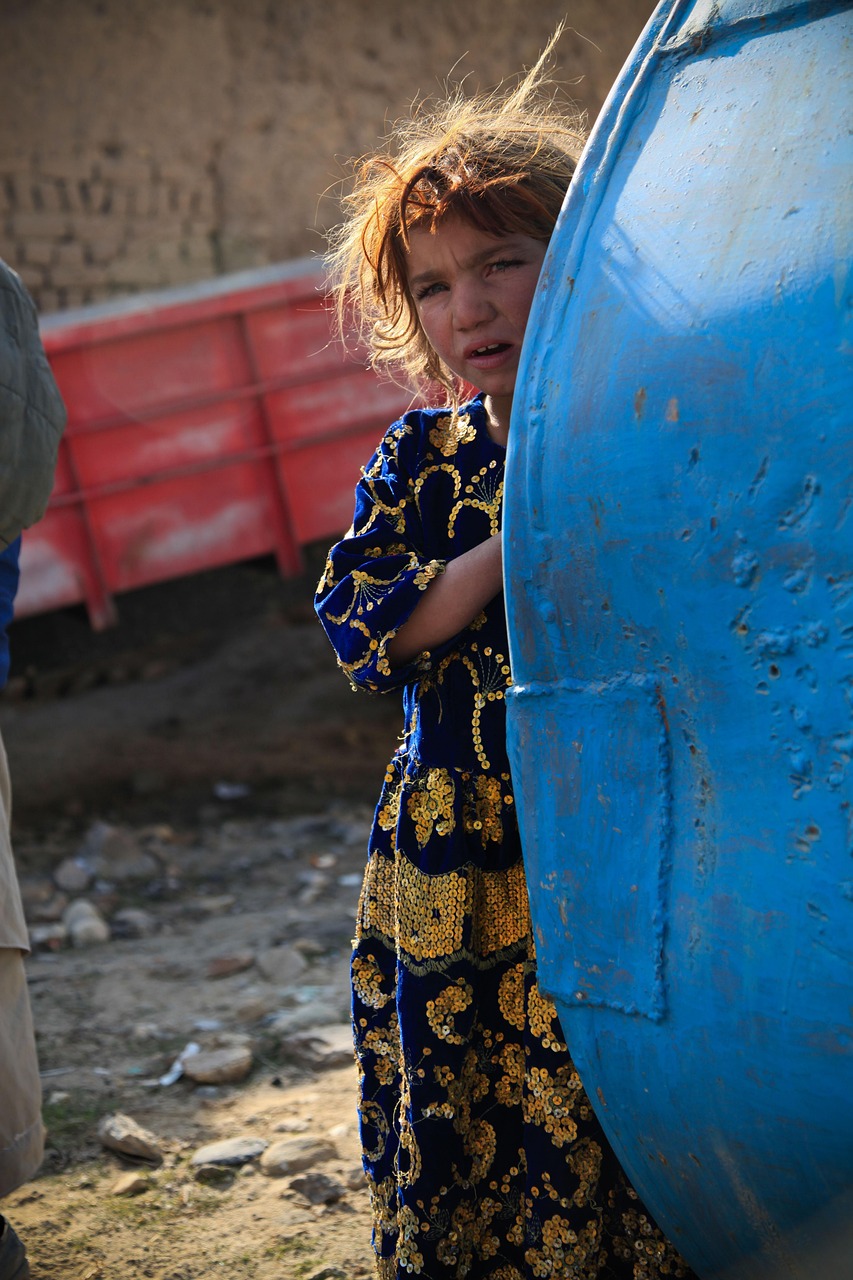
The earthquake obliterated homes on steep hillsides, erasing shelters, livelihoods, and sources of income. Susan Ferguson, UN Women Special Representative in Afghanistan, met survivors in Chawkay district, where they live in basic tents or out in the open, facing dropping temperatures. “These women had fled their village in the middle of the night when the earthquake struck, walking for hours to find temporary shelter,” she said. “They told me they’d lost their relatives, many still buried in the rubble. They lost their homes, they lost their livelihoods and their source of income. As one woman said to me, ‘Now we have nothing.’”
Rescuers, including women supported by UN Women, have battled extremely challenging terrain on foot to reach remote communities. One rescuer described “scrambling” along mountainsides, “dodging falling rocks every time there was an aftershock.” Another highlighted the absence of channels for women to voice their needs, as cultural norms restrict them from speaking to men. The de facto authority’s ban on Afghan women staff and contractors entering UN compounds in Kabul, effective since 5 September, has disrupted humanitarian efforts. “The ban is impacting us because our women staff are not allowed to come to the office to work,” Ferguson told journalists in Geneva. Yet, women humanitarians are still permitted to operate in earthquake-affected sites, a move she deemed essential and recognised by the de facto authority.
The destruction of basic infrastructure—649,000 tonnes of debris, equivalent to 40,500 truckloads, as revealed by satellite imagery analysed by the UN Development Programme—has heightened vulnerabilities. Women and girls, forced to walk further for water or sanitation, face increased risks of violence and landmines. “In everyday life, in this cultural context, these women already face an uphill battle every day to survive,” Ferguson said. “Now, in the disruption and chaos following the earthquake, these women will find it exponentially harder to feed their children and find a safe place to stay.”
Health care is a priority, but fraught with challenges. Cultural norms in some areas prevent men from treating women, and a shortage of female health workers hinders care delivery. “What I heard from health workers and from some women was that there was a particular area in the earthquake-affected zone where there were cultural norms that meant that women themselves didn’t want men to touch them and that men also didn’t want to touch women as they were trying to rescue them,” Ferguson explained. UN Women assessment teams have witnessed survivors living in tents or exposed, underscoring the urgent need for sturdier shelters as winter looms.
More than two weeks after the quake, the scale of destruction and displacement continues to threaten Kunar’s women and girls, whose pre-existing struggles have been magnified. Immediate global support is critical to prevent years of suffering.
– global bihari bureau