Photo source: @IDF|X
Two Years of Agony: Gaza Bleeds, Hope Fades
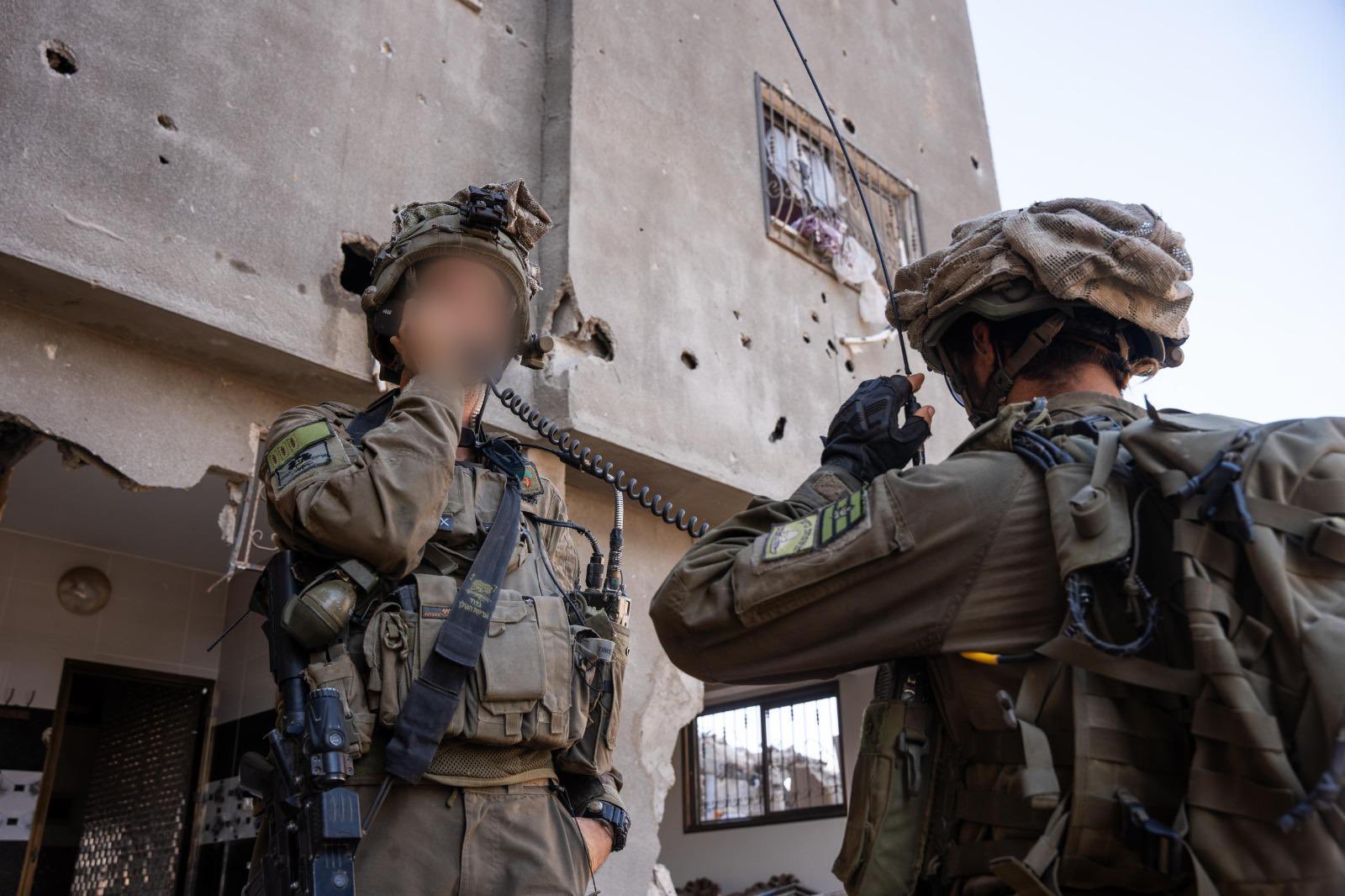
Jerusalem/Gaza/Geneva: In a stark reminder of a wound unhealed, the second anniversary of the October 7, 2023, Hamas-led assault on Israel dawned Tuesday with fresh violence piercing the morning calm. The Israel Defense Forces (IDF) intercepted four unmanned aerial vehicles—drones, in common parlance—launched from Yemen toward Israeli soil in the past hour, each neutralised without loss. Earlier, rockets arced from Gaza, striking near Netiv HaAsara, a border community scarred by the initial massacre, their distant booms reigniting trauma but sparing lives. “As we mark two years since the October 7th massacre, Israel still remains under attack,” the military declared, a sombre echo of a nation’s unyielding vigil, “a reminder that our fight for safety and peace continues.”
Two years ago, Hamas’s assault tore through southern Israel, slaughtering approximately 1,200 people—mostly civilians—and seizing over 250 hostages, igniting a war that has since carved a brutal ledger: over 67,000 Palestinians dead, 169,000 injured, per Gaza’s health authorities. Israel’s losses, according to official figures, are around 1,665, including both soldiers and civilians. Across Israel, the day was cloaked in grief. At the Nova music festival site near Kibbutz Reim, where joy turned to carnage, mourners laid flowers, their silence louder than sirens. Families of the 48 hostages still languishing in Gaza’s shadows clung to fragile hope in negotiations, their anguish sharpened by public sentiment: recent polls indicate approximately two-thirds of Israelis favour ending the war. Reports documented a surge in soldier suicides over the summer, including seven in July alone.
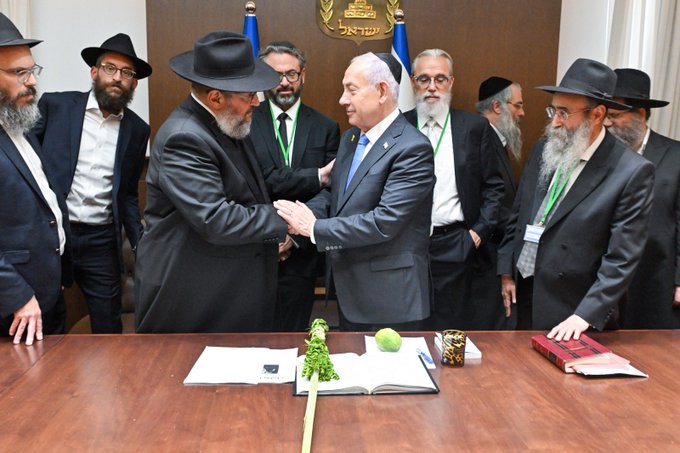
In Jerusalem, the eve of the anniversary saw Prime Minister Benjamin Netanyahu weave tradition into resolve, hosting Chabad-Lubavitch rabbis for Sukkot. They presented the Four Species—etrog, lulav, hadass, aravah—a biblical emblem of unity. Praising his steadfastness, the rabbis heard Netanyahu reflect: “The Four Species are a very precise expression for the People of Israel—everyone is different, and together a single nation. It is this unity, of the tradition of Israel, which gives us the power to defeat our enemies, and God willing, bring home all our hostages soon, and together ensure the eternity of the People of Israel and the Land of Israel.” His words, silken yet steely, framed Sukkot’s fragile huts as a metaphor for a nation under siege, yet defiant.

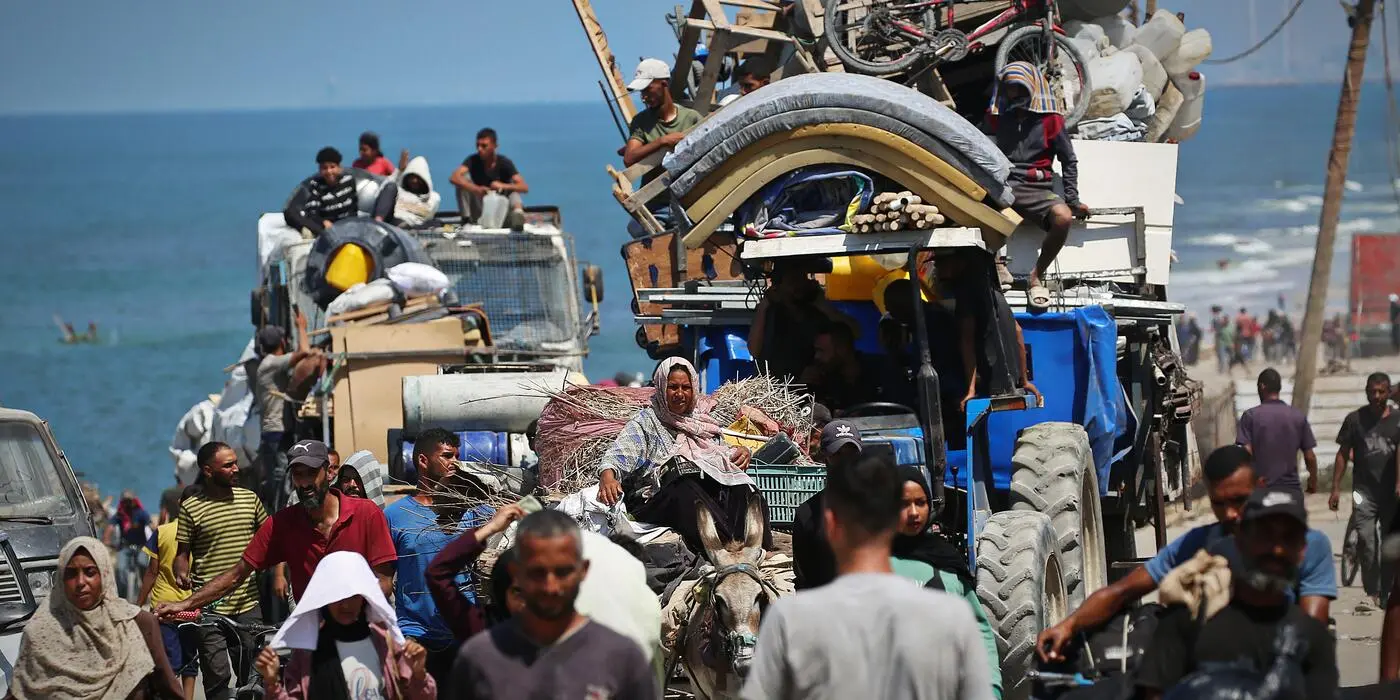
In Gaza, no such symbolism softens the reality. Overnight airstrikes reportedly claimed 19 lives, the latest in a relentless campaign that has caused widespread destruction and displacement. The United Nations Children’s Fund (UNICEF) laid bare a chilling truth: one in five newborns arrives prematurely, gasping for life without incubators or ventilators, as aid teams are stalled by military blockades. “We’ve moved the babies to another facility,” said UNICEF’s Ricardo Pires, voice heavy with futility, “but the incubators—it’s been denied so far.” The war has killed or maimed tens of thousands of children—UNICEF reported 61,000 casualties since the conflict began—each a wound on humanity’s conscience, their minds and bodies shattered by horrors no child should endure.
The United Nations Office for the Coordination of Humanitarian Affairs (OCHA) reported a grim statistic: 45% of over 8,000 aid convoys requested since October 2023 were blocked or impeded, starving relief efforts. The World Health Organization confirmed 400 malnutrition deaths, 101 of them children, with 640,000 trapped in catastrophic hunger, per the August 2025 Integrated Food Security Phase Classification report. Famine, now official in Gaza City, is slowly moving south, a spectre poised to engulf Deir al-Balah and Khan Younis. In Geneva, UN relief chief Tom Fletcher’s words, relayed by OCHA’s Jens Laerke, cut deep: “The pain is indescribable.” He demanded the hostages’ immediate release, their humane treatment, and protection for civilians—a plea that hangs heavy against the war’s unyielding math.
Yet, in Egypt’s Sharm El-Sheikh, a faint pulse of hope beats. Indirect talks between Israel and Hamas, mediated by Egypt, Qatar, and the United States, pressed into Tuesday, centred on a 20-point plan from President Donald Trump. It envisions an immediate truce, Israeli withdrawal, hostage release, Hamas’s partial disarmament with amnesty for those pledging peace, Gaza’s rebuilding under international supervision, and a path toward Palestinian self-governance. Hamas signals openness to releasing hostages but bristles at full disarmament; Israel demands ironclad security. Trump, flanked by envoys, declared the sides “very close,” as talks tackled prisoner swaps and aid surges. UN Secretary-General António Guterres called it “an opportunity that must be seized,” while UNICEF’s Pires saw a “glimpse of hope,” warning that famine’s southward march brooks no delay.
The war’s shadow stretches far: thousands of journalists have been killed, and tensions persist with Yemen’s Houthis vowing escalation. As Sukkot’s fragile shelters rise across Israel, they whisper of impermanence—a truth both sides know too well. The region teeters between a cycle of blood and a slender chance to rewrite its future, each choice a test of whether conscience can prevail over carnage.
– global bihari bureau