Deadly Nepal Landslides and Floods Claim Over 60 Lives
Kathmandu: The official death toll from landslides and flash floods triggered by relentless rainfall across eastern and central Nepal has reached at least 63, with over 40 people still missing as search and rescue operations work around the clock.
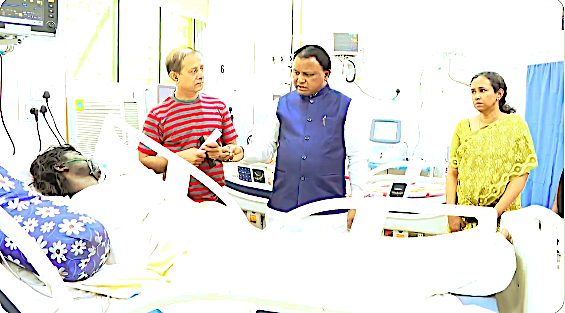
The Koshi Province, especially Ilam district, remains the hardest hit, as rising waters and earthflows flattened homes, blocked highways, and isolated dozens of remote villages. Injured survivors continue to arrive at hospitals, and the recovery of missing persons is ongoing as authorities use military helicopters and ground teams to reach affected regions.
Nepal’s Department of Hydrology and Meteorology today forecast continued heavy rainfall for the next 48 hours, with red alerts issued across more than a dozen districts. More landslides and flash floods are anticipated, and officials have warned residents in vulnerable hill slopes and riverbanks to be ready for further evacuation as the situation remains perilous.
The Nepal government has mobilised the army, police, and medical personnel, deploying forces in several critically affected districts including Ilam, Koshi Province, Panchthar, Dhankuta, and Jhapa. Troops are involved in search and rescue, evacuation, clearing blocked roads, and maintaining public order. Helicopters from the Nepal Army have been vital in reaching isolated communities, providing medical aid, and delivering relief materials. A national holiday was declared until tomorrow, suspending non-essential services to enable uninterrupted rescue work, while citizens have been urged to avoid unnecessary travel.
Many major highways remain closed due to landslides and flooding, blocking transportation links between Kathmandu and other regions. Domestic flights were temporarily grounded but have resumed as conditions improved. In Koshi, unusually high water levels in the Koshi River led officials to open 56 sluice gates, significantly more than the usual number, and plans were made to restrict heavy vehicle movement on bridges to prevent further damage. Rivers in Kathmandu overflowed, flooding riverside settlements and isolating parts of the capital. Emergency teams continue evacuating vulnerable populations from flood-prone areas.
Eyewitness accounts from Ilam district describe harrowing scenes where entire villages were swept away by landslides. In one tragic instance, a family of six lost their lives when their home was buried while they slept. Roads have been washed away or blocked with debris, making rescue operations difficult and slow. A local vegetable seller recounted how prior flood warnings allowed some residents to move belongings to safer locations, potentially saving lives. Rescue workers, often forced to proceed on foot due to blocked roads, are racing against time and the ongoing rains to reach stranded villagers and deliver aid.
The government, along with volunteers and NGOs, is working to set up temporary shelters and provide food, water, and medical assistance to thousands displaced by the disaster. As further rain is expected, authorities remain on high alert, emphasizing that public safety remains the highest priority during this challenging period for the nation.
In a show of regional solidarity, the Prime Minister of India, Narendra Modi, expressed deep sorrow over the loss of lives and extensive damage caused by the heavy rains in Nepal. He reiterated India’s steadfast support to the people and Government of Nepal during this difficult time and affirmed India’s commitment to extend all necessary assistance, underscoring the nation’s role as a friendly neighbour and first responder in times of crisis. In a post on X, Modi stated: “The loss of lives and damage caused by heavy rains in Nepal is distressing. We stand with the people and Government of Nepal in this difficult time. As a friendly neighbour and first responder, India remains committed to providing any assistance that may be required.” The message highlighted the close ties and cooperation between the two countries in managing natural emergencies.
– global bihari bureau