Photo source: Ministério dos Transportes e Logistica, Mozambique
Floods Submerge Gaza Province as Mozambique Faces National Emergency
Maputo/Geneva: Severe flooding linked to the 2025–26 rainy season has killed at least 112 people and affected 645,781 residents across Mozambique, according to official government figures, as United Nations agencies warn that the disaster is sharply increasing the risks of disease, malnutrition and further loss of life. The Mozambican government has declared a national red alert, its highest emergency warning level, and says conditions remain critical in several provinces, particularly Gaza, which has emerged as the epicentre of the crisis.
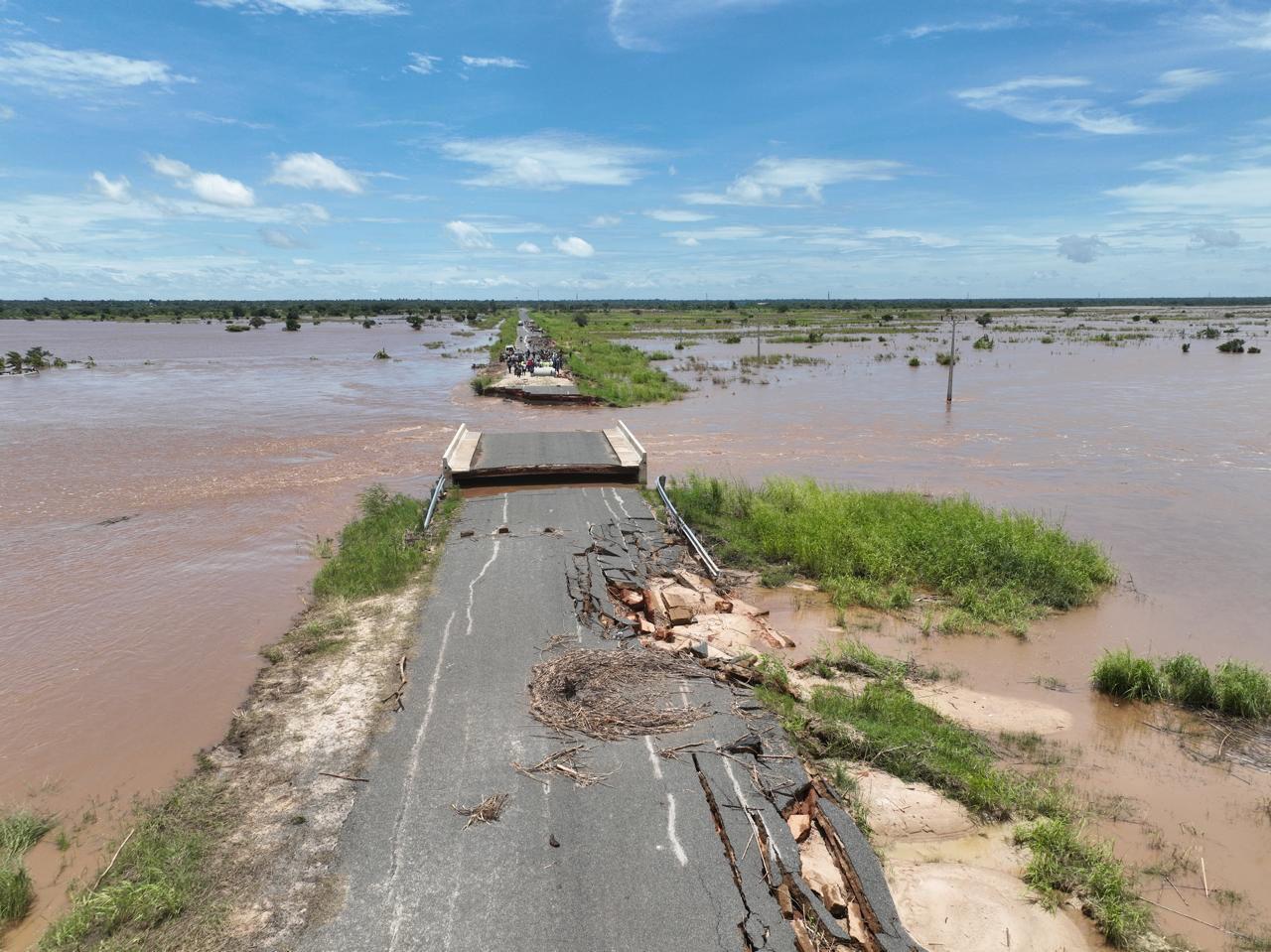
The Instituto Nacional de Gestão e Redução do Risco de Desastres (INGD) reported that, in addition to the confirmed deaths, three people remain missing and 99 have been injured as a result of flooding, collapsing structures and related incidents. Overall, 122,863 families have been affected across central and southern regions of the country, with displacement continuing as floodwaters spread and river levels remain high. Government assessments indicate that around 40 per cent of Gaza Province is currently submerged, forcing mass evacuations from low-lying districts, including the provincial capital Xai-Xai, which lies close to the Limpopo River.
United Nations officials say the scale of disruption continues to grow as rivers overflow and dams release water to prevent structural failure, even as rainfall begins to ease in some areas. Speaking from Xai-Xai, the head of the UN Office for the Coordination of Humanitarian Affairs (OCHA) in Mozambique, Paola Emerson, said that more than half a million people have already been impacted, warning that the numbers continue to rise daily. She explained that controlled dam discharges remain a major threat, noting that a single dam has been releasing up to 10,000 cubic metres of water every second, a volume she described as roughly 25 times the amount of water that could fill a large press briefing room each second, underscoring the destructive force facing downstream communities.
Housing vulnerability has significantly worsened the impact of the floods. Emerson noted that about 90 per cent of Mozambique’s population lives in adobe houses, earth-based structures that can collapse or dissolve after only a few days of heavy rain. Official figures show that 4,883 houses have been completely destroyed and 11,233 others partially damaged nationwide. To shelter displaced families, authorities have established 69 temporary accommodation centres, which are currently hosting around 70,488 people evacuated from flooded or high-risk areas.
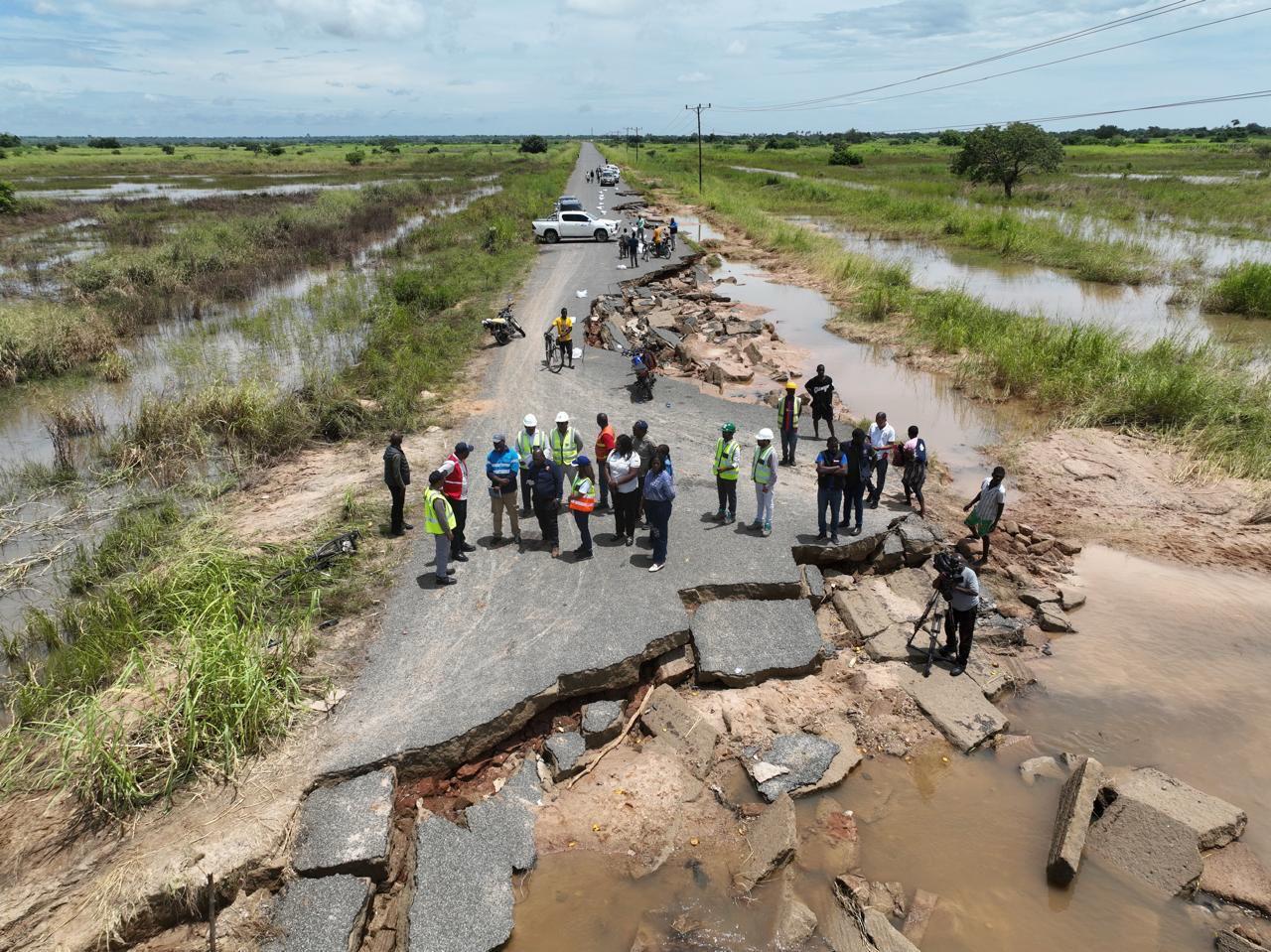
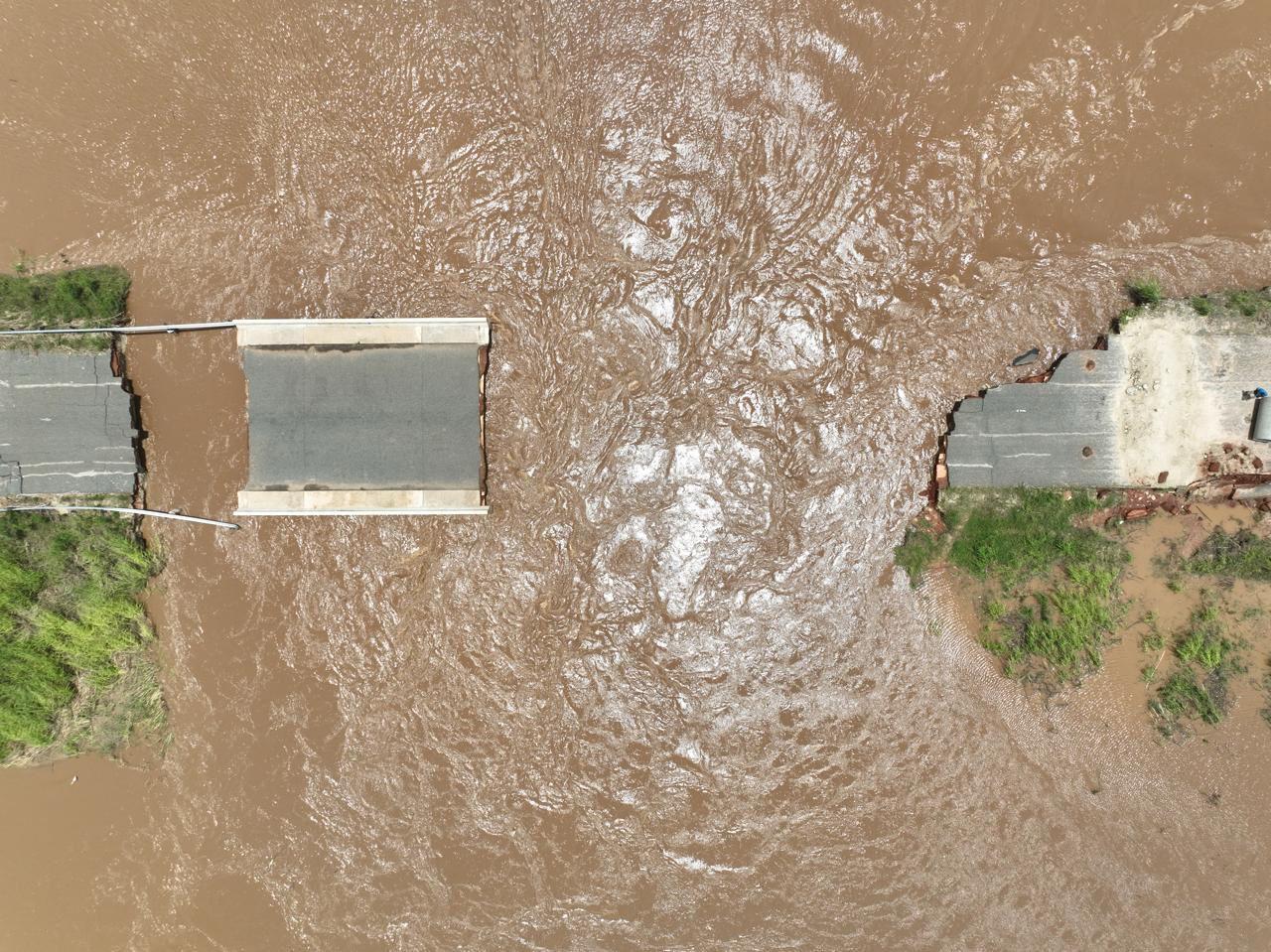
Infrastructure damage has been extensive and nationwide. According to the government, 2,515 kilometres of roads have been damaged, including 152 kilometres completely destroyed, while UN assessments estimate that up to 5,000 kilometres of roads have been affected across nine provinces. Among the worst hit is the main road linking the capital, Maputo, to the rest of the country, parts of which are currently inaccessible, causing major disruptions to supply chains, humanitarian access and the movement of food, fuel and medical supplies.
Social services have also been severely disrupted. Government data show that 56 health facilities, 306 schools and 44 places of worship have sustained damage, limiting access to healthcare and education at a time of rising public health risks. UN officials warn that floodwaters are now reaching densely populated urban areas, creating additional dangers. In Xai-Xai, authorities have issued alerts for downtown neighbourhoods, including warnings about crocodiles entering residential areas from the Limpopo River. OCHA described this as an unusual and serious urban threat, as reptiles normally confined to river systems are now able to move freely through submerged streets and communities.
The agricultural sector, which supports a large share of the population, has suffered heavy losses. INGD reports that more than 165,000 hectares of farmland have been affected, with 73,695 hectares considered lost. The flooding has impacted over 111,000 farmers and resulted in the death of nearly 39,000 livestock, raising serious concerns about food availability and rural livelihoods in the coming months.
UNICEF has warned that the floods are turning unsafe water, disease outbreaks and malnutrition into a deadly threat for children. Speaking from Gaza Province, UNICEF Mozambique’s Chief of Communication, Guy Taylor, said that Mozambique is a country of children and young people, with an average age of just 17, and that the youngest are being hit hardest by the crisis. He noted that even before the floods, four out of every 10 children in Mozambique suffered from chronic malnutrition, and that the current disruption to food supplies, health services and caregiving practices risks pushing the most vulnerable children into a dangerous and potentially lethal spiral.
UN agencies have also cautioned that Mozambique is now entering its annual cyclone season, raising the risk of a compounded emergency if further storms strike flood-affected areas. While some rainfall has eased, dam releases and saturated river basins mean the danger remains high, particularly for communities already displaced or living in temporary shelters.
In response, the Mozambican government has activated national emergency coordination mechanisms and established a central emergency operations centre in Xai-Xai to oversee rescue, evacuation and relief efforts. Search-and-rescue teams continue to operate in flooded districts, while authorities urge residents in high-risk zones to comply with evacuation orders and safety warnings.
Officials say the figures released reflect confirmed assessments as of January 20, 2026, and caution that the human and material toll may rise further as access improves and additional areas are assessed. Humanitarian agencies stress that rapid action is essential to prevent avoidable deaths and long-term damage, particularly among children, as Mozambique confronts one of the most severe flood emergencies in recent years.
– global bihari bureau