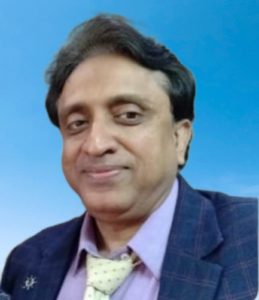
 – By Dr Satish K Gupta*
One Contaminated Batch, A Nation’s Regulatory Failure
Coldrif Case Puts India’s Drug Quality Under Scrutiny
New Delhi: Unanswered questions haunt India’s drug regulatory system after the deaths of at least nine children in Chhindwara (Madhya Pradesh) and parts of Rajasthan, linked to a toxic cough syrup. How long were systemic lapses tolerated? How many more children fell through regulatory cracks before detection? And why was the central lab confirmation, required for final legal action, delayed? These questions weigh heavily on public trust, even as authorities scramble to respond.
The deaths, reportedly caused by ingestion of Coldrif—a paediatric cough syrup containing diethylene glycol (DEG)—have exposed persistent weaknesses in India’s drug safety network. DEG, an industrial solvent not meant for human consumption, has a long history of causing acute kidney injury, renal failure, and death, particularly among children. The implications extend beyond Madhya Pradesh and Rajasthan, raising urgent questions about the monitoring and enforcement of drug safety standards nationwide.
The Ministry of Health and Family Welfare confirmed that one sample of Coldrif, manufactured by Sresan Pharma in Kancheepuram, Tamil Nadu, tested positive for DEG beyond permissible limits. A multi-agency probe team comprising officials from the National Centre for Disease Control (NCDC), National Institute of Virology (NIV), and Central Drugs Standard Control Organisation (CDSCO) found nine other samples within standards, but a single contaminated batch was enough to expose regulatory gaps that have again cost young lives.
The manufacturing licence of the implicated unit has been recommended for cancellation by the CDSCO, and Tamil Nadu’s Food and Drug Administration (FDA) has initiated criminal proceedings. Madhya Pradesh has banned Coldrif and seized 433 bottles, although 222 had already been sold in one district. Rajasthan has suspended its top Drug Controller, halted distribution of 19 medicines from another manufacturer under scrutiny, and banned the sale of all products from the implicated company.
The human cost is immediate. In addition to the nine confirmed deaths, clusters of children are being treated for acute kidney injury, some requiring intensive care. Arrests of prescribing doctors and seizures of contaminated syrup indicate swift action, yet these steps arrive after tragedy has struck, leaving affected families with grief and unanswered questions.
A central investigation team was dispatched to Chhindwara and Nagpur to trace the source of contamination, assess exposure, and evaluate clinical outcomes in children. The investigation was triggered by unusual case clusters flagged by the Metropolitan Surveillance Unit (MSU), Nagpur, under the Pradhan Mantri–Ayushman Bharat Health Infrastructure Mission (PM-ABHIM), and reported through the Integrated Disease Surveillance Programme (IDSP). Teams collected samples from clinics, pharmacies, and the manufacturing site; interviewed healthcare providers, families, and distributors; and coordinated with state authorities to prevent further distribution of contaminated syrup.
State-level FDAs—Tamil Nadu, Madhya Pradesh, and Rajasthan—are under intense scrutiny. Tamil Nadu has been asked to act against the Kancheepuram unit, while Rajasthan’s top drugs regulator was suspended. Yet, unresolved questions persist: why were these lapses tolerated for years? How many children fell through regulatory cracks before detection? Why was the central lab confirmation delayed? The Ministry’s response is urgent, but the real test is accountability, not statements.
While immediate action is necessary, the public expects a broader framework of accountability. These include transparent disclosure of all laboratory findings from state, central, and reference labs, with batch numbers and chemical data (DEG/EG levels); swift cancellation of Sresan Pharma’s licence; criminal investigations covering all parties—raw material suppliers, excipient vendors, distributors, and negligent officials; and a nationwide re-audit of all cough syrup manufacturers under risk-based inspections.
Other vital measures include strict enforcement of Revised Schedule M, mandating DEG/EG testing for excipients and finished products; strengthened pharmacovigilance, requiring every hospital, clinic, and pharmacy to report adverse events in children immediately through IDSP/IHIP; and rational use guidelines for clinicians and pharmacists to avoid irrational combinations and exercise caution when prescribing to children under five. Public awareness campaigns are also critical, empowering parents to ask: “Has this syrup been tested? Is DEG/EG present?”
Past incidents underscore systemic risk. In 2019–2020, Coldbest-PC, manufactured by Digital Vision Pharma, was linked to child deaths in Jammu & Kashmir, with lab tests revealing DEG contamination as high as 34 per cent. In 2022, Indian-made syrups were associated with fatalities in The Gambia and Uzbekistan, prompting the World Health Organization (WHO) to issue alerts and urge tighter controls. Despite these precedents, domestic enforcement gaps have persisted, leaving children vulnerable.
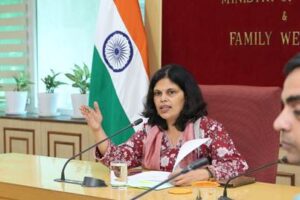
The Ministry convened a high-level meeting on October 5, chaired by Union Health Secretary Punya Salila Srivastava, with senior officials from the Centre and all states and Union Territories. Attendees included Amit Agarwal, Secretary, Department of Pharmaceuticals; Dr Rajiv Bahl, Secretary, Department of Health Research and Director-General of the Indian Council of Medical Research (ICMR); Dr Sunita Sharma, Director-General of Health Services (DGHS); Dr Rajeev Raghuvanshi, Drugs Controller General of India (DCGI); and representatives of the National Health Mission (NHM).
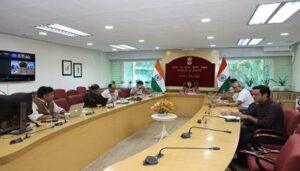 During the meeting, Srivastava emphasised strict compliance with the Revised Schedule M, calling on all drug manufacturers to adhere to Good Manufacturing Practices (GMP), conduct rigorous testing of raw materials and finished products, and maintain robust quality management systems. States were instructed to conduct risk-based inspections, strengthen inter-state coordination, and ensure timely reporting of adverse events through IDSP/IHIP. Clinicians were advised against prescribing cough syrups to children under two years, with caution urged for under-five patients. Officials also highlighted the Revamped Pharmaceuticals Technology Upgradation Assistance Scheme (RPTUAS) to support GMP upgrades.
Yet, the deaths in Chhindwara and Rajasthan raise critical questions about execution gaps: if strict compliance with Revised Schedule M is mandated, why did contamination slip through at Sresan Pharma? Why were audits, excipient testing, and process validations insufficient to prevent DEG-tainted syrup from reaching children? Srivastava’s call for enforcement underscores policy intent, but the persistent recurrence of syrup-related fatalities suggests a systemic failure in translating regulations into consistent oversight. The meeting’s directives, while necessary, must be weighed against historical delays in detection, uneven state-level enforcement, and lapses in pharmacovigilance.
The cumulative picture is stark. At least nine children dead, dozens hospitalised, repeated regulatory lapses over the years, and warnings unheeded—yet corrective action often arrives only after clusters appear. Enforcement, inspection, testing, and surveillance have repeatedly lagged behind industry practices and public safety needs.
India now faces a test of regulatory resolve. Calls for Schedule M enforcement, crackdown on non-compliant units, and rational prescribing are necessary but not sufficient. Dead children demand answers. Public trust will be restored only through relentless oversight, transparent reporting, and sustained enforcement, ensuring that medicines meant to heal do not endanger life. The tragedy in Chhindwara and Rajasthan is a national reckoning for India’s pharmaceutical governance, and the stakes could not be higher.
*Dr. Satish K Gupta, MBBS, MD, FICP, CFM (France), FRCP, is an acclaimed medical professional, a prolific writer and an innovative thinker. He is also a Visiting Senior Consultant Physician and Internist at Max Super Speciality Hospital, and a Clinical Assistant Professor at GS Medical College, Chaudhary Charan Singh University, Meerut. He is the author of Journey of COVID in India: A Doctor’s Perspective.