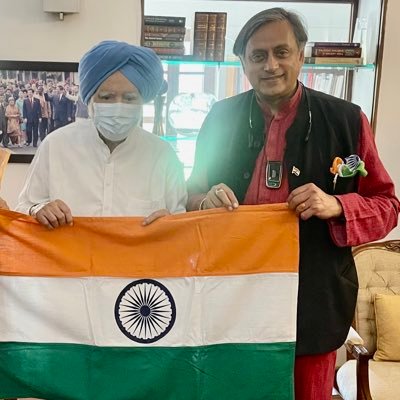
Shashi Tharoor (Top and above). Photos @ShashiTharoor|Twitter

New Delhi: In the swirling cauldron of Indian politics, Shashi Tharoor, the silver-tongued Congress parliamentarian from Kerala, finds himself walking a tightrope. The four-time Lok Sabha member from Thiruvananthapuram, renowned for his intellectual prowess and global stature, is under fire from his own party for comments on Operation Sindoor that some colleagues claim sound suspiciously like applause for Prime Minister Narendra Modi.
As Tharoor leads a high-stakes diplomatic delegation across multiple countries, including his current stop in the United States, whispers of disciplinary action from the Congress high command grow louder. Speculation swirls that by the time he returns to India this weekend, the party may be ready to tighten the screws on one of its most prominent faces. Yet, this saga is less about one man’s words and more about a party grappling with its identity, a government dodging tough questions, and a nation navigating the murky waters of international diplomacy.
Tharoor, a towering figure whose eloquence and erudition have long made him a Congress asset, is no stranger to controversy. His recent remarks, delivered while spearheading an all-party delegation to explain India’s strikes on terrorist hubs in Pakistan, have sparked a firestorm. By presenting the government’s official line on Operation Sindoor—a military response to a terror attack in Jammu and Kashmir’s Pahalgam—Tharoor has drawn ire from fellow Congressmen who see his stance as too cozy with Modi’s Bharatiya Janata Party (BJP).
Congress spokesman Udit Raj didn’t mince words, branding Tharoor the “chief spokesman of the BJP,” a jab echoed by other party heavyweights like Jairam Ramesh. To them, Tharoor’s actions clash with the party’s narrative, led by Leader of the Opposition Rahul Gandhi, who has relentlessly questioned the government’s handling of the unilateral ceasefire that followed Operation Sindoor. Gandhi’s pointed queries—well within his rights as opposition leader—demand transparency on whether the ceasefire stemmed from Pakistan’s capitulation or external pressures, yet the BJP has dismissed them as anti-national, sidestepping answers with political barbs.
Tharoor’s defenders argue he’s in an impossible position. Tasked with leading MPs to countries like Guyana, Panama, Colombia, Brazil, and now the US, he’s duty-bound to project India’s zero-tolerance stance on terrorism, countering Pakistan’s narrative on the global stage. How could he, while standing on foreign soil, echo Gandhi’s domestic critiques without undermining the nation’s unified front? Other Congress MPs in similar delegations, including luminaries like Anand Sharma, Salman Khurshid, and Manish Tewari, have also toed the government line abroad, highlighting a delicate truth: some issues are debated at home, not aired internationally. These seasoned leaders, with their deep experience in world affairs, have deftly defended India’s position, even as the Ministry of External Affairs, led by S. Jaishankar, faces scrutiny for missteps like Jaishankar’s controversial claim that Pakistan was pre-notified of India’s strikes. The Congress sees this as a government ducking accountability, fueling suspicions that Operation Sindoor’s full story remains shrouded.
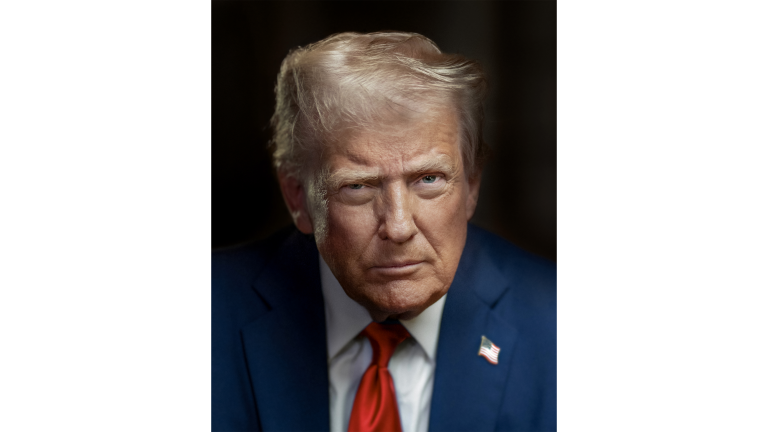
The plot thickens with U.S. President Donald Trump’s repeated boasts that he brokered the India-Pakistan ceasefire, a claim Tharoor has firmly denied, emphasizing India’s rejection of third-party mediation. The government, however, has yet to clarify whether Trump’s assertions are fiction or fact. If they’re false, New Delhi must say so unequivocally to Washington, dispelling doubts about whether Pakistan buckled under India’s might or if external hands nudged the truce. This ambiguity only deepens public skepticism, leaving people wondering whether Operation Sindoor was a triumph of Indian resolve or a diplomatic dance with hidden partners.
Within Congress, the Tharoor saga exposes deeper fault lines. Critics argue the party’s high command, orbiting Rahul Gandhi, has long sidelined Tharoor’s brilliance, relegating him to the margins while a loyal coterie calls the shots. This neglect, some say, fuels his independent streak, which rankles party discipline. In Kerala, where elections loom next year, Tharoor’s personal popularity positions him as a potential chief ministerial contender if Congress triumphs—a prospect that reportedly irks the leadership, who see his outspokenness as a breach of party loyalty. Social media buzzes with speculation that Tharoor, along with other delegation members like Milind Deora, who left Congress for Shiv Sena, might defect to the BJP or its National Democratic Alliance (NDA). Such talk isn’t new: since Modi’s rise in 2014, the BJP has poached Congress talent, an implicit admission of its own shortage of intellectual heavyweights. Tharoor, Sharma, Khurshid, and Tewari, with their global acumen, outshine many in the NDA’s ranks, making their inclusion in these delegations a strategic coup for the government—and a stinging rebuke to Congress’s failure to harness their potential.
The government’s decision to handpick Tharoor, despite Congress recommending others like Anand Sharma and Gaurav Gogoi, raises eyebrows. Was it a calculated move to exploit Congress’s internal rifts? BJP sources suggest Tharoor’s inclusion caught him by surprise, a chance to shine where his own party has dimmed his light. If Congress continues to undervalue leaders like him, the risk of defections grows. Yet, the BJP must also look inward. A senior military official’s recent call for accountability in India’s defense procurement and manufacturing ecosystem underscores gaps in Modi’s security strategy, which Operation Sindoor’s success cannot fully mask.
For Congress, Tharoor’s saga is a wake-up call. A strong liberal with a global following, he embodies the party’s progressive ideals but chafes against its rigid hierarchy. Party insiders admit his reactions sometimes skirt discipline, but stifling his voice only weakens Congress’s appeal. As Kerala’s polls approach, sidelining Tharoor could cost the party dearly. The broader lesson is clear: a party that fails to embrace its brightest stars risks losing them to rivals or irrelevance. Meanwhile, the nation watches as Tharoor, ever the diplomat, navigates this storm, balancing national duty abroad with a brewing rebellion at home. Operation Sindoor may have struck terrorist hubs, but it’s the political fallout that’s hitting hardest.
*Senior journalist