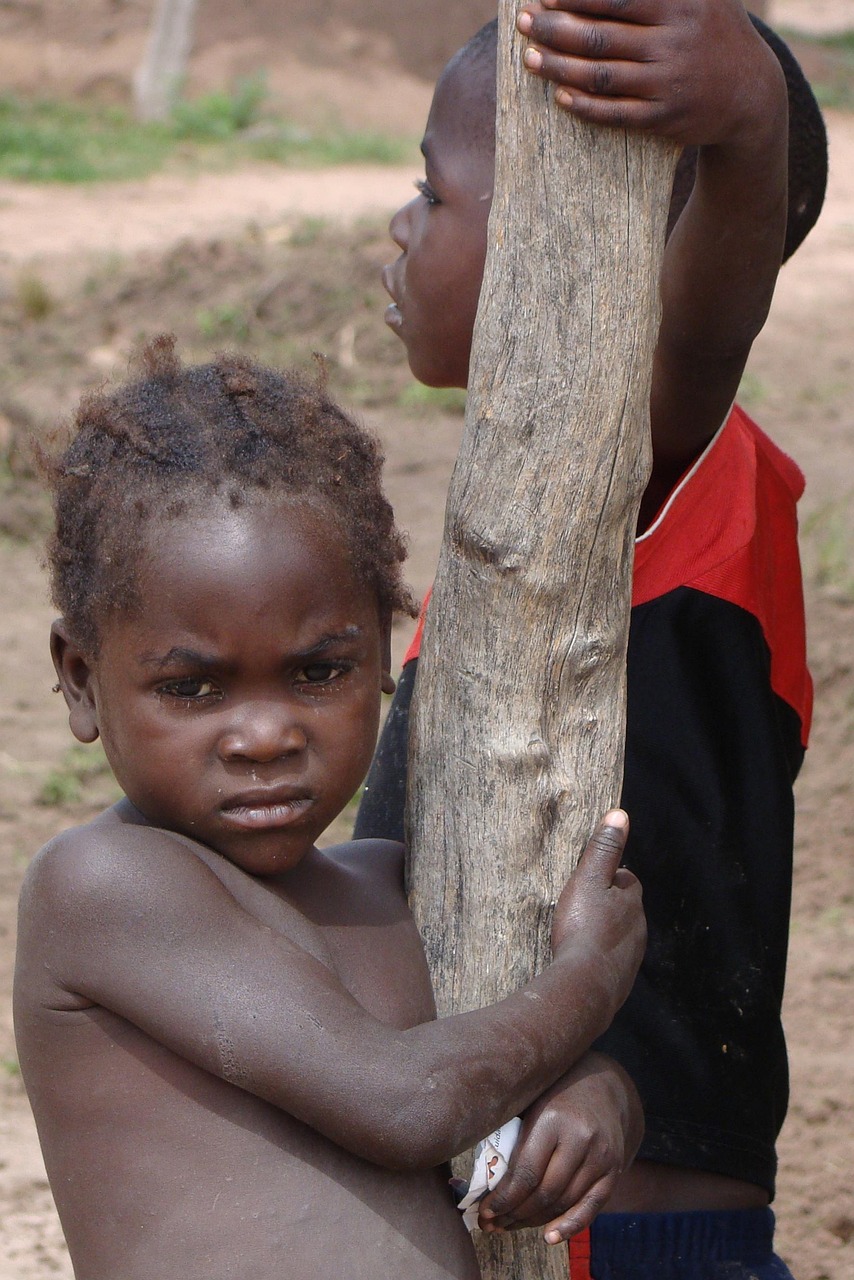
Global South Sweats, North Counts Profits
Poor Nations Pay 85% of Climate Health Bill While Emitting Least
Geneva: The world’s poorest countries are absorbing 85 per cent of the global health burden from climate change despite emitting less than 10 per cent of cumulative carbon, according to the 2025 Lancet Countdown on Health and Climate Change, released today in partnership with the World Health Organization.
The ninth annual report, produced by 71 academic institutions and United Nations agencies led by University College London, warns that unchecked emissions and inadequate adaptation are reversing decades of health progress, driving 546,000 heat-related deaths annually, fuelling the resurgence of dengue, malaria, and cholera, and pushing 124 million more people into food insecurity in 2023 alone. Twelve of 20 core health metrics reached record highs in 2024, including a 23 per cent rise in heat mortality since the 1990s, a 65 per cent increase in dengue transmission suitability since 1980, a 39 per cent expansion in malaria risk via Anopheles stephensi, and cholera exposure now threatening 1.4 billion people each year as warming oceans and floods contaminate water systems.
The average person endured 16 additional days of extreme heat in 2024 that would not have occurred without climate change, a fourfold increase over the 2000s, with infants and the elderly facing over 20 dangerous heatwave days each. In humid South Asia, outdoor workers lost 15 per cent of potential daylight labour hours, contributing to 640 billion lost work hours globally and productivity losses worth 1.09 trillion United States dollars, equivalent to Indonesia’s gross domestic product. Older adults alone accounted for health-related costs of 261 billion United States dollars, highlighting the lethal intersection of ageing populations and climate vulnerability. Sub-Saharan Africa, South Asia, and parts of Latin America face the steepest mortality and economic losses, with agricultural yields in several African and South Asian nations down by up to 10 per cent over the past decade due to erratic monsoons and soil degradation, as corroborated by the Food and Agriculture Organization’s Statistical Yearbook 2025, which notes perilously low dietary diversity across vulnerable populations, compounding malnutrition and disease.
In India, dengue suitability has risen 65 per cent since 1980, with cases now reported at 1,500 metres in Kerala highlands once considered safe, according to Kerala Health Department bulletins. In Bangladesh, salinity intrusion from rising seas has slashed coastal rice yields by 10 per cent, driving child stunting rates above 36 per cent in affected districts, per the Food and Agriculture Organization’s 2025 data. Malaria transmission windows have lengthened by 39 per cent in Ethiopia and Somalia, while cholera outbreaks surge as heavier floods and warmer seas taint water supplies, now endangering 1.4 billion people annually. In Brazil, Amazon droughts have triggered respiratory crises in Manaus, as documented by Fiocruz in 2025. Yet fossil fuel subsidies reached 956 billion United States dollars in 2023, more than triple the climate finance pledged to vulnerable nations, with 15 countries spending more on coal and oil subsidies than on their entire national health budgets, a discrepancy that undercuts commitments to adaptation and public health investment.
Despite the grim markers, progress offers cautious optimism. From 2010 to 2022, reduced coal combustion prevented an estimated 160,000 premature deaths each year due to lower particulate pollution. Renewable energy generation hit a record 12 per cent of global electricity, employing 16 million people. Two-thirds of medical students worldwide now receive formal education on climate and health, signalling a generational shift. The health sector itself reduced greenhouse gas emissions by 16 per cent globally between 2021 and 2022 while improving quality-of-care indicators. India’s National Health Adaptation Plan now covers 80 per cent of districts, a model cited in the report, with 58 per cent of World Health Organization member states completing health vulnerability assessments and 60 per cent finalising National Health Adaptation Plans. However, adaptation financing remains acutely unequal, with only 46 billion United States dollars reaching the health sector globally in 2024, representing under 1 per cent of total climate investment. For every 100 United States dollars spent on fossil fuel subsidies, less than 5 United States dollars is invested in health adaptation, leaving low-income nations dangerously underprepared for escalating risks from malaria resurgence to malnutrition and heat stress.
Dr Jeremy Farrar, World Health Organization Assistant Director-General for Health Promotion and Disease Prevention, said the findings illustrate that climate inaction is killing people now in all countries. He added that every fraction of a degree of warming costs lives and livelihoods, and that climate action is the greatest health opportunity of our time. Dr. Marina Romanello, Executive Director of the Lancet Countdown at University College London, said the solutions are already visible, noting that rapidly phasing out fossil fuels in favour of renewable energy, improving energy efficiency, and shifting to healthier diets could save over ten million lives a year, and that communities and local governments are proving progress is possible, but the momentum must accelerate. The report arrives ahead of the 30th Conference of the Parties to the United Nations Framework Convention on Climate Change, scheduled for December 2025 in Belém, Brazil, where the World Health Organization will present a Special Report on Climate Change and Health, advocating for the Belém Action Plan, a framework expected to embed health metrics at the heart of global climate negotiations.
The Lancet Countdown warns that without decisive mitigation, heat-related deaths could rise 370 per cent by 2050, and climate-related diseases could push an additional 200 million people into poverty. Yet the same models show that meeting the Paris Agreement target of limiting warming to 1.5 degrees Celsius could avert millions of premature deaths annually through cleaner air, improved diets, and safer cities. For now, the burden remains profoundly uneven. The world’s richest 10 per cent are responsible for over half of global emissions, while the poorest nations absorb the health fallout, from parched farms to overrun clinics. In Delhi’s Yamuna floodplains, rickshaw-puller Rajesh Kumar, 58, lost his wife Sunita to heatstroke on 12 June 2024 while working in 48-degree-Celsius heat. The air was fire, she collapsed at 2 PM, and no hospital took her without money, he recalled in a Down To Earth interview on 15 June 2025. Who pays for my loss, he asked. The data paint a picture not only of planetary instability but of moral imbalance: those least responsible for the climate crisis are paying for it with their lives.
– global bihari bureau