China Seeks WTO Consultations on India’s Solar, IT Tariffs
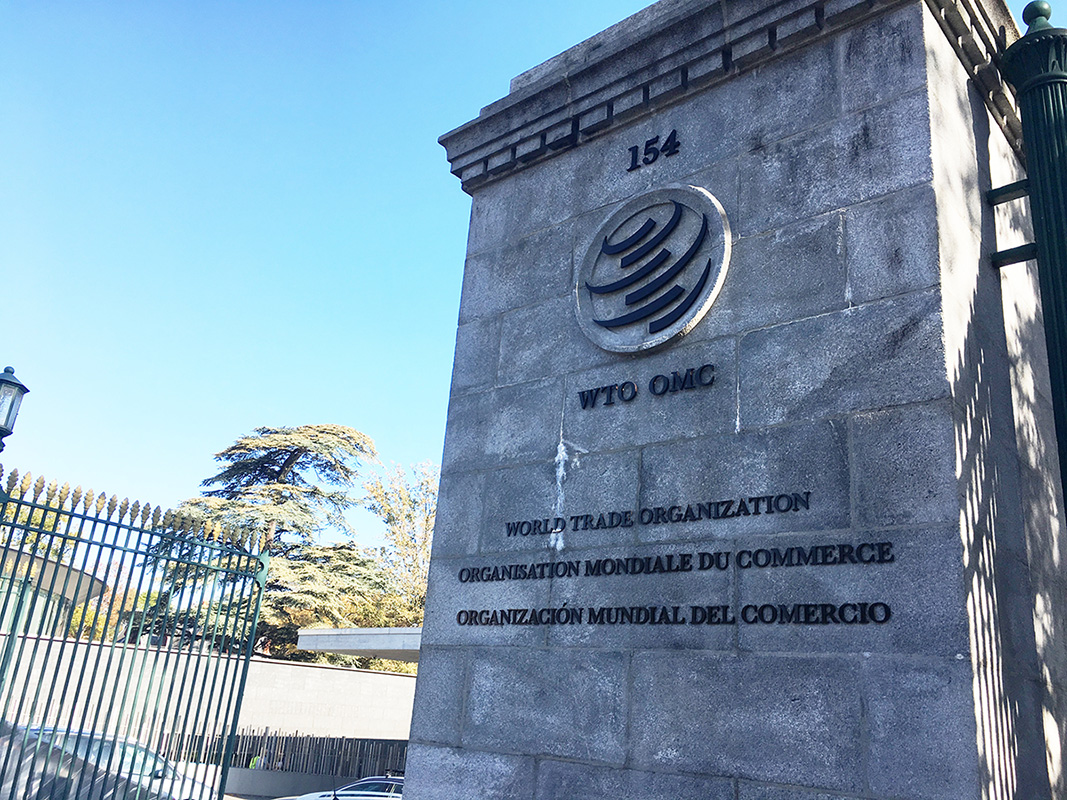
Geneva: China has formally initiated a dispute at the World Trade Organization (WTO) against India, seeking consultations over what it describes as discriminatory tariff and incentive measures affecting solar cells, solar modules and a range of information technology goods, marking the latest legal escalation around India’s industrial policy push in clean energy and electronics manufacturing.
The request for consultations, circulated to all WTO members on December 23, follows a communication dated December 19 in which China invoked provisions of the WTO’s Dispute Settlement Understanding (DSU), the General Agreement on Tariffs and Trade (GATT) 1994, the Agreement on Subsidies and Countervailing Measures (SCM Agreement), and the Agreement on Trade-Related Investment Measures (TRIMs Agreement). With this step, the dispute—registered as WT/DS644—formally enters the WTO system, triggering a 60-day window during which the two sides are expected to attempt a negotiated resolution before the matter can proceed to adjudication by a dispute panel.
At the centre of China’s complaint are two sets of Indian measures. The first relates to customs duties imposed on a range of technology products, including photovoltaic cells and modules, smartphones, telecommunications equipment, and machinery used in semiconductor and solar manufacturing. China argues that India applies import duties and additional charges exceeding the tariff ceilings it committed to in its WTO Schedule of Concessions. These measures are implemented through a web of domestic legal instruments, including the Customs Act, 1962, the Customs Tariff Act, 1975, as amended by successive finance acts, and a series of customs notifications issued between 2017 and 2025. China has also taken issue with India’s Agriculture Infrastructure and Development Cess, introduced under the Finance Act, 2021, arguing that it further raises effective tariff protection beyond bound rates.
The second and more structurally significant strand of the dispute concerns India’s Production Linked Incentive (PLI) Scheme for High Efficiency Solar Photovoltaic Modules, a flagship programme under the broader “Make in India” initiative launched in 2014. Adopted in April 2021 and implemented in two tranches, the solar PLI scheme offers cash grants to manufacturers that establish large-scale solar module production facilities in India. According to China, the scheme’s design links eligibility and the quantum of incentives to minimum local value addition thresholds, which range from 50 per cent to as high as 90 per cent depending on the level of vertical integration claimed by a beneficiary.
Under the scheme, firms must bid for support, declare their intended level of integration—from fully integrated facilities covering polysilicon to modules, down to units manufacturing only cells and modules—and commit to specific production capacities and performance parameters. Incentives are paid for up to five years from commissioning, decline annually, and increase with higher levels of local value addition achieved. China argues that these conditions effectively favour domestic inputs over imported ones, particularly those sourced from China, and amount to prohibited import-substitution subsidies under WTO rules.
In its legal assessment, China contends that India’s tariff measures breach Article II of GATT 1994 by imposing duties in excess of bound rates and by failing to accord Chinese goods the treatment promised in India’s tariff schedule. It further argues that the solar PLI scheme violates national treatment obligations under Article III of GATT, the core prohibition on trade-related investment measures under the TRIMs Agreement, and Articles 3.1(b) and 3.2 of the SCM Agreement, which bar subsidies contingent on the use of domestic over imported goods. Taken together, China maintains, these measures nullify or impair benefits accruing to it under WTO agreements.
The consultation request casts a wide net, explicitly covering not only the measures currently in force but also any amendments, extensions, renewals or implementing instruments that may be raised during talks. China has also reserved the right to introduce additional claims and evidence should the dispute proceed beyond consultations, including during any future panel proceedings.
A request for consultations is the first procedural step in WTO dispute settlement. It obliges the responding member—in this case, India—to engage in discussions aimed at resolving the matter without litigation. If no mutually agreed solution is reached within 60 days, China would be entitled to seek the establishment of a dispute panel, a move that would place India’s tariff regime and solar manufacturing incentives under formal multilateral scrutiny.
The dispute comes against the backdrop of India’s aggressive push to build domestic capacity in solar manufacturing and electronics, reduce reliance on imports, and anchor supply chains within its borders—objectives that have drawn both investment and criticism from trading partners. For the WTO, the case adds to a growing docket of disputes testing how far governments can go in using tariffs and incentives to pursue industrial policy goals within the constraints of global trade rules.
– global bihari bureau