The Brahmaputra River
 By Nava Thakuria*
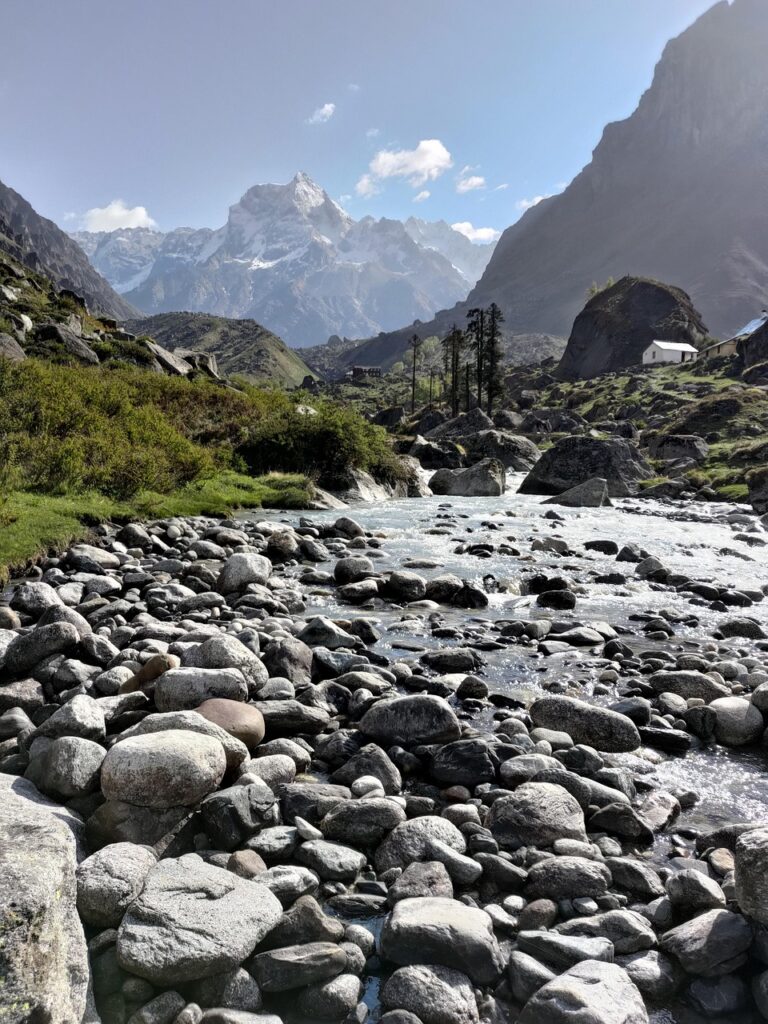
China initiated construction of a hydropower dam on the Yarlung Zangbo river, known as the Brahmaputra in India, in Tibet’s Medog region on July 19, 2025. Premier Li Qiang attended the groundbreaking ceremony. The project, with a $167.8 billion investment, is expected to generate 300 billion kilowatt-hours of electricity annually and yield $3 billion in yearly revenue for Tibet. China states the dam supports its 2060 carbon-neutrality goal and builds on existing smaller dams on the river.
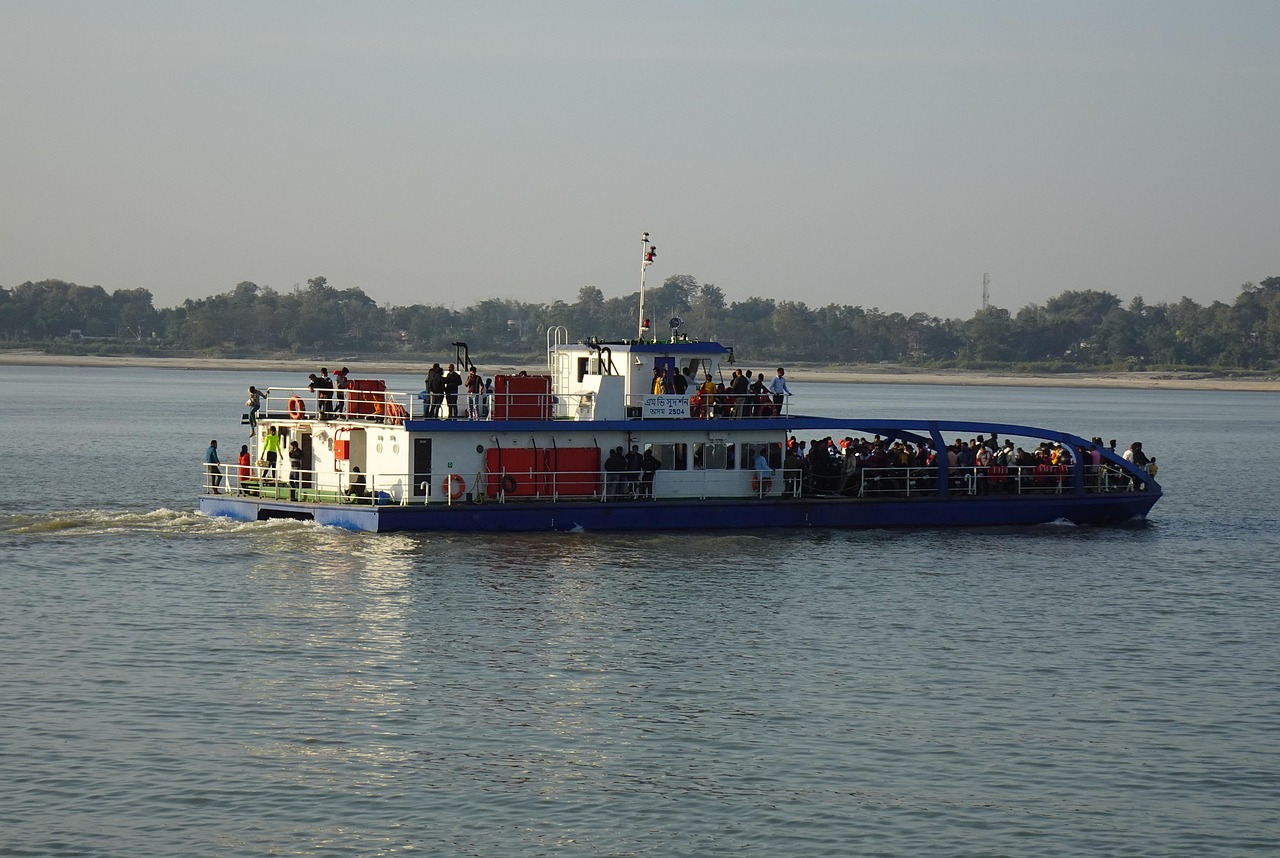
India and Bangladesh, downstream nations of the Yarlung Zangbo River, expressed concerns about potential impacts on the Brahmaputra, which supports agriculture, fisheries, and water needs. The river originates in Tibet’s plateau, feeding the Indus, Ganges, Mekong, and other rivers, sustaining over 1.5 billion people across Pakistan, India, Bangladesh, Myanmar, Laos, and Vietnam. The plateau’s seismic activity has raised questions about risks to downstream areas in the event of an earthquake.
Tibetan communities in Tibet and in exile protested the project, with thousands detained by authorities. Tibetans cited potential environmental impacts on the plateau’s ecosystems and effects on traditional livelihoods. Exiled Tibetans in India stated that China’s claim of sovereignty over Tibet’s resources limits local rights. They questioned China’s assertion, based on scientific studies, that the dam will not significantly affect downstream regions.
On July 23, 2025, China’s Foreign Ministry stated the project falls within its sovereignty and supports clean energy development to address climate change. The ministry said the dam aims to benefit Tibet’s economy. Exiled Tibetans argued that China’s stance prioritises control over Tibet’s resources, sidelining local religious, cultural, and political concerns, as Tibetans seek greater autonomy.
The South China Morning Post, in an editorial, called for transparency to address regional concerns. The newspaper noted the dam could supply power to 300 million people, including in Nepal, Bhutan, India, Bangladesh, and Myanmar, and support water-dependent economies if managed through diplomacy. It stated that without access to design and impact studies, concerns will persist among Tibetans and downstream nations.
The lack of detailed information on environmental and seismic impacts continues to drive discussions, as the dam’s effects could extend across borders. China’s project highlights the need for dialogue among affected nations to balance development and regional water needs.
*Senior journalist