FAO Honours Chile’s Indigenous Farming Traditions
Ancient Chilean Food Systems Gain Global Status
First light reaches the northern Andes like a blade of gold, slicing across the cold plateaus where Chile rises into its thinnest air. Here, above 3,000 metres, the land is so exposed that every movement echoes—wind dragging dust across terraces, hoofbeats of alpacas threading the silence, a herder’s call drifting farther than seems possible.
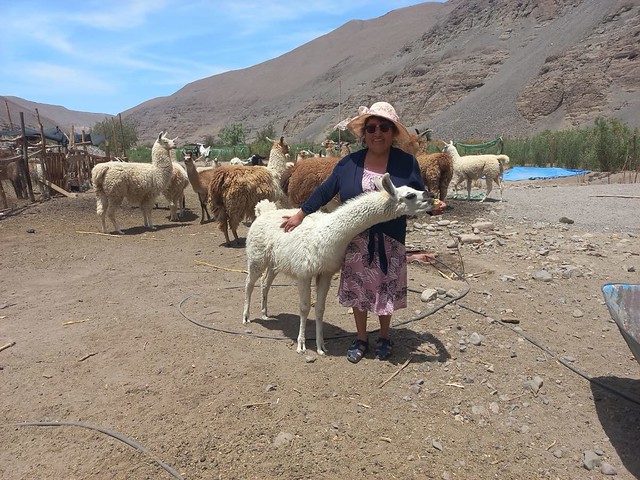
The Aymara, Quechua, and Likan Antay families who live in this rarefied world have spent centuries reading the mountain’s moods, tending herds and coaxing food from slopes that outsiders often describe as barren. Yet to the people who know it best, this is a landscape of abundance—one that yields quinoa, potatoes, maize, fibre and stories, if approached with humility and inherited skill.
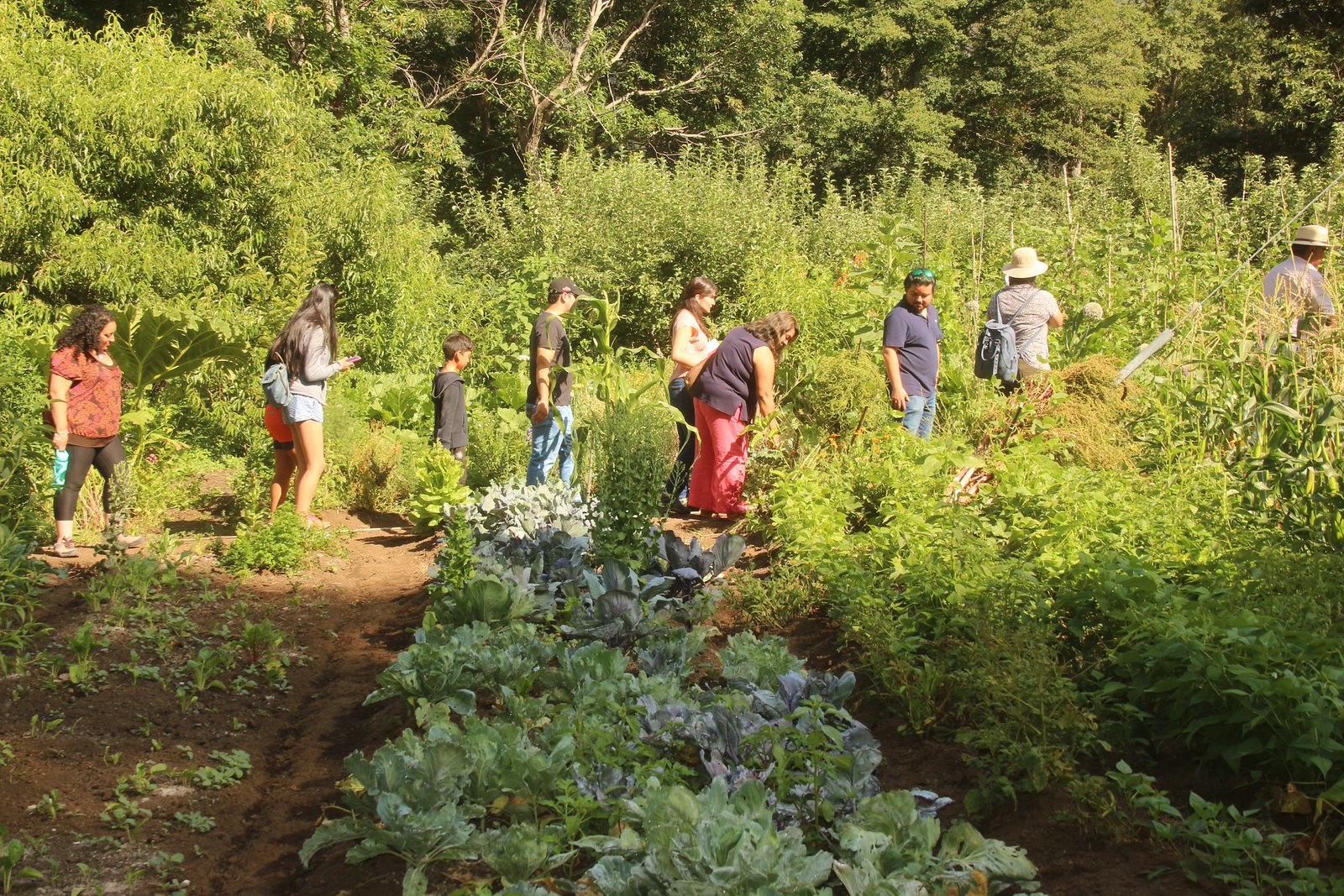
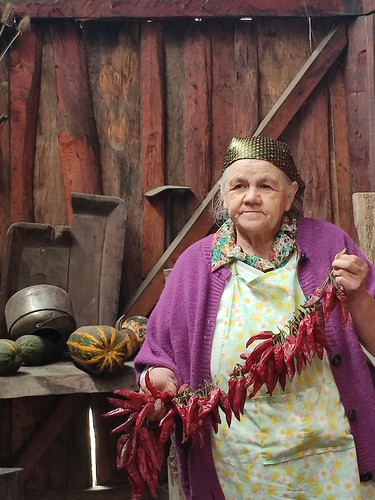
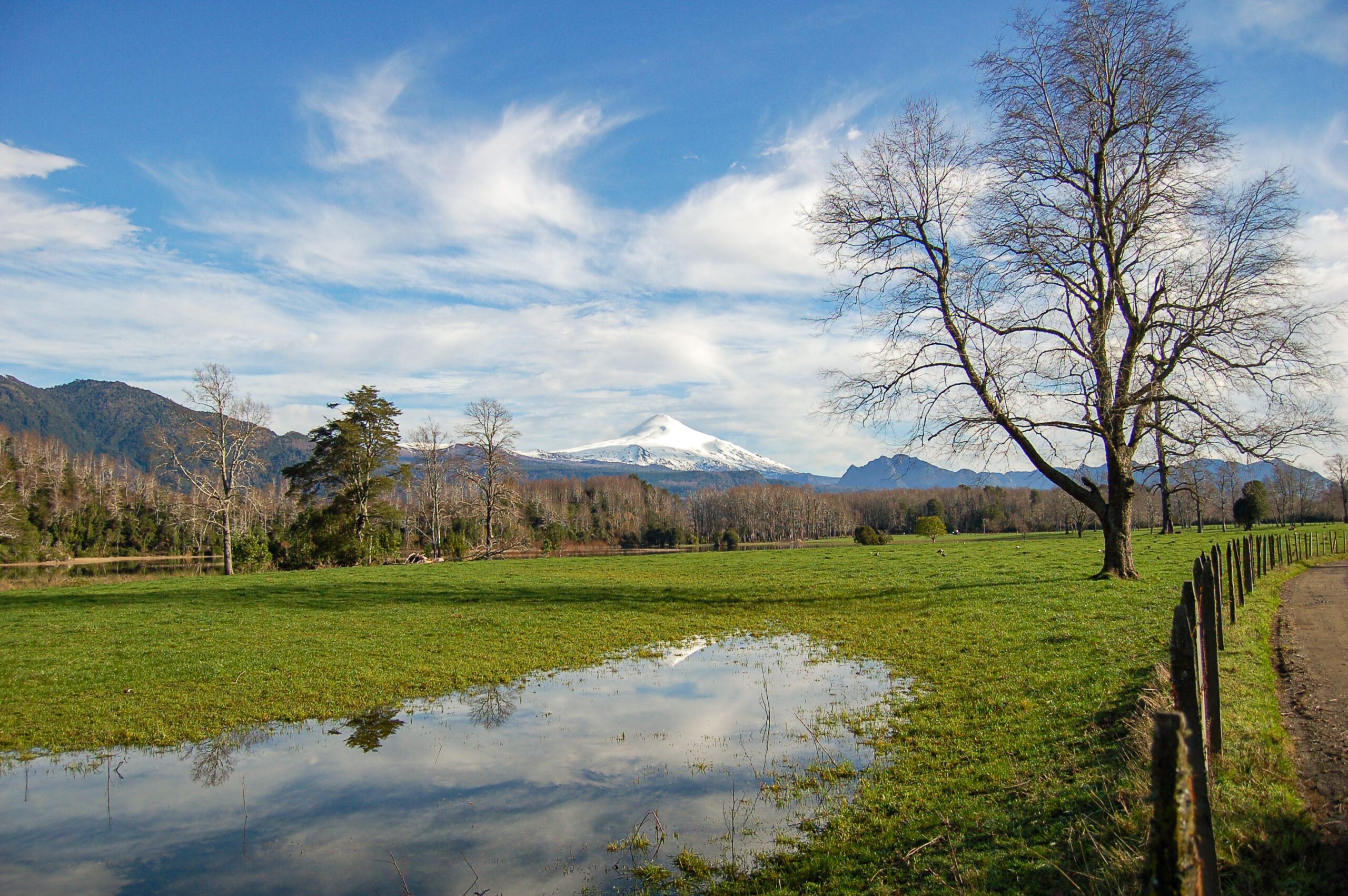
Far to the south, in the shadowed valleys of the Pehuenche mountain range, the air feels different: thick with resin, birdsong, and moisture from mist rising off volcanic soils. Here, the pewen—Araucaria araucana—towers like a sentry, its armoured branches reaching into the sky in spiralling geometry. When the wind passes through its canopy, it produces a low, ancient hum, as if the tree itself were remembering something. Families gather their piñones, the starchy seeds that sustain whole communities and anchor Mapuche-Pehuenche identity. Women tend homegardens that burst with medicinal plants and heirloom crops—living archives meticulously curated beneath the watchful presence of the forest.
These two landscapes, worlds apart yet united by ancestral ingenuity, have now been recognised by the Food and Agriculture Organization of the United Nations (FAO) as Globally Important Agricultural Heritage Systems. Only 104 such systems exist on Earth, and Chile now counts three of them. Latin America, with these additions, holds eleven across five countries. Each site represents a place where ecological balance and cultural survival have evolved together—sometimes against odds so steep that the survival itself seems a quiet kind of defiance.
The announcement from Rome carried not a ceremony but a gentle warning wrapped in admiration. “Agricultural heritage is not a legacy of the past, but a living foundation for the future,” said Kaveh Zahedi, Director of FAO’s Office of Climate Change, Biodiversity and Environment. In both the northern altiplano and southern forests, that truth is visible in small daily gestures: the way a woman checks quinoa seeds by rolling them between her palms; the way a herder watches the sky to read shifting seasonal cues that no longer arrive on schedule; the way families consult ecological calendars recorded through drawings, songs or simple memory to decide when to move animals or when to forage.
The recognition is the product of a long, careful effort supported through a Global Environment Facility–funded initiative implemented by FAO and Chile’s Ministry of Agriculture. Community elders, herders, gatherers and farmers took part in documenting practices that had never before been written down: the exact timing of water release from stone canals, the unwritten rules governing shared pastures, the diversity of crops cultivated in terraces and gardens, and the ceremonies that guide stewardship of forests and fields. Officials say this mapping of knowledge—patient, respectful and led by the communities themselves—has begun to influence regional planning. It has revived nearly forgotten crop varieties, strengthened women’s seed networks, and offered environmental managers a clearer picture of how climate variability is unsettling old patterns.
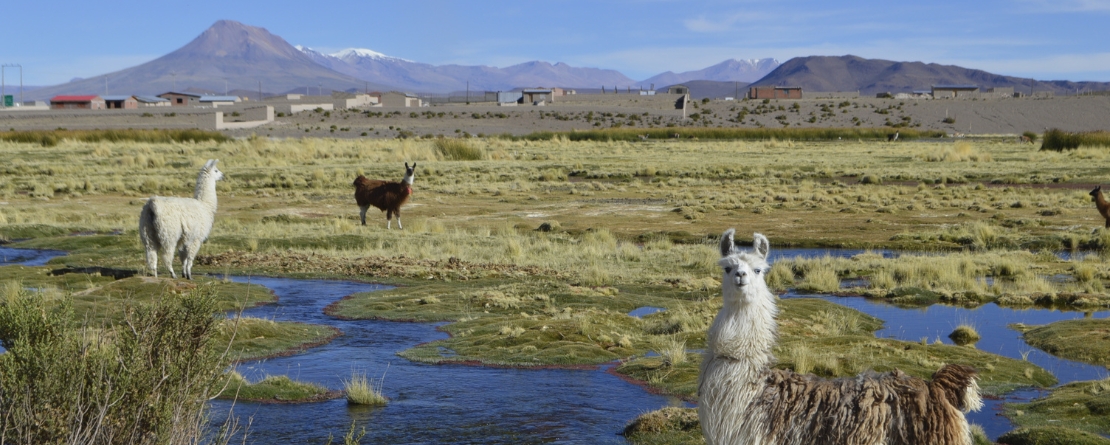
In the Andean north, the integrated system of camelid herding and agriculture hums with understated sophistication. Terraces etched into slopes help stabilise soil and channel scarce moisture. Micro-irrigation systems divert water with precision that modern engineers still study. Rotational grazing and seasonal movement protect fragile high-altitude grasslands from collapse. Women’s work ensures the continuity of seed diversity and food traditions that would vanish without their hands. During documentation, elders spoke of springs that refill more slowly, pastures that green later, and rains that hesitate on the horizon. In response, they have begun redrawing grazing routes and adapting their calendars—proof that heritage, to survive, must move.
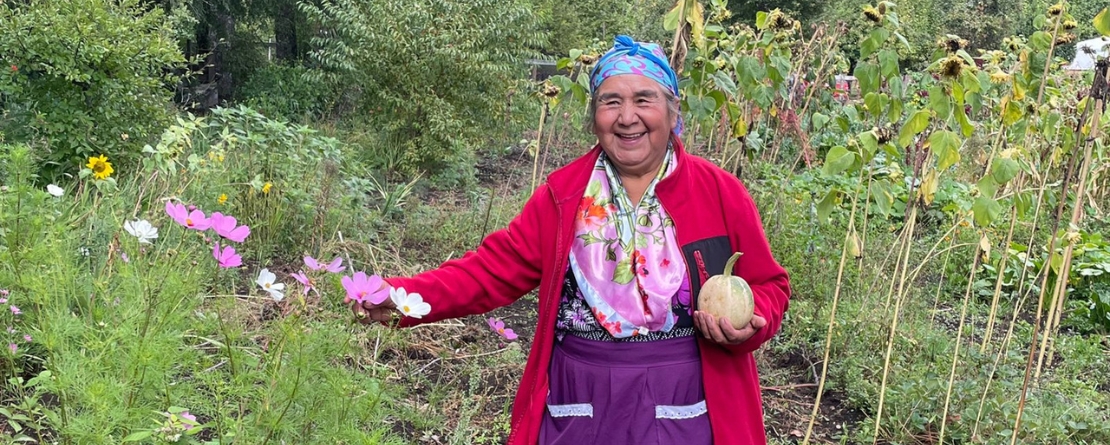
In the Pehuenche territory, the rhythm shifts from open wind to forest breath. The homegardens, often no bigger than a courtyard, are astonishing in scope: herbs for fever, tubers for ceremonies, flowering plants for pollinators, and vegetables that thrive only under specific layers of shade. Seasonal livestock movement links valleys to highlands, allowing grasslands to recover in cycles refined over generations. Gathering in the forest is not a simple act of collecting food; it is an affirmation of the Mapuche concept of Itrofil Mogen—the interdependence of all living things. During the FAO-supported work, young gatherers practised identifying edible plants using grandmother-taught techniques, while elders recited stories tied to particular trees or ridges. These memories anchor a governance system that values reciprocity and collective responsibility.
For both regions, the GIAHS label is expected to draw research, training and support, but the deeper significance lies in recognition. It acknowledges that these landscapes are not remote remnants but active models of resilience at a time when climate disruption threatens even the most industrialised food systems. Officials say some communities are now exploring cooperative alpaca-fibre ventures, while others are experimenting with small-scale agroforestry that aligns with ancestral principles. Every new idea is measured against old wisdom, as if the land itself were the final arbiter.
What binds these two places—beyond geography, beyond history—is their insistence that living with the land is a relationship, not a transaction. In the highlands, that relationship is traced in the quiet movement of alpacas across ancient routes. In the south, it lingers in the crack of a piñón shell between skilled hands. Both call back to ways of seeing and surviving that have outlasted empire, drought, modernisation and now climate instability.
These heritage systems breathe. They evolve. And in their endurance lies a lesson: sometimes the future is rooted not in innovation, but in the oldest knowledge still held with confidence.