India Prepares for Largest Statistical Exercise in 2027
Digital Census to Cover Entire Population, Include Caste
Census 2027 Introduces Mobile Data Collection, Real-Time Monitoring
New Delhi: The Census of India 2027, the country’s largest administrative and statistical exercise, has been approved by the Union Cabinet at a cost of Rs. 11,718.24 crore. The exercise will cover the entire population and provide critical data for policymaking, governance, and planning. It will also include caste enumeration, digital data collection, and a first-of-its-kind real-time monitoring system to ensure accuracy and efficiency.
The Census will be conducted in two phases. The Housing Listing and Housing Census is scheduled from April to September 2026, while the Population Enumeration will take place in February 2027. For the Union Territory of Ladakh and snowbound, non-synchronous areas of the Union Territory of Jammu and Kashmir, as well as the states of Himachal Pradesh and Uttarakhand, Population Enumeration will be conducted in September 2026. Approximately 30 lakh field functionaries, including enumerators, supervisors, master trainers, charge officers, and principal or district census officers, will be deployed to carry out the work, receiving a suitable honorarium as the tasks are in addition to their regular duties.
Several new initiatives are being introduced for Census 2027. This will be the first fully digital Census, with data collected through mobile applications available for both Android and iOS platforms. A dedicated Census Management and Monitoring System portal will manage the entire process in real time, while a Houselisting Block Creator web map application will be used by charge officers. Citizens will also have the option to self-enumerate, and robust security measures have been put in place to safeguard the digital operation.
A nationwide publicity campaign will be conducted to ensure inclusive participation, last-mile engagement, and support for field operations. Accurate, authentic, and timely information will be shared with the public. Caste data will be captured electronically during the Population Enumeration phase, following a decision by the Cabinet Committee on Political Affairs on April 30, 2025.
To execute the Census successfully, about 18,600 technical personnel will be engaged at local levels for approximately 550 days, generating around 1.02 crore man-days of employment. Technical staff at the charge, district, and state levels will gain capacity in digital data handling, monitoring, and coordination, contributing to future employment prospects.
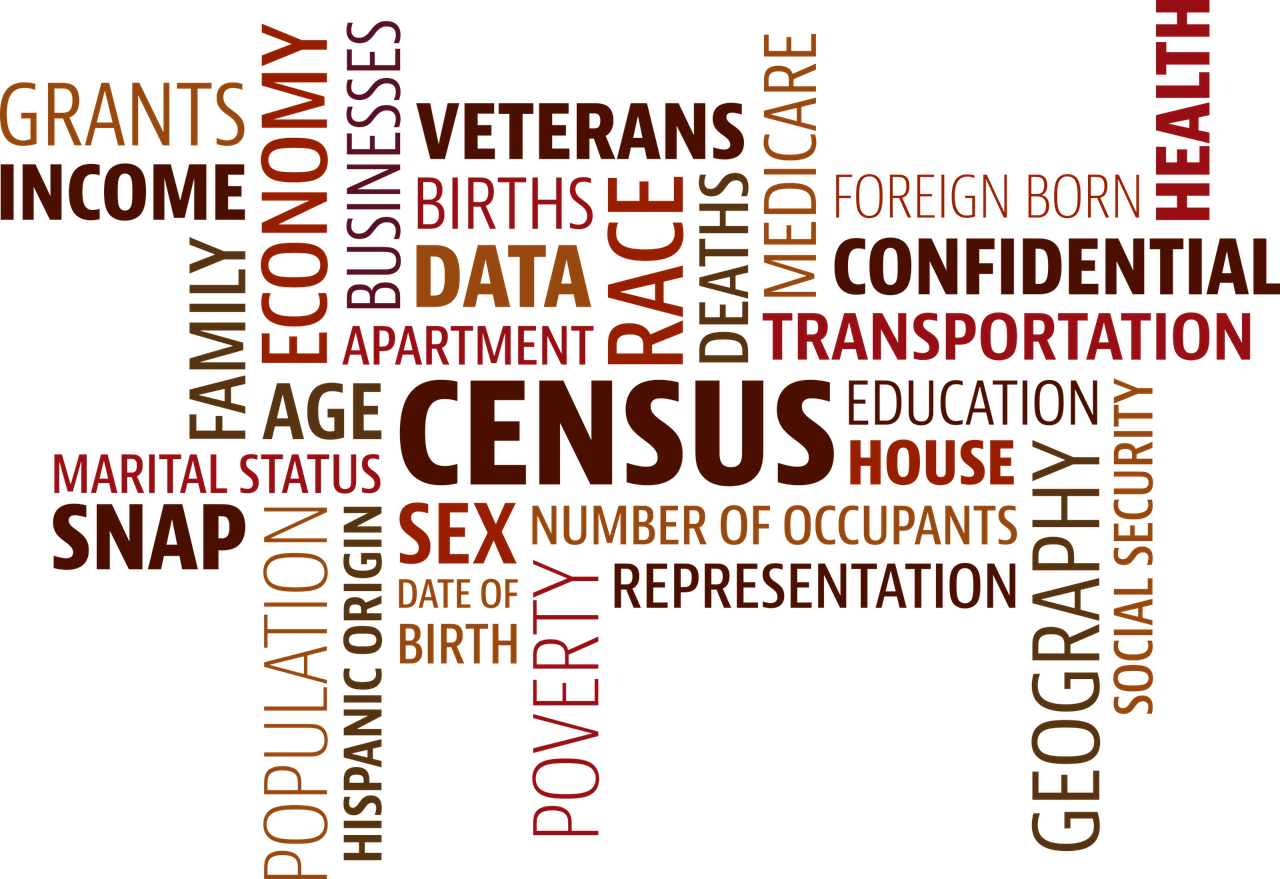
Census 2027 will be the 16th Census in India and the eighth after independence. It provides detailed primary data at village, town, and ward levels on parameters such as housing conditions, amenities and assets, demography, religion, scheduled caste and scheduled tribe populations, language, literacy and education, economic activity, migration, and fertility. The Census Act, 1948, and the Census Rules, 1990, provide the legal framework for the exercise.
– global bihari bureau