UN’s Gaza Lifeline: Hope in Rations, Peril in Prices
In the shattered corridors of Gaza, where the air still carries the acrid tang of rubble and despair, a tentative ceasefire that took hold on October 11, 2025, has cracked open a narrow window for humanitarian relief, allowing the United Nations’ World Food Programme to ferry in over 6,700 metric tonnes of food—enough to sustain nearly half a million people for two weeks amid the enclave’s unrelenting hunger crisis.
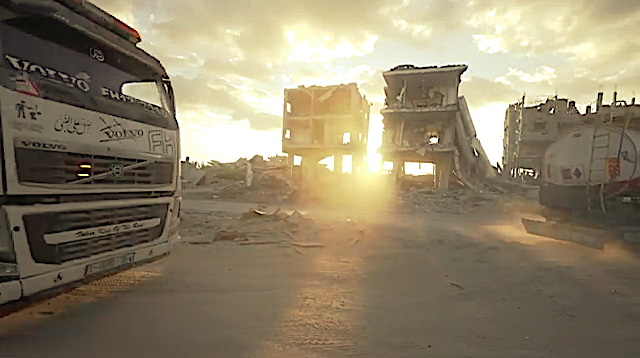
Yet, as trucks rumble through the scarred landscape under the fragile truce, the scale of the operation remains a shadow of what is desperately required, with daily deliveries averaging 750 tonnes— a marked improvement from pre-ceasefire levels, but far short of the 2,000 tonnes needed to stave off famine’s creeping advance. Abeer Etefa, the World Food Programme’s Senior Regional Communications Officer, conveyed this precarious balance during a briefing in Geneva on October 21, underscoring that without full access to all border crossings, the agency’s ambitions border on the unattainable.
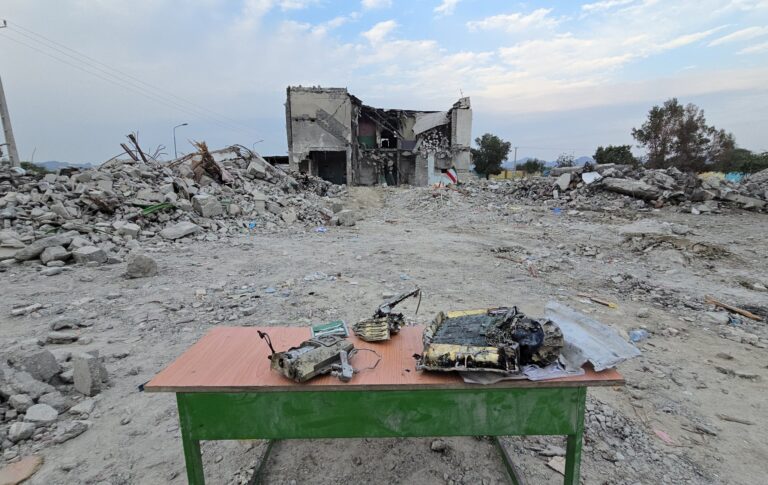
Only the southern gateways of Kerem Shalom and Kissufim stand ajar, their concrete flanks scarred by conflict, while vast swaths of destruction choke the routes northward, where famine was officially declared in August 2025. Etefa’s voice carried a quiet urgency as she pressed for the reopening of Erez and Zikim crossings in the north, essential arteries for large-scale convoys to pierce the isolation of Gaza City and beyond. “We’ve cleared the roads at scale into the north,” she noted, describing teams labouring to sweep away debris from border points to forge links to the city’s beleaguered heart, where emaciated families huddle in the ruins of what was once home. But without those northern portals swinging wide, the effort stalls at a fraction of its potential, leaving the most isolated souls on the brink.
Amid this logistical tangle, the World Food Programme claimed it is “methodically resurrecting” its distribution network, aiming to activate 145 points across the Gaza Strip to blanket the territory in aid. Already, 26 sites have flickered back to life, drawing crowds that swell with a mix of gratitude and raw need—lines forming in the dust-choked dawn, where mothers clutch infants and elders lean on makeshift canes, their faces etched with the quiet dignity of survival.
Etefa captured the scene’s poignancy: the response has been “really overwhelming,” with people arriving in throngs, praising the swift, respectful process that allows them to claim rations without the indignity of chaos. For the most vulnerable—women heading households alone, the frail elderly—these parcels arrive as threads of hope, staving off the gnawing void that has claimed so many.
Yet beneath the relief lies a deeper unease, a “cautious optimism” that tempers the tentative joy. Recipients portion out their allotments sparingly, tucking away canned goods and grains against the shadow of resumption, their trust in the ceasefire’s longevity as thin as the bread they ration.
“It is a fragile peace,” Etefa emphasised, her words echoing the collective exhale held across Gaza’s crowded shelters. Compounding the strain, market shelves may groan under sporadic stocks, but prices soar to extortionate heights, rendering bread and basics luxuries for those without aid’s buffer. “People can find food in the market, but it’s out of reach because it’s extremely expensive,” she cautioned, painting a picture of vendors hawking wilted produce at premiums born of scarcity and speculation.
To bridge this chasm, the World Food Programme has pivoted to digital payments, empowering 140,000 of the food-insecure to navigate local bazaars with vouchers that cut through the inflationary fog—a mechanism poised to double in reach over the coming weeks, injecting liquidity into veins long starved of it.
Still, Etefa reiterated the stark truth: humanitarian corridors alone cannot quench the enclave’s thirst. Commercial trucks must roll in unabated, swelling supplies to forge a complete nutritional bulwark against severe malnutrition. “Humanitarian aid will not be the only solution for dealing with severe malnutrition and having a complete food basket,” she explained, her plea a call for the ceasefire’s full embrace to unlock the enclave’s economic arteries.
As the October sun dips low over Gaza’s fractured horizon, Etefa’s conclusion rings with unyielding clarity: only a sustained truce can unleash the agency’s full might, transforming trickles into torrents of aid to reclaim lives from famine’s grasp in the north. In this sliver of pause amid prolonged torment, the stakes pulse with the rhythm of waiting crowds—lives hanging on the hinge of open borders and unbroken peace.
– global bihari bureau